What Are the Symptoms of Physiological Diseases in Flowers and Plants and How to Treat Them
Flowers and plants are something many people love to grow, but when they get sick, it is a real headache. What are the symptoms of physiological diseases in flowers and plants? What to do about physiological diseases in flowers and plants:
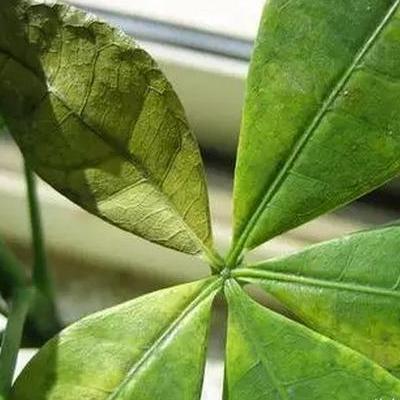
What are the symptoms of physiological diseases in flowers and plants:
The first is leaf discoloration. The leaf color becomes lighter, or turns yellow or white, or red, yellow or purple spots appear. If some nutrient elements are insufficient, it can very easily cause the leaves of the plant to discolor. For example, when the plant lacks iron, the new leaves will turn yellow; a lack of manganese will cause the mesophyll to turn yellow and form small yellow spots; a lack of phosphorus and potassium will also cause the leaves to lose green and wither.
The second is necrosis. Localized necrosis occurs on the plant, producing dead spots. For example, the most common symptoms produced by cold damage on flower plants are discoloration, necrosis and the appearance of spots on the surface; a lack of the nutrient element boron will cause the base of the young leaves to rot and become necrotic.
The third is leaf drop, flower drop and fruit drop. For example, drastic changes in temperature and drastic changes in light intensity can both cause leaf drop; a lack of the nutrient element phosphorus will cause premature leaf drop; a lack of phosphorus can also cause flower drop and bud drop; after flower bud differentiation, improper watering and soil that alternates between dry and wet can also easily cause bud drop and flower drop.
The fourth is dwarfing, leggy growth, small leaves or small fruit. For example, when the plant lacks the nutrient element magnesium, it will become dwarfed; when it lacks the nutrient element sulfur, the plant also becomes short and small, and the leaves become thin and long; when it lacks the nutrient element nitrogen, the leaves become smaller, but too much nitrogen will cause the plant to grow leggy; insufficient light will also cause the plant to grow leggy.
The fifth is wilting. For example, if the plant does not get enough water, it will wilt; on the contrary, if the potting soil becomes waterlogged, the plant roots lack oxygen, which affects respiration and also affects the roots' water uptake, and the plant will also wilt.
What to do about physiological diseases in flowers and plants:
1. If young leaves turn yellow, or the lower leaves curl, turn yellow and keep dropping off, the most common cause is overwatering. But it must be noted that nutrient deficiency can also easily make young leaves turn yellow. For example, iron deficiency often turns the leaves of flowers that like acidic soil yellow-white, or turns the mesophyll yellow while the veins remain green.
2. If the tips of young leaves scorch and wither, it is mostly caused by light that is too strong, or too little watering, or air that is too dry. And curled leaf edges are mostly caused by air that is excessively dry.
3. If the leaf edges of old leaves scorch and wither, it is often caused by too much fertilizer or improper watering.
4. If the leaves are thin and long, crisp and tender, with yellowing and scorched edges that then drop off, it is mostly caused by insufficient light, dry air, potting soil that is too wet, insufficient nutrients and other such reasons. This phenomenon is most obvious on white magnolia.
5. If brown spots or brown edges appear on the leaves, it is mostly caused by sunscald or drought. For example, in the north, this phenomenon is most likely to occur on the newly sprouted tender leaves of flowers such as white magnolia, Milan and Michelia that have just been moved outdoors in spring.
6. If leaves suddenly drop, it is mainly caused by temperatures that swing high and low, or too great a change in light. For example, some foliage plants grown in brighter light, when suddenly moved indoors to a spot with insufficient light, will quickly drop their leaves. Some flowers such as clivia and Michelia are prone to leaf drop when the day-night temperature difference is too great.
That is all for the symptoms of physiological diseases in flowers and plants and how to handle them. Now you have learned something new, right!
What are the symptoms of physiological diseases in flowers and plants
During the growth and development of flowers and plants, diseases caused by unsuitable environmental conditions are called physiological diseases. Diseases caused by insufficient nutrients are mainly dwarfing and chlorosis. If the plant lacks nitrogen, its height growth cannot be ensured; because the soil is too alkaline (in the north) or too acidic (in the south), the plant becomes weak and the leaves scorch; a lack of phosphorus, a lack of potassium and other trace elements will also cause flowers to lose green and wither. During the growth and development of flowers and plants, a lack of water will cause withering and stunted growth; too much water will obstruct root respiration and cause root rot, and the plant will also turn yellow and wither. Therefore, when leaves turn yellow and wilt, a careful diagnosis should be made before taking measures.
Jasmine in the early morning
Soil and air temperatures that are too high or too low can also cause physiological diseases. When the soil temperature is too high, the affected parts soften, dry up and shrink, and flowers with shallow roots and thin epidermis are especially susceptible. Sunscald caused by excessively strong light forms water-soaked lesions on the sun-facing side of the stem base, which slowly split open. Diseases caused by low temperatures (such as frost injury and freezing injury) generally occur easily in early spring when the temperature difference between day and night is large. On affected flowers, the leaves, flowers and fruit turn yellow, dry up and drop off, or the leaves and young stems curl up; and flowers native to frost-free regions, such as white orchid and jasmine, die as soon as they are hit by frost. In addition, harmful exhaust gases emitted by factories, cars and so on will also cause leaves to discolor and drop off.
What is the difference between disease signs and symptoms in flowers and plants? What physiological diseases do flowers and plants have
After flowers and plants become diseased, the abnormal characteristics and phenomena produced by their external morphology are usually called the symptoms of the disease. For many diseases caused by harmful organisms (pathogens), their symptoms can further be divided into disease signs and disease symptoms. Disease signs refer to the pathological change characteristics that occur in the external organs of the diseased plant itself, while disease symptoms refer to one or some structural characteristics of the pathogen produced on the diseased parts of the plant. For example, in camellia anthracnose, the nearly circular lesions formed on the leaves with a gray-white center and purple-brown edges are the disease signs, while the small black spots formed on the lesions in the later stage of the disease are the disease symptoms.
During the growth and development of flowers and plants, diseases caused by unsuitable environmental conditions are called physiological diseases. Diseases caused by insufficient nutrients are mainly dwarfing and chlorosis. If the plant lacks nitrogen, its height growth cannot be ensured; because the soil is too alkaline (in the north) or too acidic (in the south), the plant becomes weak and the leaves scorch; a lack of phosphorus, a lack of potassium and other trace elements will also cause flowers to lose green and wither. During the growth and development of flowers and plants, a lack of water will cause withering and stunted growth; too much water will obstruct root respiration and cause root rot, and the plant will also turn yellow and wither. Therefore, when leaves wilt, a careful diagnosis should be made before taking measures.
Soil and air temperatures that are too high or too low can also cause physiological diseases. When the soil temperature is too high, the affected parts soften, dry up and shrink, and flowers with shallow roots and thin epidermis are especially susceptible. Sunscald caused by excessively strong light forms water-soaked lesions on the sun-facing side of the stem base, which slowly split open.
Diseases caused by low temperatures (such as frost injury and freezing injury) generally occur easily in early spring when the temperature difference between day and night is large. On affected flowers, the leaves, flowers and fruit turn yellow, dry up and drop off, or the leaves and young stems curl up; and flowers native to frost-free regions, such as white orchid and jasmine, die as soon as they are hit by frost.
In addition, harmful exhaust gases emitted by factories, cars and so on will also cause leaves to discolor and drop off. The experience content is for reference only. If you need to solve a specific problem (especially in fields such as law and medicine), it is recommended that you next consult professionals in the relevant field in detail.