Bioplastics do not use petroleum and degrade very quickly. Is there a solution to the plastic waste crisis?
Plastic waste crisis? What can be done? Bioplastics do not use petroleum and degrade very quickly. Currently, a new study from Tel Aviv University in Israel describes the process technology for making bioplastic polymers derived from microorganisms that feed on seaweed. They are biodegradable, can produce zero toxic waste, and can be recycled into organic waste.
This invention is the result of a collaboration between Dr. Alexander Golberg of the Porter School of Environmental and Earth Sciences at Tel Aviv University and Professor Michael Gozin of the School of Chemistry, and the research report was published in the recent issue of the journal Bioresource Technology.
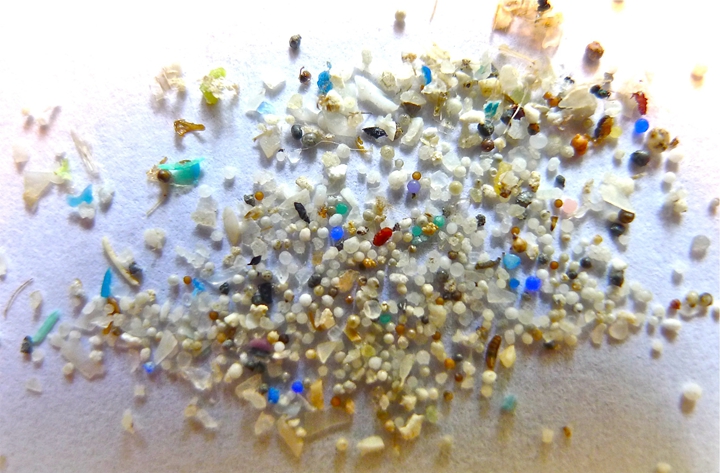
Dr. Golberg said: "Plastic takes hundreds of years to decompose, so bottles, packaging and plastic bags form a 'plastic continent' in the ocean, endangering marine life and polluting the marine environment. At the same time, plastic is also a petroleum product, and making plastic is an industrial manufacturing process whose by-products release chemical pollutants."
According to United Nations data, plastic currently accounts for 90% of all pollutants in the ocean, yet there is almost no environmentally friendly alternative. Dr. Golberg said: "Plastic takes hundreds of years to decompose, so bottles, packaging and plastic bags form a 'plastic continent' in the ocean, endangering marine life and polluting the marine environment. At the same time, plastic is also a petroleum product, and making plastic is an industrial manufacturing process whose by-products release chemical pollutants."
One solution to the plastic waste crisis is bioplastics, which do not use petroleum and degrade very quickly. But bioplastics also have an environmental cost: cultivating these plants or bacteria requires fertile soil and fresh water, and Israel does not have such resources.
Dr. Golberg stated that our latest technology makes "plastic" from marine microorganisms, and these microorganisms can be fully recycled into organic waste. The researchers used microorganisms that feed on seaweed to produce a bioplastic polymer——polyhydroxyalkanoate (PHA). Our raw material is multicellular seaweed cultivated in the ocean. This seaweed is eaten by single-celled microorganisms, which also grow in salt water, producing a polymer used to make bioplastic.
Factories already commercially mass-produce this kind of bioplastic, but their factories require agricultural land and fresh water. We propose that this processing method will enable countries with scarce fresh water resources, such as Israel, China and India, to shift from the petroleum plastics industry to the biodegradable plastics industry.
According to Dr. Golberg's view, this latest research will completely transform the world's efforts to clean up the ocean, without affecting arable land and without using fresh water. Plastic from fossil sources is one of the most serious pollution factors in the ocean, and we have proven that it is possible to produce bioplastic entirely based on marine resources, and this process is friendly to both the environment and residents.
He concluded that we are conducting basic research in order to find the bacteria and algae most suitable for producing bioplastic polymers with different properties.