-
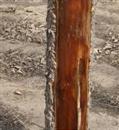
Symptom Identification and Control Methods of Poplar Canker
Distribution and Damage Poplar canker, also known as poplar rot disease. It occurs in all poplar cultivation areas in China, but is mainly distributed in the Northeast, Northwest, North China and other regions. It is a common and frequently occurring disease of poplars in parks, green spaces, street trees and nurseries, often causing mass death of street trees, and newly transplanted poplars are especially severely affected. Symptoms...
-
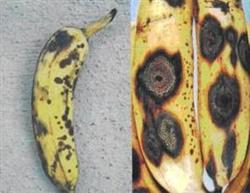
Symptom Identification and Control Methods of Banana Anthracnose
What is banana anthracnose and how to control it? Please give an introduction. Anthracnose is a common disease in banana-producing areas and also the most important post-harvest disease in banana-producing areas worldwide. On yellow-ripe fruit peel, plum-blossom-spot-like lesions appear, and the lesions rapidly expand into dark brown patches, causing the whole fruit to turn black and rot. When the fruit stalk is affected, it causes the banana fingers to drop...
-
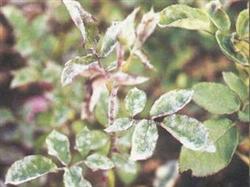
Identification and Control of Common Rose Diseases
Roses have four common diseases, such as: powdery mildew, black spot, crown gall, and stem canker. Although other diseases such as downy mildew, rust, and anthracnose are occasionally found, they are not as serious as the first four. Their symptoms and control methods are described below: Rose black spot. Black spot is caused by the fungus Diplocarpon rosae of the family Dermateaceae...
-
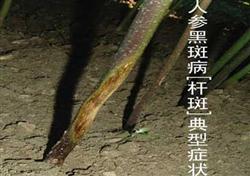
Identification Methods and Control Measures for Ginseng Diseases
Ginseng damping-off disease 1. Symptoms. Caused by infection with Rhizoctonia solani and Fusarium species. It prevents young seedlings from emerging, or after emergence attacks the stem of the seedling at the boundary between dry and moist soil 3-5 cm below the soil surface. The affected part is light yellowish-brown, gradually turning dark yellowish-brown, forming sunken elongated lesions that penetrate deep into the stem and cause rot; after enlargement the diseased...
-
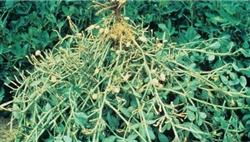
What Causes Potassium Deficiency in Peanuts? Detailed Guide to Symptom Identification and Remedies
What is potassium deficiency in peanuts? How should it be prevented and treated? Please advise: when peanuts are deficient in potassium, the edges of the lower leaves turn yellow, the mesophyll between the veins becomes chlorotic, and eventually the leaves become necrotic. The necrotic leaf spots first appear at the leaf margins and gradually spread inward until the leaves drop, with the top leaves affected last. Before symptoms appear, the plant's growth slows down....
-
What soil classifications exist in China? A detailed introduction to the main soil types
What soil classifications exist in China?
-
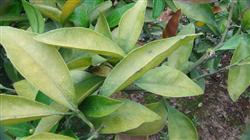
Identification of Citrus Magnesium Deficiency Symptoms and Remedies
What is citrus magnesium deficiency? How to remedy it? Please advise. Citrus magnesium deficiency can occur year-round, but it occurs most often in late summer or autumn when the fruit is nearly ripe, and the old leaves and leaves near the fruit show obvious magnesium deficiency symptoms first. This is because when citrus is deficient in magnesium, the magnesium present in the older organ tissues is often transferred...
-
Identification and Control Techniques for Diseases and Pests of Atractylodes macrocephala
Southern blight: Also known as "white sugar rot", it damages the rhizome of Atractylodes macrocephala, with no obvious symptoms on the aboveground parts in the early stage of the disease. Later, as temperature and humidity rise, the mycelium penetrates through the soil surface, and white mycelium densely covers the rhizome and the surrounding soil surface. The top shoots of the affected plants wilt, droop, and eventually the entire plant dies. Disease characteristics: soil and planting material are...
-
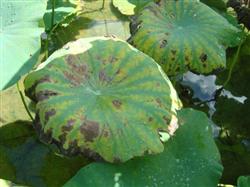
Symptom Identification and Control Methods of Lotus Root Black Spot Disease
What is lotus root black spot disease? How to control it? Please explain: in the early stage of lotus root black spot disease, needle-tip-sized yellowish-brown small spots appear; in the later stage, the entire leaf is covered with lesions that have concentric rings, causing half or the whole leaf to dry up. Control: increase the application of phosphorus and potassium fertilizers, and avoid over-applying nitrogen fertilizer. In winter, thoroughly remove diseased and residual leaves from the field and burn them in a centralized manner; in the early stage of the disease, remove...
-
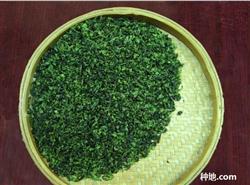
What Types of Tea Are There? A Complete Guide to Common Tea Classification
What types of tea are there? Please advise. There are many varieties of tea, with China having the most. At present, there is no unified method for classifying tea; different standards yield different classification methods. Among them, one method based on processing method and quality, using the degree of tea polyphenol oxidation as the order, divides primarily processed tea into green tea, yellow tea, dark tea, oolong tea, ...
条件筛选