-
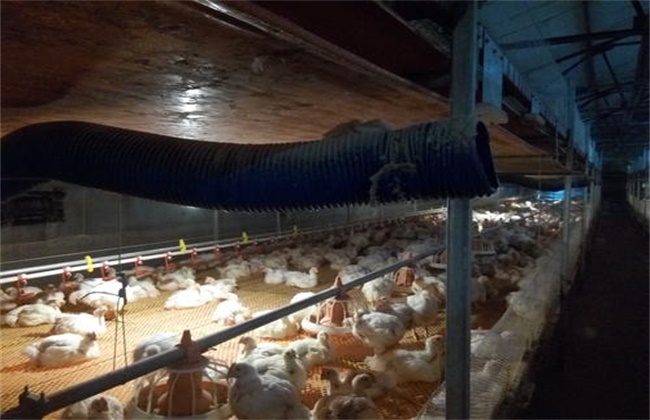
What are the ventilation and dehumidification methods for chicken coops in winter?
Ventilation and dehumidification methods for chicken coops in winter
-
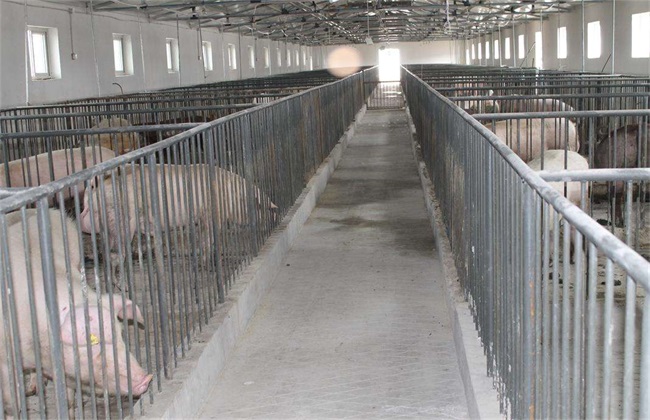
How to solve dampness in pig pens in winter? These dehumidification methods are very practical
What to do about dampness in pig pens in winter
-
-
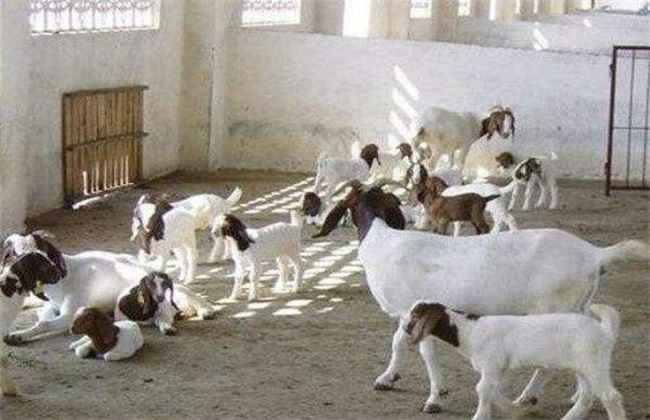
What to Do If a Sheep Has Heatstroke? Symptom Identification and Rescue Measures
Sheep Heatstroke Symptoms and Rescue Measures
-

Tokay Gecko Breeding Base Detailed Explanation: Precautions, Sex Identification, and Whether It Is Illegal
What precautions are there for breeding tokay geckos?
-

-
Identification Methods and Management Measures for Vicious Does
Every year during the fawning and nursing period of does, at some deer farms, due to inadequate management techniques, incidents of vicious does harming newborn fawns and keepers occur from time to time. Some newborn fawns are pawed to death, and some keepers or technicians are pawed and injured. According to a survey, a vicious Sika deer doe once pawed to death 5 newborn fawns and injured 2 young and strong keepers in the first few days after giving birth. The harm caused by vicious does has led to a marked increase in fawn mortality and should be given full attention. 1 Identification
-
Identification and Control of Gyrodactylus, a Skin Fluke of Fish
Signs of infection In severe infections, fish will rub against hard objects, and the skin develops opaque patches that may become inflamed. Less severe infections may not show any easily noticeable symptoms. Affected fish Most species of freshwater and marine fish can be infected by Gyrodactylus and related species. Details of the infection Skin flukes are flukes up to 0.8 mm in length. They attach themselves to the fish's skin (occasionally to the gills) by means of a sucker with two central hooks, and feed on skin cells. At low
-
Pigeon Disease Identification Tips: A Detailed Guide to the Three Observations and Nine Checks Method
To detect sick pigeons early and prevent the spread of disease, keepers must carefully observe the flock 3 times a day: morning, noon and evening. The "three observations and nine checks" method for identifying pigeon diseases described below is simple and easy to apply, and is provided for reference. Three observations: First, observe the mental state: healthy pigeons are lively, excited and alert; sick pigeons are listless, reluctant to move and slow to react. Second, observe eating and drinking: healthy pigeons eat and drink normally; sick pigeons eat less or stop eating altogether, either refuse to drink or drink excessively, and do not feed their squabs. Third, observe the color and shape of droppings: healthy pigeon droppings are gray, yellowish-brown or grayish-black, shaped
-
Classification of Koi Varieties and Detailed Explanation of Their Main Characteristics
Through continuous crossbreeding, improvement and selective breeding, koi have now been developed into more than one hundred varieties. Japanese koi are mainly divided into 13 categories according to their colors, markings and scale distribution. 1. Kohaku koi: the base color of the body surface is silvery white, inlaid with changing red markings. 2. Taisho Sanke koi: the base color of the fish body is snow white, with crimson and jet-black markings emerging. 3. Utsuri koi: the fish body has black as its base color, with triangular markings that are either white, red or yellow. 4. Showa Sanke koi: the fish body
条件筛选