-
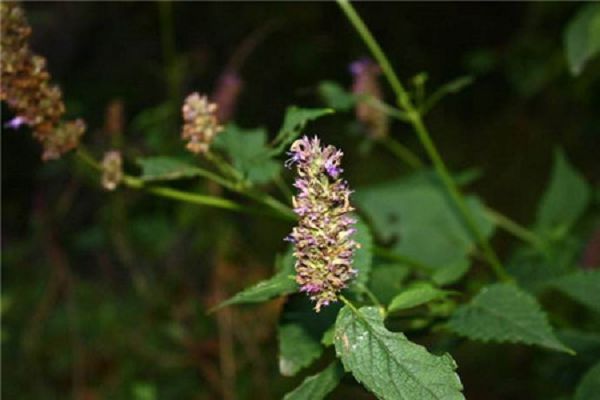
Identification of Common Pests of Agastache rugosa and Detailed Explanation of Control Methods
Pests of Agastache rugosa and Their Control
-

How to identify the Christmas kalanchoe? Master these few identification points
How to identify the Christmas kalanchoe
-
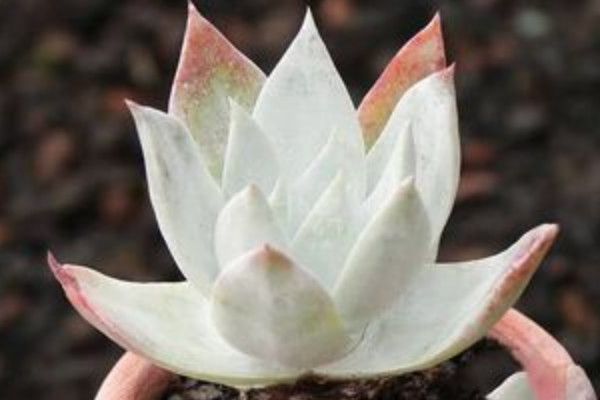
How to Identify Snow Mountain Succulent? A Detailed Guide to Identification Methods
How to Identify Snow Mountain Succulent
-
-

What classifications do tulips have? Understanding tulip variety classification in one article
There are many varieties of tulips, about ten thousand or more. Two main classification methods are introduced here: 1. Classification by flower shape variation. They can be divided into cup type: the corolla is cup-shaped, with representative varieties including Cottage tulip, Darwin tulip, and Darwin hybrid tulip; bowl type: the corolla is shallow dish-shaped and bell-shaped, with many small flowers, and the representative variety is water lily tulip; lily type: the petal tips are gradually pointed, and the corolla resembles a lily flower, with the representative variety being lily tulip; ball type: the corolla is spherical, and these are the double-flowered types among Cottage tulips and Darwin hybrid tulips. 2. Classification by early or late flowering.
-
Identification and Control Methods for Tulip Gray Mold
Tulip, also known as Dutch lotus and grass musk, originated in the high mountain regions of Iran and Turkey, developing characteristics adapted to wet and cold winters and dry and hot summers. It prefers warm, humid conditions, with cool and slightly dry summers, and is suited to sandy loam rich in humus with good drainage. Tulip is an important spring bulbous flower; short and sturdy varieties are suitable for spring flower beds, bright and eye-catching. Tall-stemmed varieties are suitable for cut flowers or for configuring flower borders, and can also be planted in clusters at the edge of lawns. Medium and short varieties are suitable for potted cultivation, embellishing indoor environments and adding a joyful atmosphere.
-
Symptom Identification and Control Methods for Tulip Mosaic Virus
[Alias] Tulip soft rot. [Distribution] Tulip mosaic virus, like tulip breaking virus, is widely distributed. Sometimes the virus causes a mixed infection together with tulip breaking virus, resulting in severe mosaic. [Symptoms] Yellow stripes or fine speckled spots appear on tulip leaves, while dark spots form on the petals; in severe cases the leaves rot. [Pathogen] The pathogen causing tulip mosaic virus is cucumber mosaic virus (CMV), with spherical particles.
-
Symptom Identification and Control Methods of Crown Gall Disease in Cherry Blossoms
Cherry blossoms are distributed in China's Liaoning, Hebei, Anhui, Jiangxi, Zhejiang, Jiangsu and Guizhou; they are also widely distributed in Japan and Korea. They prefer light and deep, fertile, well-drained soil, and have weak resistance to smoke and dust, harmful gases and sea breeze. They have a certain degree of cold tolerance, a relatively shallow root system, and are easy to cultivate. Cherry blossoms bloom profusely in spring and are very beautiful. They are suitable for planting on hillsides, in courtyards, in front of buildings and beside garden paths. This disease is a common and serious disease of cherry blossoms, occurring widely in areas where cherry blossoms have been introduced. Zhengzhou, Chengdu, Hangzhou, Jinan, Wu
-
Identification and Control Methods for Common Cherry Blossom Diseases and Pests
There are many types of cherry blossom diseases and pests. The common ones are described below: Perforation-type brown spot disease occurs in May and June. Small purplish-brown spots appear on the leaves, then gradually expand into circles. After the diseased spots dry and shrink, they become small holes. The pathogen mostly overwinters on diseased branches and leaves. The optimum temperature for its development is 25°C to 28°C. It spreads by wind. In rainy seasons, infection and disease development are favored. When the tree is weak, drainage is poor, and ventilation and light penetration are poor, the disease occurs severely. Control methods: (1) Strengthen cultivation management, carry out reasonable pruning, and pay attention to cutting off diseased shoots, timely clearing
-
Identification and Control Methods for Geranium Alternaria Leaf Spot
Geranium Alternaria leaf spot is a common leaf disease of geranium. The pathogen has a wide host range and can attack many woody and herbaceous ornamental flowers, seriously affecting their ornamental value. Symptoms: In the early stage of the disease, chlorotic spots appear on infected leaves, and the lesions gradually expand to form larger circular spots. The spots are dark brown with concentric rings. In the late stage of the disease, a dark green mold layer appears on the spots, which consists of the conidia of the pathogen. Pathogen: The pathogen is Alternaria tenuis Nees, belonging to
条件筛选