-
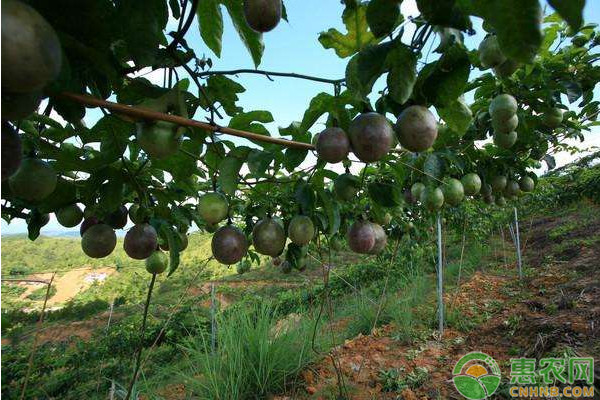
Passion Fruit Viral Disease: Symptom Identification and Control Measures
Passion Fruit Viral Disease Symptoms and Control Measures
-
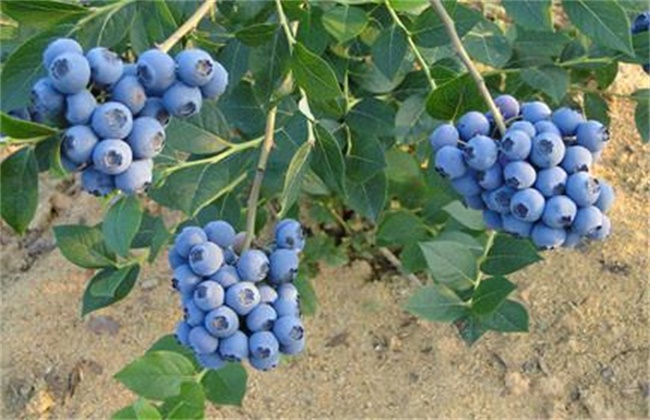
Detailed Explanation of Key Technical Points for Blueberry Soil Acidification
Blueberry Soil Acidification Techniques
-
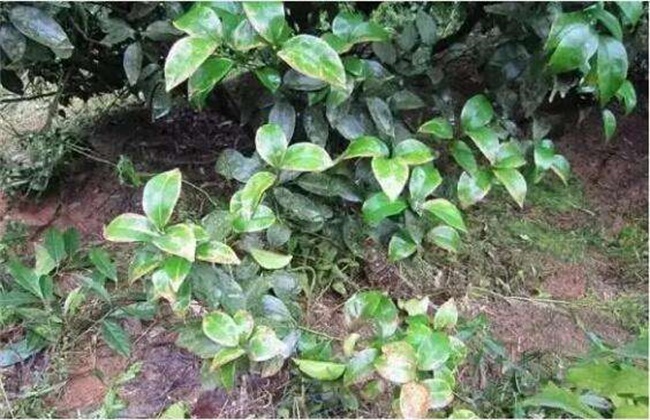
What to Do About Herbicide Damage in Fruit Trees? Symptom Identification and Remedial Measures
Fruit Tree Herbicide Damage Symptoms and Remedial Measures
-

Identification of Phytotoxicity Symptoms in Pomegranate and Remedial Measures
Pomegranate Phytotoxicity Symptoms and Remedial Measures
-

Symptom Identification and Control Methods of Peach Shot Hole Disease
Peach shot hole disease is the most common leaf disease on peach trees. It occurs in peach-producing regions worldwide. It includes three types: bacterial shot hole, mildew spot shot hole, and brown spot shot hole. Among them, bacterial shot hole is the most common and is widely distributed in peach-producing regions across the country. Infection of peach trees by this disease can cause a large number of leaves to develop holes and drop off, branches and shoot tips to die, severely weakening tree vigor, affecting flower bud differentiation, and causing huge losses. In addition to harming peach trees, the three types of shot hole disease also harm stone fruit trees such as plum, apricot, and cherry. [Symptoms] Detailed
-
Identification and Control Methods of the Russian Olive Psyllid
Scientific name Trioza magnisetosa Log. Homoptera, Psyllidae. Hosts: Russian olive (Elaeagnus angustifolia), jujube. Damage characteristics: adults and nymphs pierce and suck the sap of young buds, tender twigs and leaves; infested young buds often die, infested leaves mostly curl toward the underside, and in severe cases the twigs and shoot tips die, weakening the tree's vigor, with heavy flower and fruit drop. Morphological characteristics: adult body length 2.5-3.4 mm, dark green to yellowish brown. Compound eyes large, protruding, reddish brown. Antennae filiform, 10 segments, the terminal 2 segments black
-
Detailed Introduction to the Certification Information for the Silver White Apricot Variety
Variety origin: A local variety from Yanbian, selected and improved through selective breeding, with stable traits, propagated year by year as the main apricot variety cultivated in the Yanbian area. Characteristics: The tree crown is semi-circular, with an open tree posture. The fruit is large and uniform, with an average fruit weight of 49.8 grams. The skin is white-yellow, and the flesh is yellow-white, juicy, with a sweet-sour taste. It has strong adaptability and is relatively cold-resistant. Productivity: Generally bears fruit 3 years after planting, enters full production at 9 years, and a mature large tree yields 130-200 kg per tree, with no obvious alternate bearing. Cultivation points: Choose a site with a high groundwater table and good drainage.
-
Symptom Identification and Control Methods for Peach Leaf Curl
Peach leaf curl is a common disease in spring, mainly affecting ornamental peach, cherry, apricot, plum and others. 1. Pathogen: The disease is caused by fungi of the class Taphrinomycetes in the phylum Ascomycota. 2. Symptoms: It mainly affects leaves, and in severe cases can also affect flowers, young fruit and tender shoots. After leafing out in spring, infected plants show shrivelled, rippled leaves with the leaf tip and margins curling backwards and the leaf surface uneven. As the leaves grow, the leaf colour gradually changes from yellow-green to purplish-red, the mesophyll thickens and becomes brittle, and the unevenness increases. In late spring and early summer, the leaf surface develops
-
Identification and Control Methods for the Carambola Fruit Borer Moth
The carambola fruit borer moth is commonly known as the red-line worm. Its larvae occur in large numbers during the flowering period and invade the small flowers to feed on the stamens. The peak occurrence period is usually from late June to early August, and the damage is most severe in extremely hot weather. All the damaged small flowers drop off, often causing crop failure. During the summer full-bloom period, trichlorfon 1000x solution can be sprayed continuously every 5 to 7 days to kill the pests.
-
Symptom Identification and Control Methods of Peach Gummosis
Peach gummosis is a disease commonly occurring on peach trees today, and it can be severe; especially in peach orchards with extensive management and weakened tree vigor, the incidence rate of affected trees can reach over 90%. This disease severely weakens tree vigor, affects yield and quality, and in severe cases leads to dead branches and dead trees, threatening the production and development of peach trees. It is also one of the most troublesome diseases for fruit growers. I. Causes of the disease. There are two causes of peach gummosis: one is non-infectious pathogens, such as mechanical injury, damage from pests and diseases, frost injury, freezing injury and other wounds
条件筛选