-
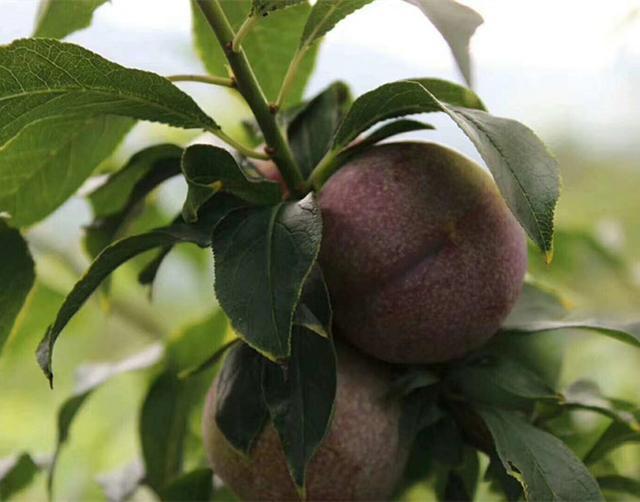
Symptoms and Integrated Control Measures of Plum Root Nodule Disease
Symptoms and Integrated Control Measures of Plum Root Nodule Disease Fund projects: Sichuan Province 13th Five-Year Breeding Research Funding Project (2016NYZ0034); Sichuan Province 12th Five-Year Breeding Research Funding Project (2011NZ0098-8). 1 Symptoms Plum root nodule disease...
-
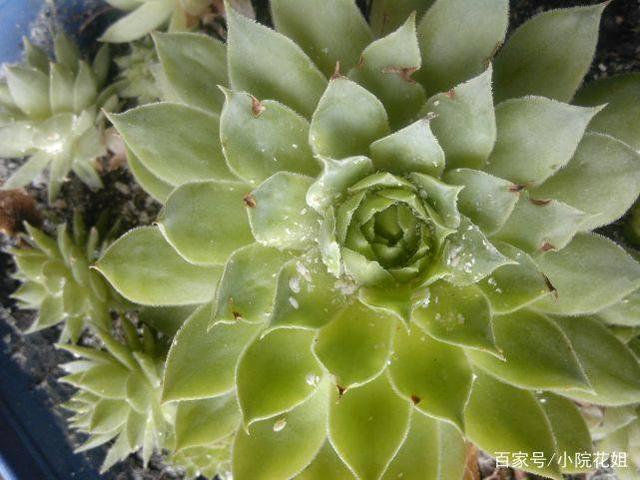
The complete guide to pest control for potted plants: easily solve your flower and plant pest troubles
Once summer arrives, as temperatures rise, plants easily attract pests. Not only do the flowers fail to grow well, but as a flower-growing enthusiast you also get very anxious, with pests flying all over the house, which is very distressing. Your first reaction is to go buy insecticide. Today, learn a few tricks with me...
-
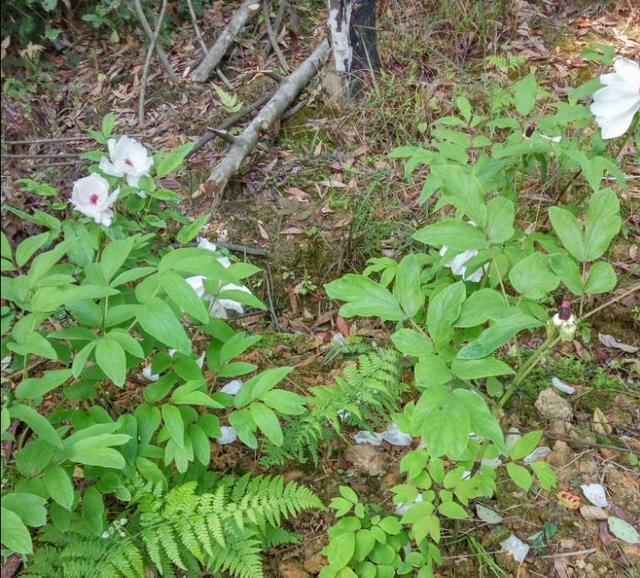
Overview of Medicinal Resources of Moutan Cortex and Pest Control Techniques
Medicinal resources of Moutan Cortex, pest control. Due to the influence of environmental conditions, combined with its fleshy and sweet roots, the tree peony (moutan) is susceptible to damage from both above-ground and below-ground pests. 1. Above-ground pests (1) Scale insects: The whole body is orange-red or tangerine-red, with two generations per year. Females often cluster on leaf stalks or stems to suck sap, causing leaves to turn yellow, twigs to wither, and plant vigor to weaken. When pests are found, the affected branches and leaves can be pruned and burned; during the larval hatching period, 1000-1500 times diluted dichlorvos or omethoate can be sprayed. To ensure the quality of medicinal materials, pesticides should be used with caution; during the dormant period or before sprouting in early spring, spraying branches and trunks with 3-5.5 Be° lime-sulfur mixture has a good control effect.
-
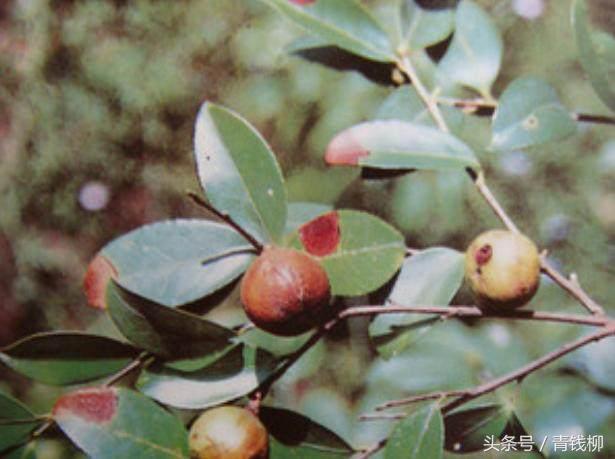
Detailed Explanation of Major Pests and Diseases of Camellia oleifera and Their Control Techniques
Major Pests and Diseases of Camellia oleifera and Their Control Techniques 1 Major Pests and Diseases of Camellia oleifera During the cultivation of Camellia oleifera, there are many types of pests and diseases. The main diseases include anthracnose, sooty mold, soft rot, bacterial wilt and other diseases, and the main pests include tea silkworm,...
-
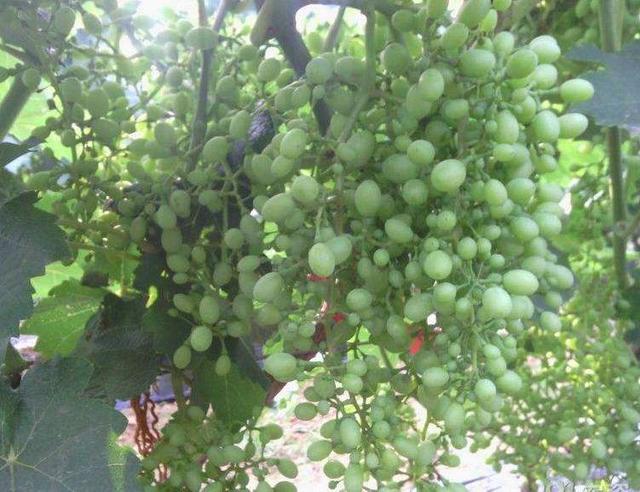
Causes and Control Methods of Grape Berry Size Irregularity
Occurrence and Control of Grape Berry Size Irregularity In grape cultivation techniques, uneven berry size is a long-standing difficult problem. It occurs in large and small vineyards both domestically and abroad, and to date it has not been well improved. Uneven berry size is mainly manifested in incon...
-
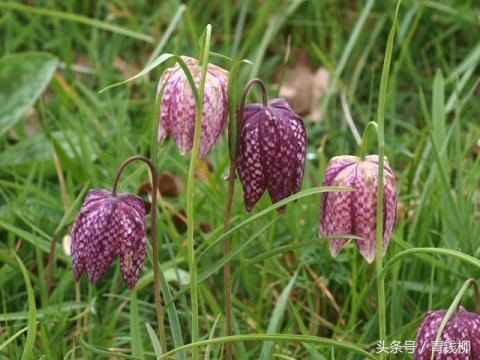
What are the pest and disease control measures for Fritillaria ussuriensis
Pest and disease control measures for Fritillaria ussuriensis 1 Disease control 1. 1 Sclerotinia rot Sclerotinia rot, also known as black rot, is the most serious underground disease of Fritillaria ussuriensis, damaging the bulbs. When the scale leaves of the bulb are affected, black spots appear, and the tissue beneath the spots turns gray; in severe cases the entire...
-
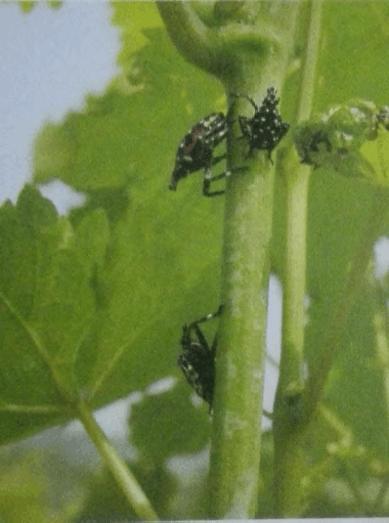
What to Do About Spotted Lanternfly Damaging Grapevines? Detailed Control Methods
Damage and Control of Spotted Lanternfly on Grapevines The spotted lanternfly (Lycorma delicatula), also known as the Ailanthus lanternfly or spotted wax cicada, belongs to the family Fulgoridae of the order Homoptera. It has a wide distribution range, being found in Liaoning, Shandong, Henan, Shanxi, Shaanxi, Gansu and other provinces. Its hosts...
-

Don't throw away kitchen scraps - use them to grow flowers and skip buying fertilizer; your plants will grow so wildly you can't control them
Still buying flower fertilizer? Today Huahua will show you how to make your own enzyme flower fertilizer from kitchen scraps - simple, easy and money-saving!
-

-
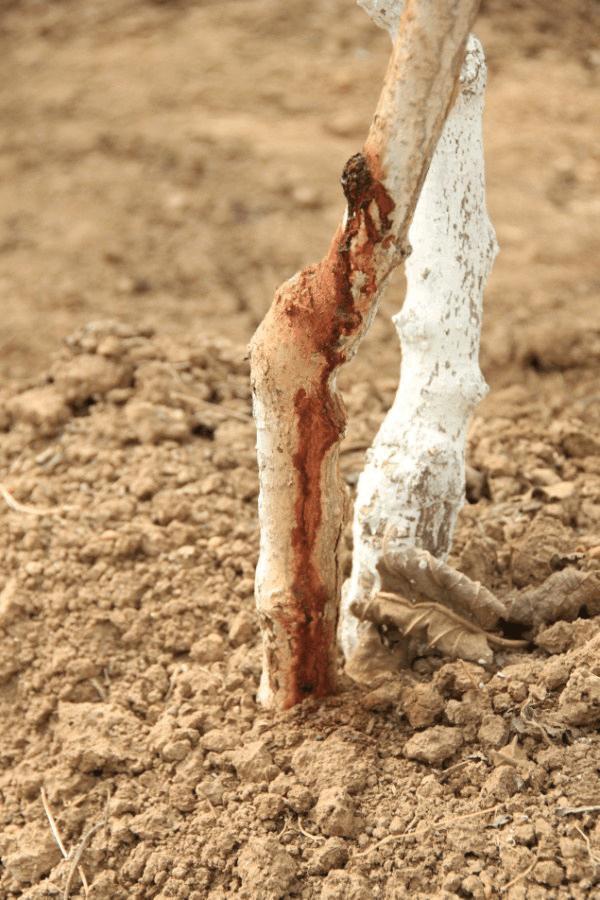
Chemical control techniques for three major diseases and pests including kiwifruit bacterial canker
Chemical control techniques for three major diseases and pests including kiwifruit bacterial canker target the three common major diseases and pests on kiwifruit in southwestern Henan - bacterial canker (Figures 1-3), brown spot (Figure 4) and white peach scale (Figure 5). Based on their respective disease occurrence patterns...
条件筛选