Causes, Symptoms and Control Methods of Sorghum Sheath Blight
What causes sorghum sheath blight? What are its symptoms? How should it be controlled? Let's take a look together.
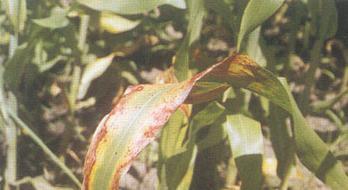
Symptoms: It mainly damages the leaves and the base of the stem. On the leaf sheaths near the ground level, small white-green water-soaked lesions first appear, then expand into oval shapes, with brown margins and lighter centers. Lesions on the leaves appear grayish-green or grayish-white and cloud-like, and most of the lesions merge into a tiger-stripe pattern, causing the entire leaf to wither and die.
Pathogen ecology: The pathogen survives in plant residues or soil, and the sclerotia can spread through irrigation water or wind. After the sclerotia germinate, the hyphae invade the stem of the host. The host is more susceptible when its growth vigor declines, and the disease is most likely to occur under warm and rainy climatic conditions. Poor ventilation and drainage in the field increase the severity of the disease.
Control methods:
16.5% Miewen emulsion: 0.4-0.5 liters; before the rainy season arrives or before heading, when lesions first appear, apply the first treatment, then apply once or twice more at 14-day intervals. The pesticide should be sprayed on the affected parts at the base of the stem.
6.5% ammonium iron arsenate solution: 0.4-0.5 liters
8% calcium methylarsonate wettable powder: 0.6-0.8 kg