Corn borer damage symptoms, identification and control methods
The corn borer is a common pest that mainly damages crops such as sorghum and corn, hindering crop growth and worsening yield and quality problems. So how should it be controlled?
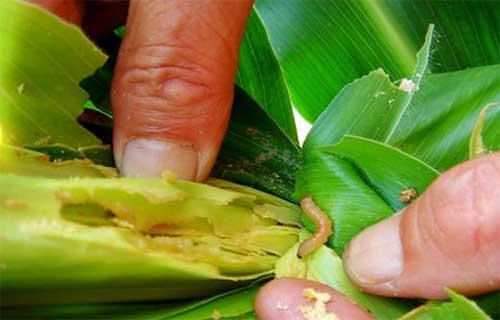
Living habits: This insect is the main pest during the middle and late growth stages of sorghum, but the damage is lighter than that to corn. It has 7~8 generations per year, and one generation takes 23~166 days. The egg stage is 3~8 days, the larval stage is 13~134 days, the prepupal stage is 1~2 days, and the pupal stage is 4~30 days. After passing through 5~6 instars, the larvae make a thin cocoon and pupate at the damaged site. However, after sorghum heads, larvae that cannot bore into the stem because the tissue has hardened will temporarily live at the base of the leaf midrib, but do not pupate due to malnutrition. Adults are 12~15 mm long, light reddish brown to yellowish brown. Larvae are 20~30 mm long, light yellow, with many body tubercles and bristles on each body segment.
Damaged parts and characteristics: Adults lay egg masses on the underside of leaves. After hatching, the larvae damage tender leaves and male flowers and bore into stems, flower stalks and ears, with many frass pellets expelled from the bore holes. The parts above the bore holes on damaged plants dry up or bend and break in the wind.
Control methods: Before sorghum heads, when damage is found in the whorl leaves, spray organophosphorus agents such as pirimiphos-methyl, or carbamate agents such as carbofuran, to control it.