Red Imported Fire Ant Control Plans, and Symptoms and Treatment After Being Stung
The red imported fire ant is an extremely harmful pest. After this ant stings a person, it may even cause death, so this pest is a very formidable one. After being stung, we must treat it promptly and must not ignore it or leave the sting untreated. So how should it be controlled? How should a sting be treated, and what are the symptoms after a sting?
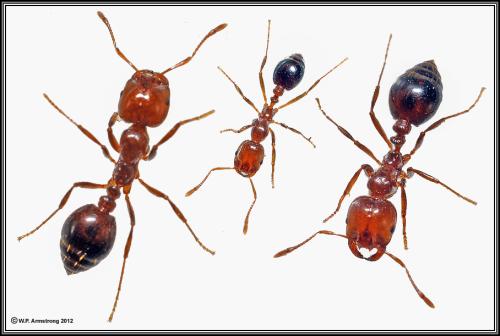
Control methods: handle matters in accordance with the "Standard Operating Procedures for Red Imported Fire Ant Scouting, Control, and Planting and Earthwork Movement Control at Construction Bases." To achieve the short-term goal (lifting movement controls), use granular and bait formulations alternately, and scout 15 days after each control treatment. If no red imported fire ants are found, promptly record the area, location, manpower, chemicals used, and photographs after each control treatment in detail in a report, and submit it to the Bureau of Animal and Plant Health Inspection and Quarantine, Council of Agriculture, Executive Yuan for re-inspection and to lift movement controls (as shown in Figure 5).
After movement controls are lifted, in accordance with the "Red Imported Fire Ant Standard Operating Procedures," scout the effectiveness of red imported fire ant control once a month using the bait trapping method. If no red imported fire ants are found for 6 consecutive months, submit a report to the Bureau of Animal and Plant Health Inspection and Quarantine, Council of Agriculture, Executive Yuan for re-inspection (handled by the National Red Imported Fire Ant Control Center after August of year 100 of the Republic of China calendar), and lift epidemic area controls.
After a sting, localized pustules often appear, producing an intense burning sensation like a bee sting, and the skin will also develop a red rash, itching, and blisters; if bitten by a large number of red imported fire ants, excessive accumulation of venom can lead to serious complications such as local tissue necrosis and hemolysis; some people with sensitive constitutions will, due to the water-soluble toxic proteins in the venom, develop allergic reactions such as hives, swelling of the face, eyes, and throat, chest pain, respiratory arrest, difficulty speaking or slurred speech, paralysis, and heart disease, and in severe cases cause anaphylactic shock and death.
How should a red imported fire ant sting be treated? If symptoms are mild, clean the area with clean water or soapy water and apply ice to the affected area yourself, or under a doctor's instructions use antihistamines, steroid ointments, and other medications for treatment. If blisters or pustules are present, do not squeeze or break them, so as to avoid secondary bacterial infection leading to cellulitis or leaving scarred wounds.