-

Introduction to the Latest Control Methods for Sheath Blight of Wild Rice Stem
Sheath blight of wild rice stem occurs in growing areas across the country. As its planting area continues to increase, the disease has become increasingly severe. Sheath blight damages the photosynthesis of wild rice stem, causing weak root absorption, and in severe cases can also cause the wild rice stem to rot and lodge. So how should wild rice stem sheath blight be controlled?
-
What are the symptoms of corn banded leaf and sheath blight?
Corn banded leaf and sheath blight is a disease that occurs commonly nationwide and whose damage is becoming increasingly serious. So what are the symptoms of corn banded leaf and sheath blight? Let us take a look together. 1. Main symptoms It mainly damages the leaf sheath, and can also damage the stalk, and in severe cases causes the ear to be damaged.
-
What are the control methods for corn sheath blight?
According to reports, in the southern corn planting areas, the incidence rate in normal years is about 40%, reaching 70% in severe cases, and up to 100% in individual plots or varieties; the incidence rate is even higher in seed production fields, with the plant incidence rate in normal years above 50%, and there is a trend of worsening year by year. In Yunnan
-
Integrated Control Methods and Technical Key Points for Rice Sheath Blight in Wild Rice Stem
Wild rice stem (Zizania latifolia) is a unique aquatic vegetable of our country. Only our country and Vietnam cultivate wild rice stem as a vegetable worldwide. The ancients called wild rice stem "gu". Before the Tang Dynasty, wild rice stem was cultivated as a grain crop, and its seeds were called gu rice or diaohu, one of the "six grains" (rice, millet, broomcorn millet
-
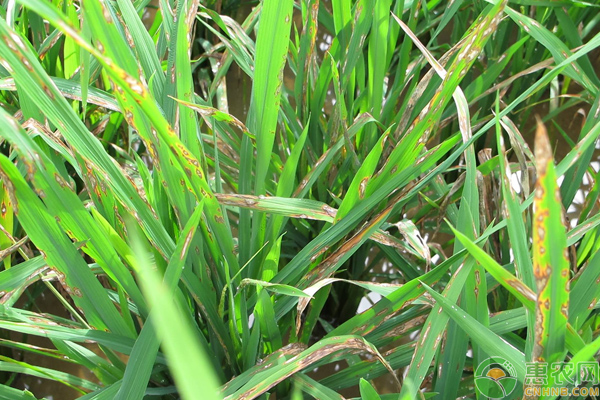
Causes and Control Methods of Rice Sheath Blight in Southern China
How to control rice sheath blight? Causes and control of rice sheath blight in southern China
-
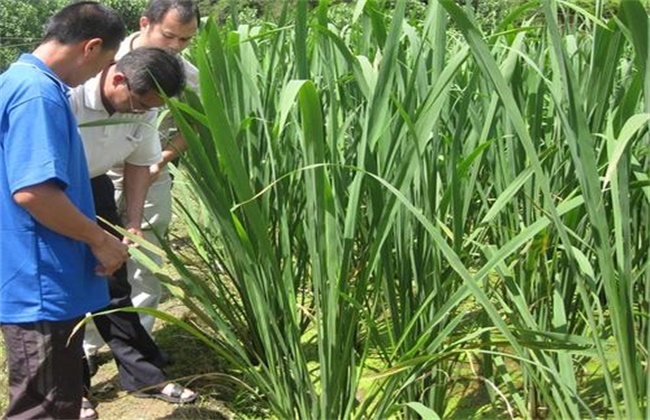
How to prevent and control sheath blight in water bamboo? A full analysis of practical methods
Control methods for sheath blight in water bamboo
-
Causes, Symptoms and Control Methods of Sorghum Sheath Blight
What causes sorghum sheath blight? What are its symptoms? How should it be controlled? Let's take a look together. Symptoms: It mainly damages the leaves and the base of the stem. On the leaf sheaths near the ground level, small white-green water-soaked lesions first appear, then expand into oval shapes, with brown margins and lighter centers. Lesions on the leaves appear grayish-green or grayish-white and cloud-like, and most of the lesions merge into a tiger-stripe pattern, causing the entire leaf to wither and die.
-
Four key passes must be secured in controlling rice sheath blight
In recent years, sheath blight has risen to become the most important disease of rice, and it has four major characteristics: First, it occurs over a wide area. Second, there are very few varieties resistant to sheath blight. Third, the degree of damage is increasingly serious, even causing the plants to break through the top and lodge. Fourth, it first develops on the lower part of the rice plants, making it easy to overlook and miss the favorable timing for control. In control strategy, strictly securing the four passes is the key. 1. The pass of salvaging sclerotia - sheath blight mainly overwinters in rice fields in the form of sclerotia, and overwintering sclerotia generally have 60%-70% able to germinate from winter and spring through to early rice transplanting. The vast majority of sclerotia are lighter than water and can float with the water for a long time. After the rice field is irrigated,
-
How to prevent rice sheath blight? Beware of high temperature and high humidity weather
Sheath blight, also known as banded leaf blight, has a great impact on the growth and development of rice. It not only weakens the absorption capacity of the root system, but also affects the photosynthesis of leaves, resulting in an increase in empty and shriveled grains, a decrease in 1000-grain weight and a decline in yield. Therefore, attention should be paid to the prevention and control of sheath blight in production. The following introduces the main symptoms, occurrence characteristics and control methods of this disease for reference. Main symptoms When rice leaf sheaths are infected, small dark green water-soaked spots with blurred edges appear near the water surface, later expanding into oval or cloud-like shapes, with the center grayish green
-
Occurrence of wheat and barley sheath blight and control recommendations
According to surveys by the forecasting stations of each county (city, district), wheat and barley sheath blight has now occurred widely and will enter the peak damage stage. All localities must seize the appropriate timing and promptly organize the broad masses of farmers to carry out control. I. Occurrence situation and trend analysis The characteristics of wheat and barley sheath blight occurrence this year: First, the occurrence period is normal. Due to the low temperatures last winter and this spring, wheat seedlings grew weakly, which was unfavorable for the occurrence of wheat and barley sheath blight. The earliest detection in the whole city was in Xiangshui in early mid-February, and large areas were detected in late February and early March. Second, the general incidence rate and
条件筛选