-
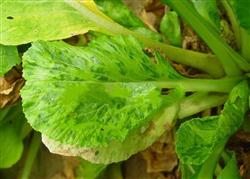
What are the control methods for rapeseed viral disease?
How to control rapeseed viral disease? Please advise. Rapeseed viral disease symptoms occur in all rapeseed production areas nationwide, with especially severe incidence in the winter rapeseed areas of North China, Southwest China, and Central China. The symptoms of this disease vary slightly depending on the type of rapeseed. Brassica rapa and Brassica juncea mainly develop chlorosis along both sides of the leaf veins, with leaves showing a yellow-green mosaic pattern, and the veins appearing translucent; in severe cases, the leaves shrink, curl, or become deformed, and diseased plants are markedly stunted, mostly dying before or at the bolting stage. Plants with mild infection and late onset may still bolt, but the flowering stems are curved or stunted, flowers and pods are densely packed, pods are shrunken and thin, and maturity is advanced. Brassica napus, by contrast, develops systemic necrotic spots, with symptoms appearing early and conspicuously on old leaves, then spreading to newly emerged leaves. At the initial stage of infection, needle-tip-sized transparent spots appear, which later expand into nearly round 2-4 mm yellow spots with dark brown necrotic centers, and the necrotic spots are surrounded by an oil-soaked appearance. On the stems and bolts, purplish-black spindle-shaped to elongated lesions appear, spreading from the middle-lower part toward the branches and fruit stalks; in the later stage, the stem lesions mostly split longitudinally or transversely, and the flowers and pods tend to wilt or die. The pods develop black necrotic spots and are mostly deformed.
-
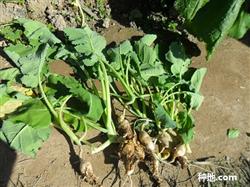
Control Methods and Technical Key Points for Clubroot of Rapeseed
How to control clubroot of rapeseed? Please explain. Clubroot of rapeseed occurs on the roots. The pathogen generally invades through root hairs or young roots, forming galls on the main root or lateral roots. It is commonly known as "big head disease." In the early stage, the surface is smooth and white; later it turns brown, rough and cracked. It is easily infected by other pathogens and rots...
-
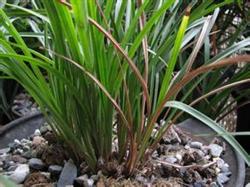
How to prevent and control anthracnose in orchids? Detailed explanation of prevention and control methods
Anthracnose is one of the main diseases in orchid cultivation. It occurs relatively commonly in China and is a serious disease harming orchids. Besides orchids, it also harms poinsettia, jasmine, glossy privet, finger citron, hibiscus, and others. 1. Symptom characteristics: In the early stage of the disease, small reddish-brown spots appear on the leaves, which later expand into large grayish-brown to grayish-white spots...
-
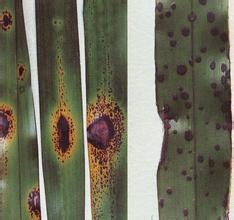
What are the symptoms of orchid round leaf spot? The prevention and control methods explained in one article
Leaf spot is a common leaf disease of orchids, found in Fujian, Jiangsu, Zhejiang, Shanghai, Nanjing and other places. Symptoms: The disease mainly affects the leaves. In the early stage, small brown spots appear on the leaves and rapidly expand into round patches, relatively wide, with a light brown center, and yellow small protrusions growing on both the front and back sides, occurring on the upper...
-
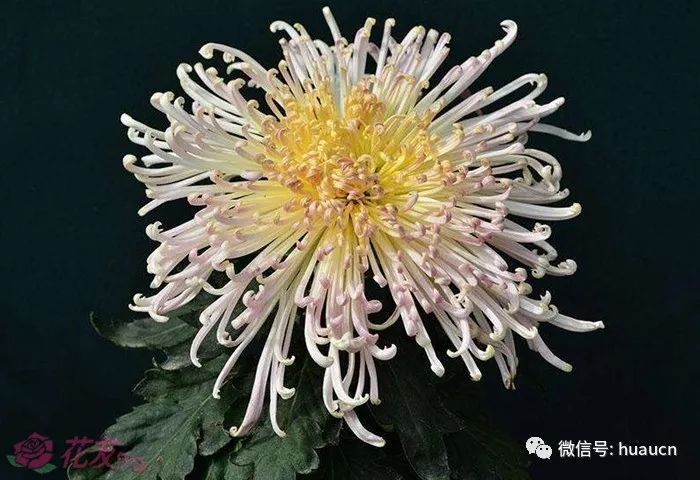
Chrysanthemums, jasmine, and Chinese roses easily attract three kinds of pests: flower pest and disease prevention and control methods
Many people like to grow some flowers and plants indoors, which both greets the environment and cultivates their interests. But flowers and plants are not only somewhat delicate to grow, they are also very easily "favored" by small insects, which is annoying and also quite frustrating. Let me introduce to flower lovers several kinds of flower...
-
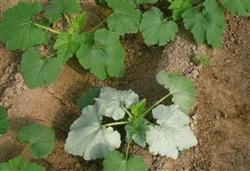
What are the control methods for silverleaf disease in zucchini?
How do you control silverleaf disease in zucchini? What does silverleaf disease look like? Affected zucchini plants show weak growth, a shorter plant type, drooping leaves, wrinkled leaves at the growing point, and a semi-dormant state, with shortened internodes on the upper stem; the stems, young leaves, and petioles of functional leaves become chlorotic, leaf chlorophyll content decreases, and leaves initially appe...
-
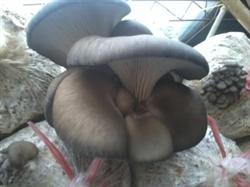
What types of deformed oyster mushrooms are there? Detailed explanation of prevention and control methods
Deformed mushrooms are a relatively common physiological disorder in oyster mushroom production, seriously affecting the yield and quality of oyster mushrooms, and even causing them to completely lose their commercial value. This disorder is mainly caused by improper management, and in a few cases by spawn degeneration, mutation, or viral infection. The main types of deformed mushrooms include: 1. Tall-stemmed mushroom, with a small cap...
-
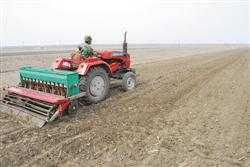
A Detailed Guide to Pest and Disease Control Methods for Autumn-Sown Wheat
How do you prevent pests and diseases in autumn-sown wheat? Please provide guidance. The autumn sowing period is the foundation and key to doing a good job of wheat pest and disease control. We hope farmers will seize this favorable opportunity of autumn sowing, adopt effective measures, and do a good job of controlling underground pests, wheat powdery mildew and other pests and diseases, striving to eliminate wheat pests, diseases and weeds in the bud...
-
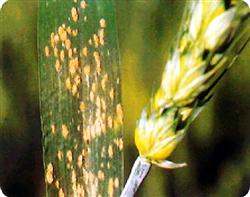
Detailed Explanation of Wheat Pest and Disease Control Methods
How to control wheat pests and diseases? Please provide guidance and an introduction. For controlling wheat pests and diseases, you can refer to the following control methods: Stripe rust: In early spring, adopt the strategy of "detect one spot, treat a whole patch," carrying pesticide during scouting and blocking the center of infection; in spring, combine spot treatment with general treatment, and for severely affected fields and fields with susceptible varieties, carry out a second spray treatment depending on the condition...
-
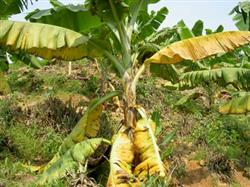
Detailed Explanation of Common Banana Diseases and Control Methods
What diseases affect bananas and how are they controlled? Please give an introduction. For what diseases affect bananas and how are they controlled, you can refer to the following: Bunchy top disease: Banana bunchy top disease, commonly known as "jiaogong", "xiacao" or "congcao", is a serious worldwide banana viral disease. The typical symptom is that on the underside of diseased leaves, along the lateral veins and the base of the petiole or midrib, some...
条件筛选