-
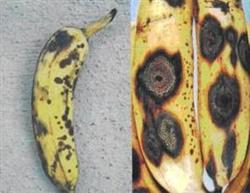
Symptom Identification and Control Methods of Banana Anthracnose
What is banana anthracnose and how to control it? Please give an introduction. Anthracnose is a common disease in banana-producing areas and also the most important post-harvest disease in banana-producing areas worldwide. On yellow-ripe fruit peel, plum-blossom-spot-like lesions appear, and the lesions rapidly expand into dark brown patches, causing the whole fruit to turn black and rot. When the fruit stalk is affected, it causes the banana fingers to drop...
-
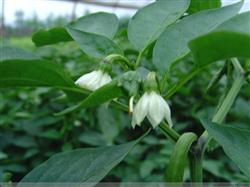
How to prevent sweet pepper flower drop? Detailed summer control methods
How to prevent sweet pepper flower drop in summer? Please explain the methods. Sweet pepper flower drop in summer is mainly caused by the following factors: 1. Temperature reasons. If the temperature is too high (above 35°C), incomplete flower organ development or dried-up stigmas can lead to poor pollination and fertilization, causing flower and fruit drop. In addition, high night temperatures in summer make plants prone to excessive vegetative growth,...
-
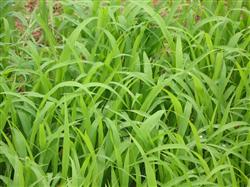
Main Pests and Diseases in Sorghum Cultivation and Their Control Methods
Which pests and diseases should be mainly controlled when growing sorghum? Please provide guidance. The following pests and diseases should be controlled when growing sorghum: 1. Sorghum smut. Sorghum smut is a common disease on sorghum in Liaoning. It includes head smut, loose smut and covered smut. Symptom identification: head smut shows obvious symptoms after heading. Diseased plants are generally shorter. Before heading, the lower part of the diseased head swells, the husk leaves are tight, and there is a white club-shaped mass inside. After heading, a large amount of black powder is scattered.
-
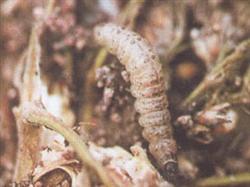
How to Control Sorghum Pests? A Detailed Guide to Practical Methods
How to control sorghum pests? Here is a guide: The main sorghum pests are aphids, tobacco cutworms (Spodoptera litura), stem borers, and scarab beetles. Aphids and scarab beetles occur at the seedling stage; tobacco cutworms and stem borers cause damage at the heading stage and dough stage, and can be controlled with pesticides such as chlorpyrifos, BT, and Lvjing. Sorghum is extremely sensitive to organophosphorus pesticides such as trichlorfon, dichlorvos, fenitrothion...
-
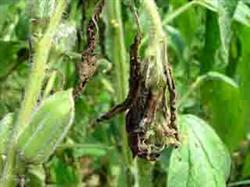
How to prevent and control bacterial wilt in white sesame? These methods you need to master
How to prevent and control bacterial wilt in white sesame? Please advise. Bacterial wilt in white sesame is very common and has a serious impact on its yield and quality. Its disease characteristics and control techniques are as follows: 1. Conditions for disease onset. Bacterial wilt in white sesame is mainly caused by excessive soil moisture in the field. The pathogen overwinters in the soil with diseased plant residues...
-
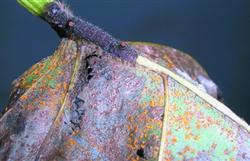
How to prevent and control poplar canker? These methods you need to know
Poplar canker: also known as poplar rot disease. Symptoms occur on the trunk and branches, manifesting as two types: dry rot and dead branch. The dry rot type mainly occurs on the main trunk, large branches and branch forks. In the early stage, the diseased part appears as dark brown water-soaked spots, the cortical tissue rots and softens. After the diseased spots lose water, the bark shrinks and sinks, sometimes cracking...
-
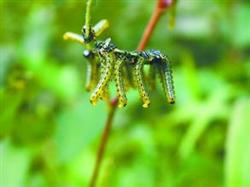
Integrated Control Techniques and Methods for Poplar Leaf-eating Pests
Poplar is deeply favored by people for its excellent characteristics such as fast growth, suitability for a wide range of growing sites, and outstanding economic benefits. However, as the planted area of poplar gradually expands, especially with the increasing development of pure stands, outbreaks of poplar leaf-eating pests continue to occur, so integrated control of poplar leaf-eating pests is very...
-
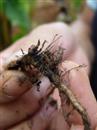
Detailed Guide to Identifying Symptoms of Banana Root Nematode Disease and Control Methods
What is banana root nematode disease and how is it controlled? Please provide an introduction. The introduction to banana root nematode disease and control methods is as follows: (1) Symptoms. Root nematodes infect the roots of banana. Affected large roots appear short and swollen, with cracking, and galls sometimes form on small roots. Sometimes they are destroyed before developing into large roots; when swollen, cutting the tissue open reveals brown dotted substances. Because of nematode damage, the roots become infected by pathogenic bacteria, causing root rot and leaving few effective roots. Above ground, the main symptoms are stunted plants, yellow leaves or clustered leaves, loose bunches, loss of green at leaf margins, many dead leaves, and wavy, crinkled leaves. In plants that have emerged from the bud, old leaves look scorched, withering from the leaf margin to the midrib. In severe cases, the fruit bunch cannot bend down normally, and the fruit is thin, small, shriveled and hard; sometimes the symptoms resemble bunchy top disease, except that the petiole has no "green veins".
-
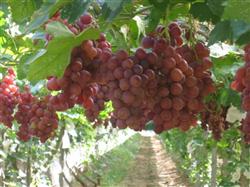
Red Globe grape summer disease control methods
How to control diseases in Red Globe grape cultivation in summer? Please provide an introduction to the control methods. Grape downy mildew, white rot, anthracnose and many other diseases have their peak incidence period in summer. The occurrence of downy mildew can cause grape leaf drop, withered branches, rotten fruit and even death. Therefore, in the rainy summer season, management of the Red Globe grape orchard should be strengthened, and...
-
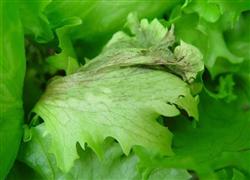
What are the control methods for lettuce brown spot disease?
How do you control lettuce brown spot disease? Please explain the control methods. Lettuce brown spot disease mainly damages the leaves. It generally spreads, expands, and infects through seed-borne disease and wind and rain. When plant growth is poor or excessive nitrogen fertilizer causes overly vigorous growth, the occurrence of the disease will worsen. There are two types of symptoms: one is initially water-soaked...
条件筛选