Chrysanthemums, jasmine, and Chinese roses easily attract three kinds of pests: flower pest and disease prevention and control methods
Many people like to grow some flowers and plants indoors, which both greens the environment and cultivates their interests. But flowers and plants are not only somewhat delicate to grow, they are also very easily "favored" by small insects, which is annoying and also quite frustrating. Let me introduce to flower lovers several common pests of flowers and plants and their prevention and control methods.
I. Chrysanthemums easily attract aphids
Aphids, mostly green and black, are good at flying, with tubular cornicles, shaped like fleas. They relatively prefer flowers such as chrysanthemums, redbud, roses, and Chinese roses. They often gather in clusters on the tender shoots, flowers, and undersides of leaves of flowers, sucking sap, causing leaves to shrivel and affecting flowering. Generally, the pest damage begins to be more obvious in mid-April.
Countermeasures: When scattered aphids appear, brush them off with a brush dipped in water, and promptly dispose of the brushed-off aphids to prevent spreading. You can also add 40 grams of tobacco powder to 1 kg of water, soak for 48 hours, then filter to obtain the stock solution; when using, dilute with 1 kg of water, add 2-3 grams of laundry powder or a little soap solution, stir well, and spray the plants. If using physical methods, you can use cardboard or plastic boards coated with yellow color and glue to trap and kill aphids; or use silver-white tin foil to reflect light and drive aphids away.
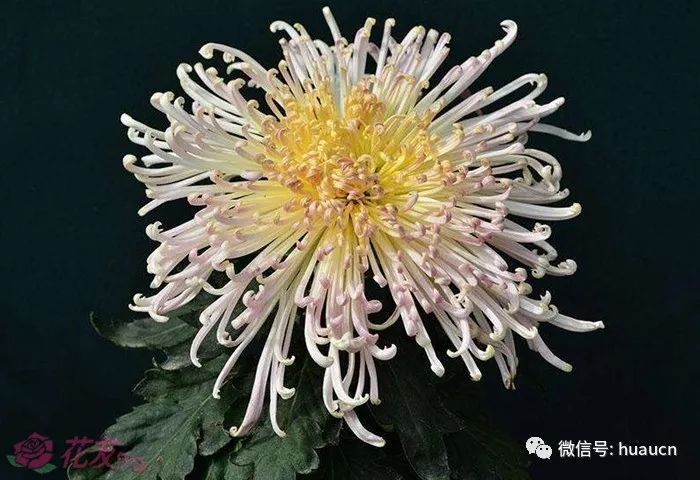
Chrysanthemum
II. Keep Chinese roses away from yellow stinging moths
The larvae of the yellow stinging moth have a yellow-brown head, a yellow-green thorax, and a pair of spines on each side of the dorsal line of each segment. They are mostly seen on camellias, redbud, Chinese roses, Xifu crabapple, etc., and often eat all the leaves of flowers.
Countermeasures: The yellow stinging moth relatively likes light and has strong phototaxis, so you can place a lamp beside the flowers to trap and kill them.
In addition, the brown, rather pointed small insects that often "attack" plants such as anthurium and cyclamen, and the mosquito-like flies that are fond of poinsettias and pansies, can be sprayed and treated in the early stage with garlic juice, chili water, Sichuan pepper water, etc.
Jasmine
III. Jasmine: beware of red spider mites
Red spider mites are obovate, with flat backs and abdomens, and are red, dark red, orange-red, etc. Orchids, jasmine, kumquats, etc. are relatively prone to red spider mites. They often hide on the undersides of leaves and on flower buds of flowers, causing leaves to lose greenness and wither, and flower buds to shrivel; in severe cases, the plant will wither and die. Generally, the pest damage is relatively serious in June and July.
Countermeasures: Add water 10 times the amount to orange peel and soak for a day and a night, then filter and spray the plants, once a day, for 3 consecutive days. In addition, you can also light a coil of mosquito repellent incense and place it in the flower pot, then tie a plastic bag tightly around the pot, and after 1 hour of fumigation, both eggs and adults can be killed. This is a good method that is both economical and quick to take effect.
Chinese rose
IV. Principles for preventing pests and diseases of home-grown flowers
1. Do not bring flowers with pests or diseases home, and when propagating, also choose pest- and disease-free flower materials;
2. Improve and strengthen cultivation management so that flowers grow robustly and their ability to resist pests and diseases is increased;
3. Improve the environmental conditions in which flowers are placed, such as improving ventilation and light transmission conditions, which can reduce the occurrence of pests such as scale insects and aphids and diseases such as rust and powdery mildew; loosening the soil and controlling watering can reduce the occurrence of root rot;
4. Observe frequently, and once home-grown flowers are found to have insects or signs of disease infection, deal with them as early as possible;
5. As far as possible, use manual methods to remove diseases and pests, or spray self-made "agents" to treat diseases and kill insects, for example: use a soft-bristled brush to brush off scale insects attached to the branches and leaves of the plant; prune and remove withered or diseased branches, leaves, and flowers, and also promptly remove fallen dead branches and leaves to prevent pathogens from breeding and spreading;
6. For flowers that are prone to disease or frequently get disease, use fungicides preventively before the routine disease season.
V. Simple prevention and control methods for pests and diseases of household flowers
1. Ants
When ants appear in the flower pot, soak cigarette butts and cut tobacco in hot water for one or two days; when the water turns dark brown, sprinkle part of the water on the flower stems and leaves, and after diluting the rest, pour it into the flower pot, and the ants can be eliminated.
2. Snails
Pour beer into a shallow dish and place it around the pot or on the pot soil; snails, smelling the aroma of the liquor, will crawl into the dish by themselves and drown.
3. Rice vinegar
Rice vinegar is rich in organic acids and has a relatively good inhibitory effect on pathogens. Spray a rice vinegar solution diluted 150-200 times on the leaf surface, once about every 7 days, for 3-4 consecutive sprays, and it can prevent and control powdery mildew, black spot, downy mildew, etc.
Pests and diseases: Nine major effects of aspirin in growing flowers, such as rooting cuttings, preventing pests and diseases, and preserving freshness; it can be called a universal flower medicine
4. Mosquito repellent incense
After lighting the mosquito repellent incense, hang it on the plant with insects, cover the plant and flower pot with a plastic bag, and after 1 hour the pests are killed.
5. Essential balm
Essential balm diluted 400-500 times with water can kill aphids.
6. Mothballs
After crushing mothballs and placing them in the pot soil, they can prevent and control underground pests.
7. Baking soda solution
Take 5 grams of baking soda (also known as sodium bicarbonate), first dissolve it with a small amount of alcohol, then add about 1000 grams of water to make a 0.5% concentration solution, and spray the plants to prevent and control powdery mildew.
·END·
An interactive platform for flower growing, flower planting, and green plant enthusiasts to exchange, chat, and show off. An online home for sharing flower cultivation methods and household flower growing tips. A fresh flower subscription platform.
Fresh flowers: hyacinth|stock|plum blossom| carnation|camellia|kalanchoe|jasmine|gardenia|peach blossom|balloon flower|osmanthus|calla lily|lily|forget-me-not|clivia|apricot blossom|honeysuckle|milan|peony|sunflower|chrysanthemum|serissa|crown of thorns|tulip|narcissus
Green plants: poinsettia|money tree|pothos|spider plant|Alocasia|lucky bamboo|asparagus fern|aloe|ivy|anthurium|Monstera|bougainvillea|silk tree|peace lily|schefflera|boxwood|sago palm|rubber plant|maidenhair fern|snake plant|
huau.cn
……
Search the public account "Flower Friends" or "huaucn" to get the latest information
Business cooperation, promotion. Please contact WeChat private account:ihuaucn