-
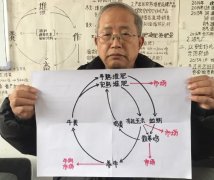
Five Ways to Turn Household Waste into Farm Compost
Everyone knows kitchen scraps are easily transformed into plant food through the alchemy of composting. Less known are all the other items you can divert from your household waste stream and use in the garden. Stale beer = bait On the morning after the party, no
-
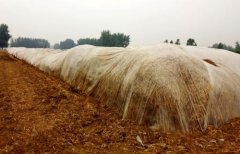
Want to make your own organic fertilizer? First, understand what compost is and its benefits
Organic compost. Composting is an ancient technique that requires no precise calculations or advanced skills. With just a little effort, you can both solve the environmental problem of waste and improve soil fertility, making it well worth adopting. Let's take a look together below. Farm compost
-
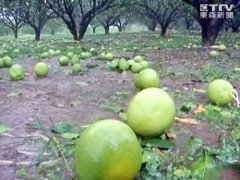
How to Make Compost from Fallen Pomelo Fruit? A Detailed Guide to Production and Use
Production and Use of Compost from Fallen Pomelo Fruit. In the Hualien area, the transition between summer and autumn is often hit by typhoons, and July and August coincide with the ripening period of pomelo fruit, which frequently causes enormous losses for fruit growers. Large quantities of fallen pomelo fruit have a huge impact on the environmental hygiene of orchards; they not only
-
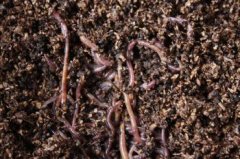
Vermicomposting: Turning Kitchen Waste into Fertilizer
Research and development of vermicomposting: How do you handle your household kitchen waste? If you always throw it away, that is actually a waste. Below we will teach you how to use kitchen waste to make valuable fertilizer. Kitchen waste is produced by every household every day
-

The Benefits and Uses of Compost Explained in Detail
What benefits does applying compost have? Do you know? The nutrient source for organic crops, under the principle that chemical fertilizers must not be used, depends entirely on the use of compost. As for the nutrient content of compost, aside from itself containing a small amount of readily available inorganic nutrients, most
-

What does microbial composting do? Understanding microbially enhanced composting in one article
Microbial oil cake compost: Organic farming places special emphasis on cultivating the soil so that it can maintain the highest productive capacity, and one of the best ways to improve the soil is to apply organic fertilizers such as microbial oil cake fertilizer and oil cake liquid fertilizer. This not only significantly shortens the production time of organic fertilizer, but the method is also very simple, clean and hygienic, and crop yield and quality are markedly improved.
-
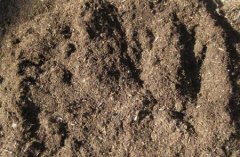
The principles of kitchen waste composting and how to make a compost bin, eco-friendly and practical
Nowadays, we all want a good ecological environment, and many people are making compost, which is both eco-friendly and practically useful. So how do you make compost? Do you know? Let's take a look together. For composting to succeed, you must provide the right amount of water, air,
-
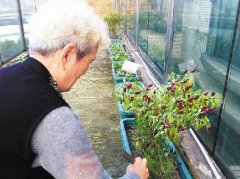
Kitchen waste as organic fertilizer for growing vegetables: eco-friendly, healthy, and it improves the soil
A new method for handling kitchen waste is here. Through "hugelkultur / deep soil planting," raw kitchen scraps and fallen leaves are converted into nutrients plants can use, which not only solves the problem of disposing of raw kitchen waste and rice straw, but also grows vegetables with zero pesticide residues. The garbage problem is getting worse, and
-
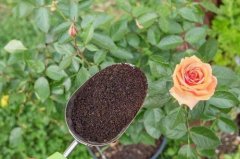
Used coffee grounds have many uses, and can be used as compost to grow flowers
Do you like drinking coffee? If you love coffee, you surely have no idea what benefits coffee grounds have, right? Would you like to find out? Actually, coffee grounds have many clever uses, and the most common one is making compost! If you do not need to fertilize right away, you can turn your coffee
-
What Is High-Temperature Composting? A Full Breakdown of the Key Technical Points
Compost is a kind of organic fertilizer with relatively rich nutrients and a long-lasting, stable fertilizing effect, and it can also increase the soil's ability to retain water, hold heat, allow air through, and retain fertilizer. Ordinary compost is made by decomposing under anaerobic conditions, and the compost temperature does not exceed 50°C; during decomposition
条件筛选