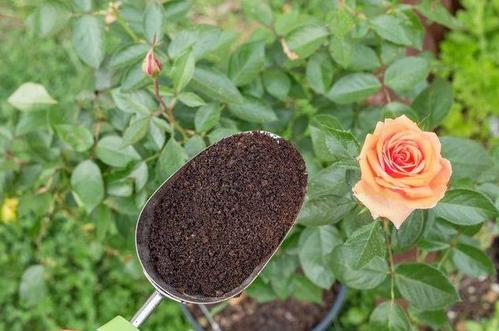
Used coffee grounds have many uses, and can be used as compost to grow flowers
Do you like drinking coffee? If you love coffee, you surely have no idea what benefits coffee grounds have, right? Would you like to find out? Actually, coffee grounds have many clever uses, and the most common one is making compost! If you do not need to fertilize right away, you can turn your coffee
Do you like drinking coffee? If you love coffee, you surely have no idea what benefits coffee grounds have, right? Would you like to find out? Actually, coffee grounds have many clever uses, and the most common one is making compost!
If you do not need to fertilize right away, you can compost coffee grounds for later use. Composting is a natural process that turns organic matter such as food scraps and yard debris into a dark, rich material called compost or humus. Adding compost to your yard or garden can help the soil retain more nutrients and moisture, thereby improving plant health.
If you do not need to fertilize right away, you can compost coffee grounds for later use. Composting is a natural process that turns organic matter such as food scraps and yard debris into a dark, rich material called compost or humus. Adding compost to your yard or garden can help the soil retain more nutrients and moisture, thereby improving plant health.
One study found that compost made with coffee grounds and kitchen scraps was richer than compost made with scraps alone. Another study compared four batches of compost containing 0, 10, 20% and 40% coffee grounds. The batch containing 40% coffee grounds produced the least greenhouse gas emissions and the highest quality compost. Other items for composting include grass clippings, leaves, bark, shredded newspaper, brush, herbs, eggshells, stale bread, and fruit and vegetable scraps. You should avoid composting meat and fish scraps, dairy products, diseased plants, grease and oil.
Adding compost to your garden can significantly improve plant health. Coffee grounds can help raise nutrient levels and reduce greenhouse gas emissions from compost. Coffee grounds can also be put directly into the soil to grow flowers, but the effect is not as good as that of coffee compost.
Repel insects and pests
Certain compounds found in coffee, such as caffeine and diterpenes, are highly toxic to insects. Therefore, you can use coffee grounds to repel bugs. They can effectively deter mosquitoes, fruit flies and beetles, and they can also help prevent other pests. To use coffee grounds as an insect and pest repellent, simply place a bowl on the ground or sprinkle them around outdoor seating areas. You can also prevent pests from entering your garden by scattering coffee grounds around plants. They help form a barrier that slugs and snails do not like to crawl across.
Remove fleas from your pets
Fleas are a common problem for household pets, and treating them can be both expensive and time-consuming. There are several flea removal products on the market, but many contain harsh chemicals that can cause unwanted side effects. Fortunately, fleas do not seem to like coffee, and you may want to use coffee grounds as a natural remedy. After bathing, simply rub the grounds into your pet's fur. Then rinse them off and let your pet dry as usual.
Neutralize odors
Coffee grounds contain nitrogen, which when combined with carbon helps eliminate unpleasant sulfur gases in the air. In other words, coffee grounds can help absorb and eliminate odors. You can place a bowl of coffee grounds in the refrigerator or freezer to neutralize the smell of spoiled or aromatic foods. You can also fill old socks or pantyhose with coffee grounds and tie them off to make a portable air freshener. Place them in your shoes, gym bag, bedroom drawers, under car seats, or other places that may need deodorizing. You can even keep coffee grounds by the sink and use them to rub your hands after chopping garlic or onions. The grounds will help eliminate the smell from your hands.