-

Phalaenopsis orchids rot as soon as they're planted in soil - it turns out they're just not suited to soil by nature
Many beginner gardeners have found that no sooner do they plant a Phalaenopsis orchid in potting soil than, within two weeks, the roots have rotted to a mushy mess. Only later did they figure it out: this orchid is naturally "no fan" of soil. Phalaenopsis is native to tropical forests, where it doesn't grow on the ground but clings to tree trunks and lives attached in rock crevices. In the wild its roots
-
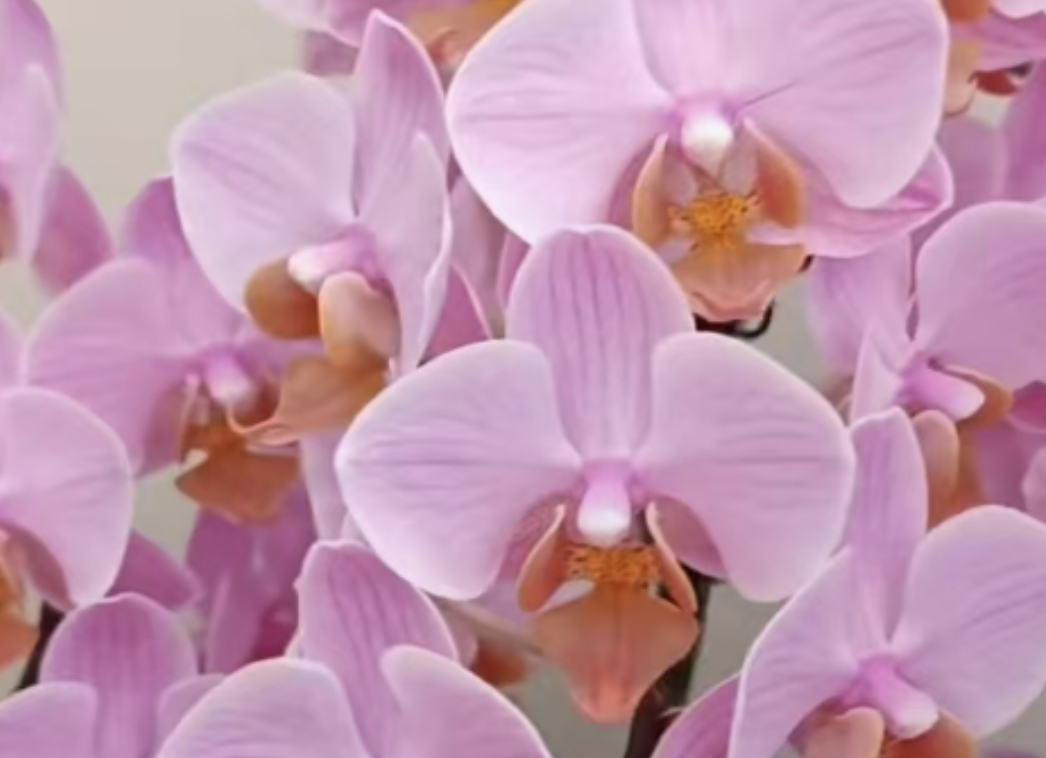
Why do Phalaenopsis orchids rot when planted in soil? It turns out they are naturally not fond of soil
Many beginner plant enthusiasts find that after planting their Phalaenopsis orchids in nutrient soil, their roots rot horribly within just a couple of weeks.
-
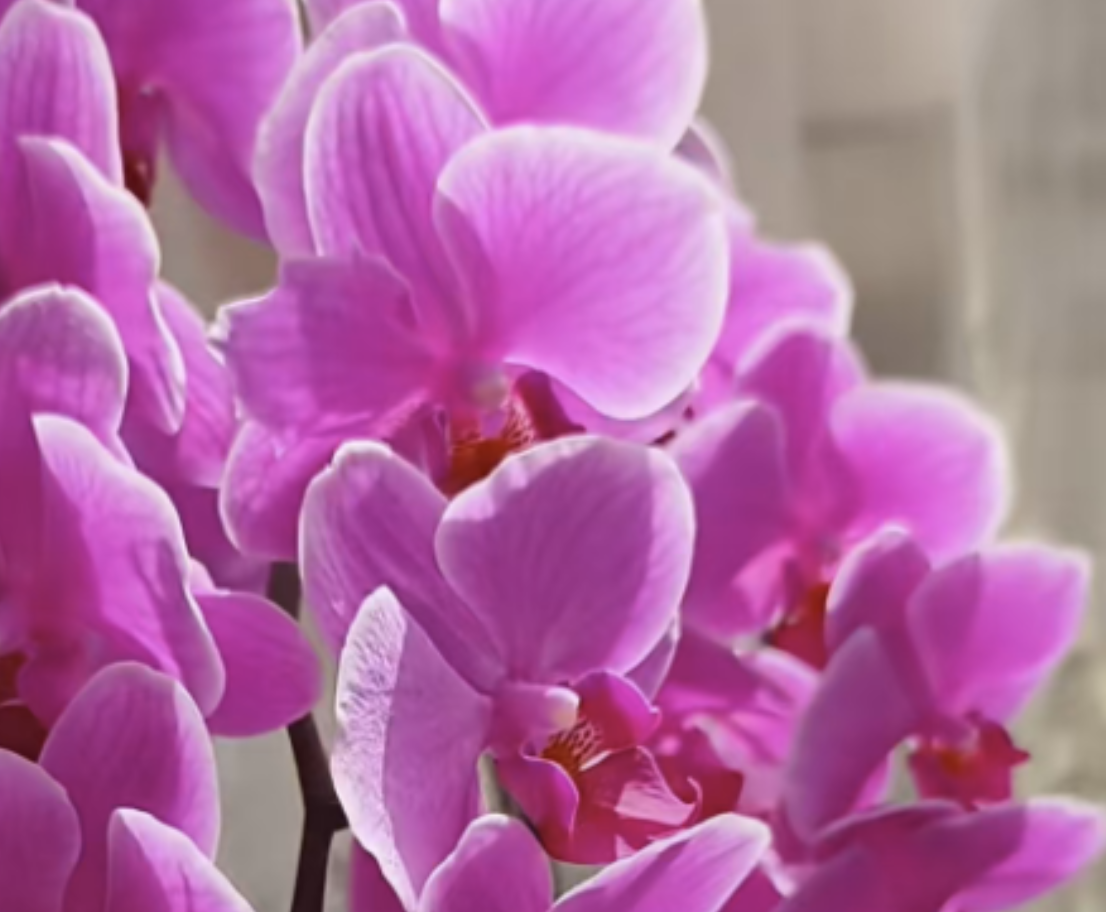
Does it mean stem rot when the roots of a Phalaenopsis orchid turn black? What causes black roots in Phalaenopsis orchids
The roots of my Phalaenopsis orchid used to be plump and white, but suddenly they turned black. Many people, seeing this, immediately panic: “Oh no, stem rot!”
-

Is it normal for Phalaenopsis roots to turn black? How to judge healthy root color
Some friends who grow Phalaenopsis orchids panic the moment they see roots that aren't the white they imagined, especially when black appears: "Is it root rot? Is this plant beyond saving?" In fact, Phalaenopsis roots come in many colors, and not all black roots are a problem. First figure out "what a normal root should look like", then judge whether blackening is normal.
-
Propagate These 4 Common Flowers from Cuttings in Autumn: Snip a Stem and Leaf, Stick It in Soil, and Easily Turn One Pot into Many
Autumn has suitable temperatures and just the right humidity, without the scorching sun of summer or the bitter cold of winter, making it practically the "golden season" for flower cuttings. For many easy-to-grow, hardy plants, no complicated steps are needed - just cut off a stem and leaf, stick it into the soil, and it will take root and grow into new life. The several common plants below are perfect for
-

Reasons and Solutions for Phalaenopsis Leaves Turning to Water and Falling Off
The worst thing about growing Phalaenopsis is encountering leaves turning to water - originally plump leaves suddenly become soft, turn yellow, and rot at the slightest touch. If you are not careful, the pathogens will spread, and the whole plant may even wither! Don't panic, as long as you deal with it promptly, there is a good chance it can be saved ~ Emergency treatment: stop the damage first! Prevent the pathogens from spreading 1. Resolutely remove diseased leaves. When you find leaves
-
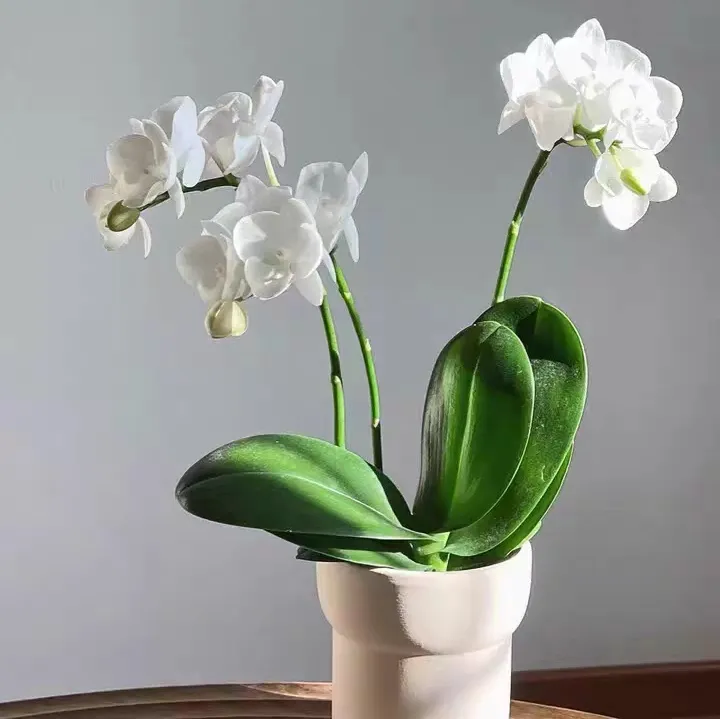
What causes the leaves of Phalaenopsis to turn mushy (liquefy)?
The most dreaded issue when growing Phalaenopsis orchids is leaf liquefaction—plump leaves suddenly turn soft, yellow, and mushy to the touch. If not handled
-

Can a Phalaenopsis orchid still grow back after its root tips turn black? Handle it this way
A perfectly healthy Phalaenopsis root tip, and for no apparent reason it turns black. These are the orchid's "lifeline," responsible for absorbing water and nutrients. Can it still grow back after turning black? How should you handle it? Can it still grow once the root tip turns black? Actually, there is no need to panic too much. As long as the Phalaenopsis root system has not completely rotted and the pseudobulb is still firm, there is hope. The root
-
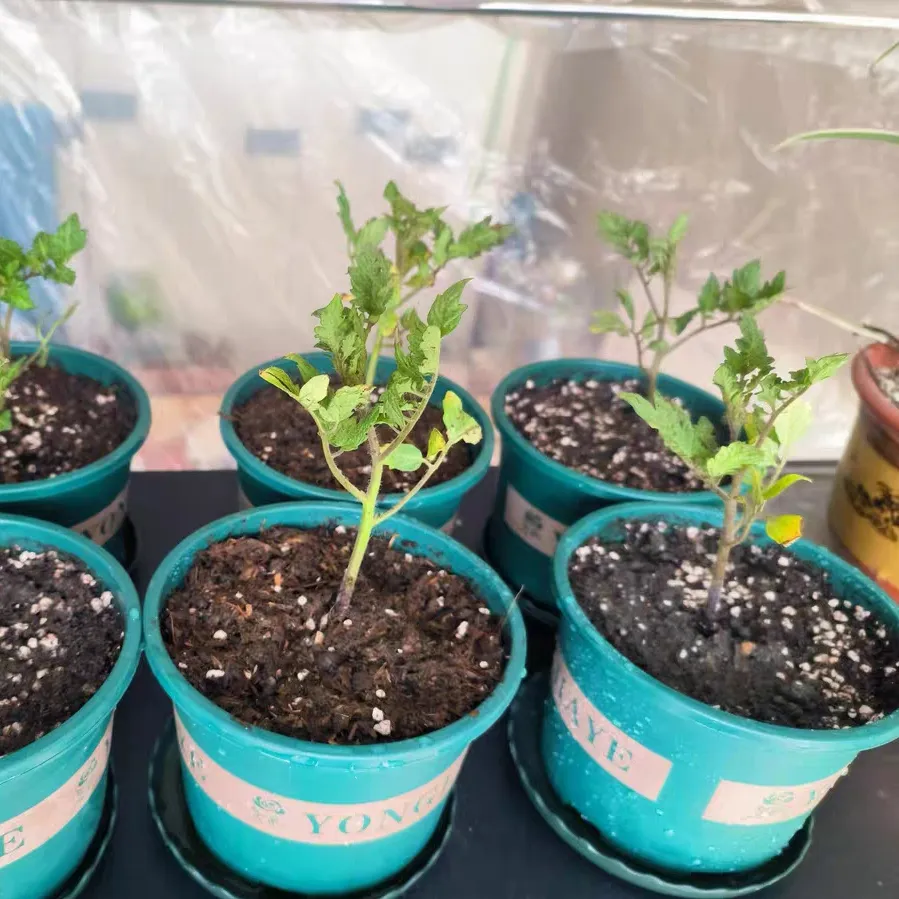
What causes the leaves of tomatoes to turn yellow and dry after fruiting?
Are the leaves of your tomatoes suddenly turning yellow and withered during the fruiting period? Don't panic! Here are the causes and corresponding symptoms:
-
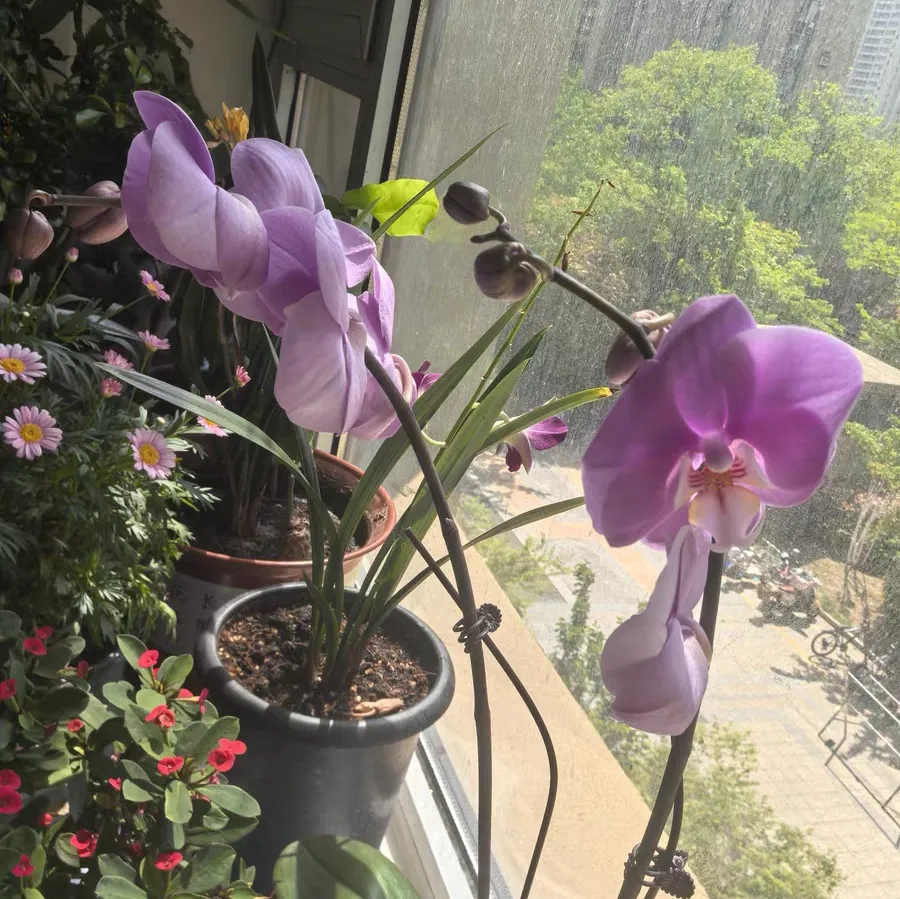
What causes the roots of Phalaenopsis to turn white?
A healthy root system is fundamental to the growth of Phalaenopsis. If the roots turn white, it is mostly related to improper water management. ### I. Causes
条件筛选