-

Why Can't Phalaenopsis Orchids Be Given Organic Fertilizer? An Analysis of the Reasons
In flower care, organic fertilizer is often regarded as a natural, highly effective "plant nutrient," and many flower enthusiasts habitually use it on all kinds of flowers. However, for the elegant and delicate Phalaenopsis orchid, organic fertilizer is not an ideal choice and may even bring many hidden risks. So, can Phalaenopsis orchids be given organic fertilizer at all
-

Why can't Phalaenopsis orchids use organic nutrient fertilizer, and what are the symptoms of fertilizer deficiency?
Phalaenopsis, as a highly ornamental flower, requires careful attention to fertilizer selection during its care. Why is Phalaenopsis not suitable for organic nutrient fertilizer? What symptoms appear when it is lacking fertilizer? A deeper understanding of these issues can help us better care for Phalaenopsis. Phalaenopsis has its own particular requirements for fertilizer, and
-
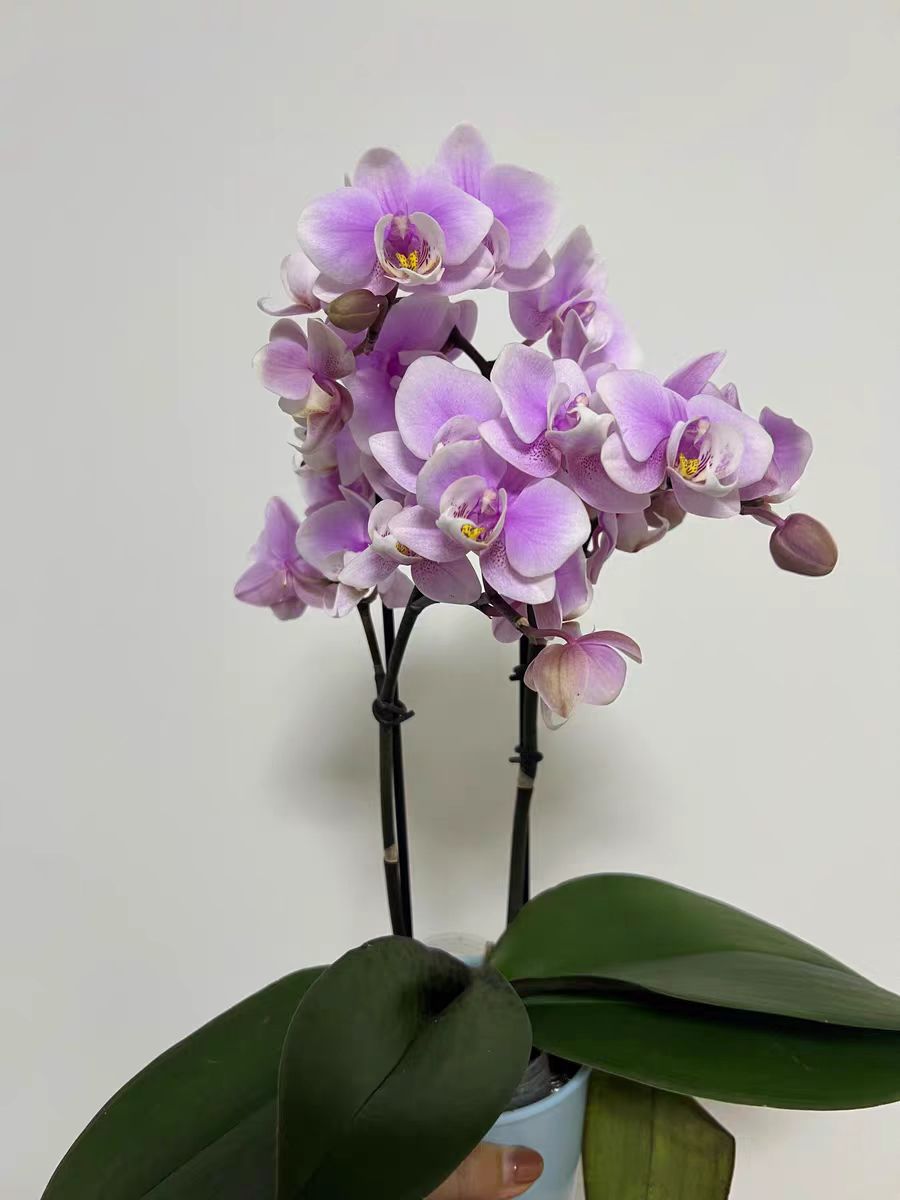
Why can't Phalaenopsis orchids be fertilized with organic nutrient fertilizers?
As highly ornamental flowers, the choice of fertilizers during the cultivation process of Phalaenopsis orchids is of great significance. Why are organic
-
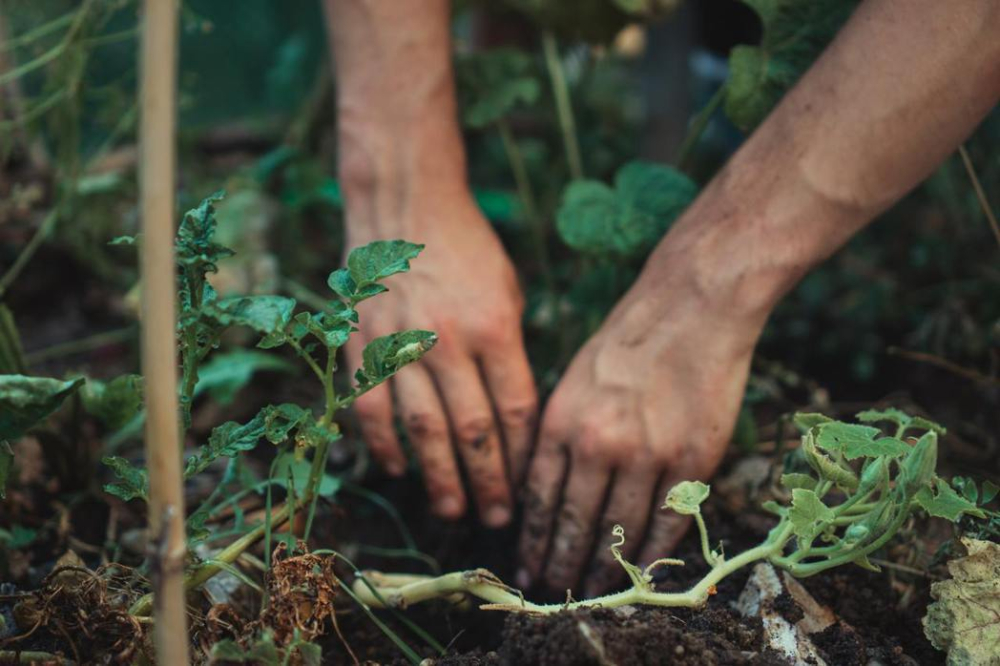
A new agricultural choice: turning waste into vermicompost organic fertilizer
Stepping into the Shiqule farm in Nantou County, hidden in the soil spread everywhere are countless earthworms capable of processing agricultural waste. Yang Zhikai, founder of Shiqule, carefully shovels the soil up from the bottom, then puts it back and turns it over, tending it with care and meticulously building an earthworm ecosystem.
-

A Detailed Introduction to the Types and Effects of Organic Fertilizers
Organic fertilizer is the general term for all fertilizer sources that contain a large amount of organic matter. Its nutrients are relatively comprehensive, and its fertilizer effect is stable and lasting. It has an obvious effect on improving crop yield and quality, and it is an important type of fertilizer in agricultural production. Although organic fertilizer has many benefits, it should not be applied in excess, and attention should also be paid to its combined use with inorganic fertilizers, biological bacterial fertilizers, and so on, as this is more conducive to crop growth.
-
How should bio-organic fertilizer be correctly applied to flowers?
How can bio-organic fertilizer be applied to flowers without error?
-
How Much Does Chicken Manure Organic Fertilizer Cost Per Ton and a Detailed Guide to Its Production Method
For the vast number of specialized chicken farmers and breeding farms, the disposal of chicken manure is a major project, and now processing chicken manure into organic fertilizer just solves this problem. So how much does chicken manure organic fertilizer cost per ton on the market? What are the production methods? 1. Chicken
-
How to Make Fermented Organic Fertilizer? A Full Breakdown of the Detailed Production Method
Homemade organic fertilizer is generally made by controlling the moisture of livestock and poultry manure such as pig manure, chicken manure and cow manure, together with bulk materials such as fruit pomace, distillers' grains and furfural residue, at around 50%, then mixing them evenly with rice bran, sawdust, cake meal powder and the like. When the temperature of the pile rises to 50°C, start turning the pile,
-
How to Ferment Chicken Manure into Organic Fertilizer and Other Uses Explained
Chicken manure is a relatively high-quality organic fertilizer, and the various trace elements it contains can meet the nutritional needs of plants during growth. So how is chicken manure fermented into organic fertilizer? Are there any other uses for chicken manure? 1. How to ferment chicken manure into organic fertilizer Choose
-
Can Lithops Use Organic Fertilizer? A Detailed Guide to the Correct Fertilizing Method
For potted Lithops, the soil is extremely critical. Practice has proven that the size of the granular substrate for growing Lithops should be chosen according to the growth stage of the plant. For small seedlings, the substrate particles are required to be fine and the covering should also be thin. After transplanting, a layer of stones should be spread on the surface of the potting soil.
条件筛选