-
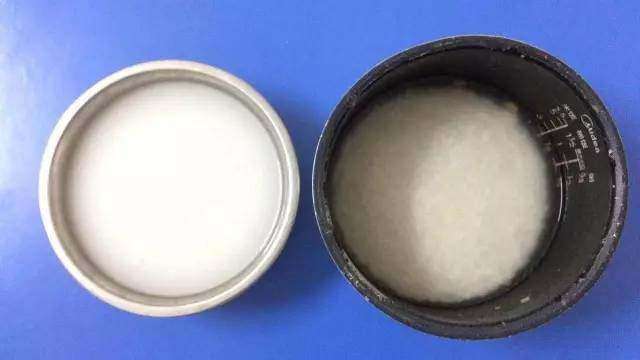
Rice water fermentation smells bad? 2 simple tricks to easily remove the stench of compost fertilizer
When it comes to homemade organic fertilizer, fermenting rice water is the simplest method everyone has tried. But fermented rice water always gives off a bad smell, and the odor is strong when watering flowers too, especially now that the weather is hot. Outdoors it is fine, but indoors...
-
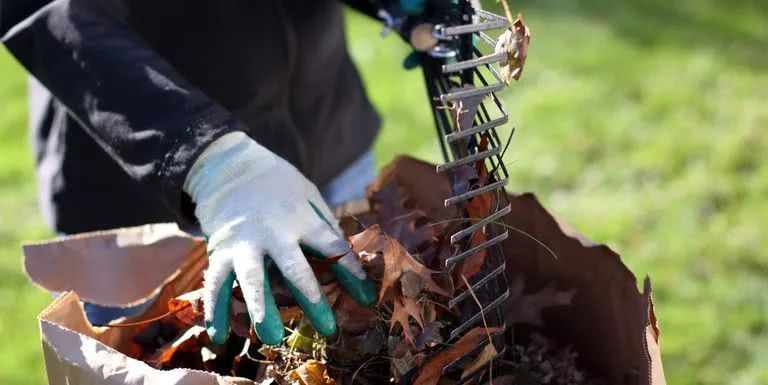
6 Common Mistakes in Homemade Compost: Learn Organic Fertilizer Making Tips
Below I will introduce the things to watch out for when making compost at home. If you toss some fruit peels and vegetable leaves directly outdoors, they will eventually decompose and slowly turn into natural fertilizer. Below I will introduce the mistakes that easily occur in homemade compost...
-

A Complete Guide to Composting Organic Fertilizer and Its Application Methods
Applying organic fertilizer in vegetable production can achieve the goal of continuously supplying various nutrient needs in the crop root zone, and can also gradually improve the organic matter and buffering capacity of vegetable garden soil, and can alleviate soil-borne diseases and continuous cropping obstacles in many important ways. Therefore, vegetable production has always valued the application of organic fertilizer. However...
-

Turn a discarded wooden crate into a compost bin in 7 minutes, turn waste into treasure and enjoy gardening
So these composting methods all run into the same thing... With the sealed composting method, when the compost soil is half-rotted, it must be taken out and put into another container to wait for about 1 month, during which it must be turned and stirred 1-2 times a week; at this point, you need a wooden crate; the leaf-pile composting method...
-
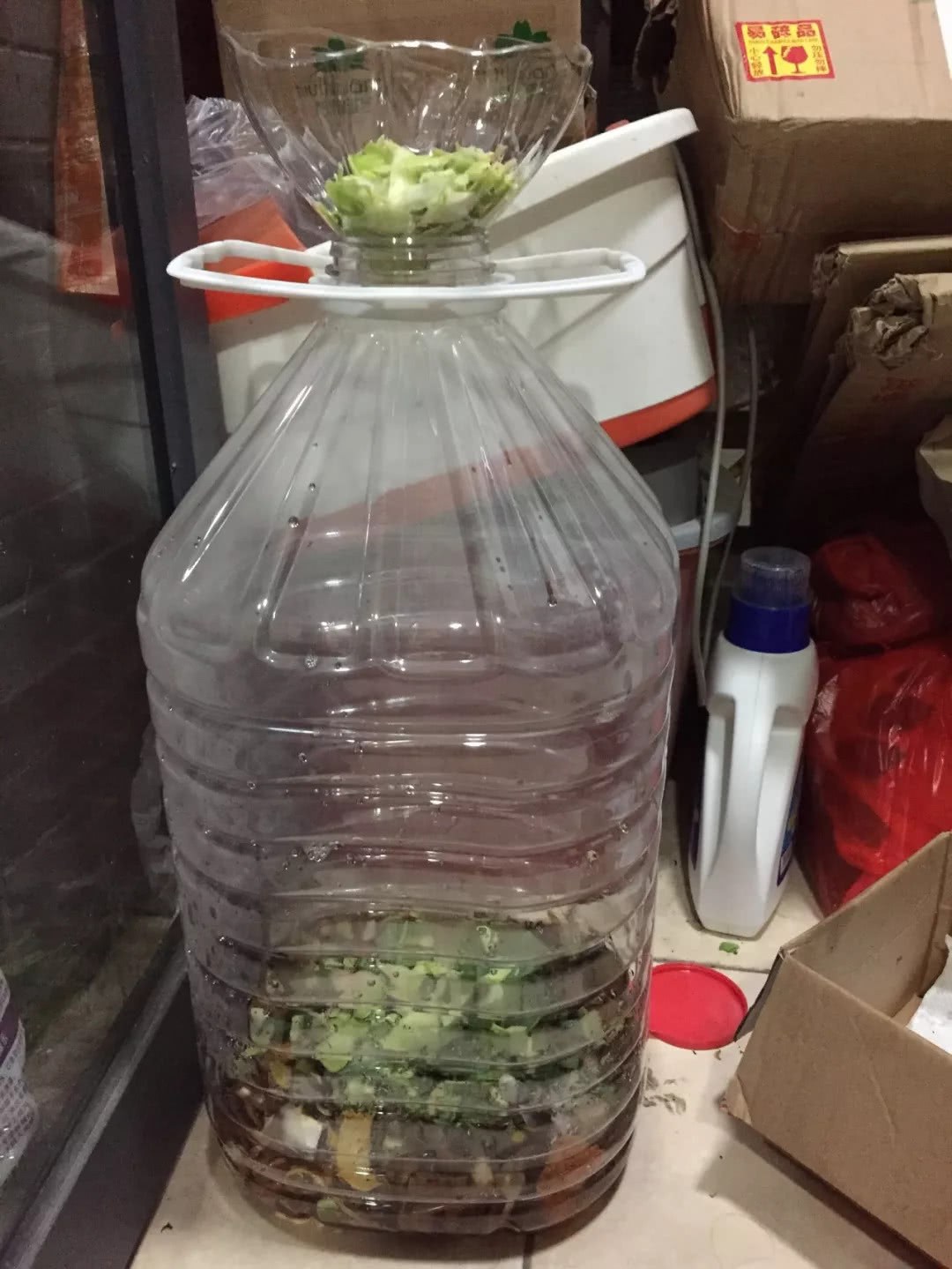
Don't Throw Away Used Plastic Buckets - Turn Them into an Aerated Compost Bin for Home Gardening
Some gardening friends may find it troublesome to move the drained kitchen scraps into the compost bin and spread them flat; or find it even more troublesome to move the half-finished compost soil into a wooden box to wait for it to fully mature; or dislike the liquid fertilizer produced by sealed compost bins, and dislike the odor it produces even more...
-
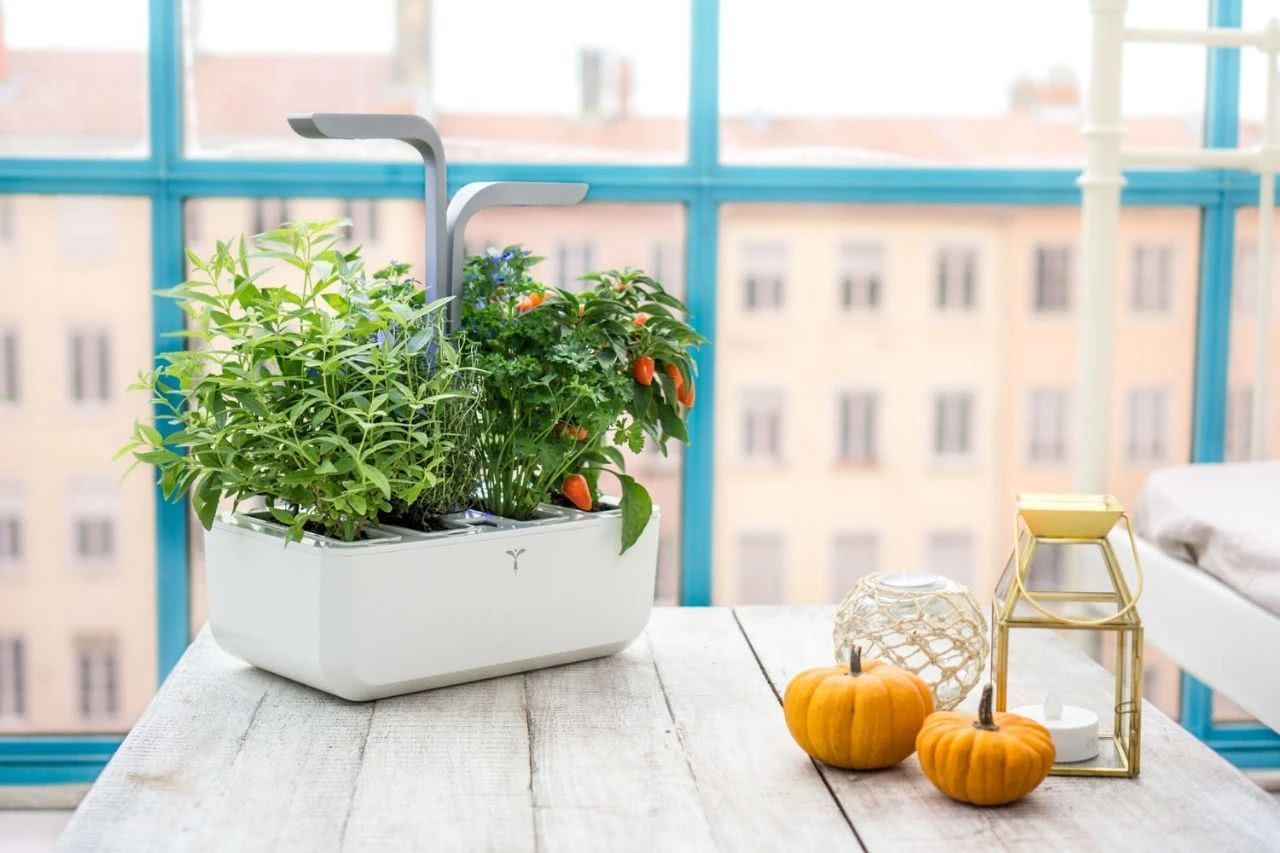
4 eco-friendly ways to improve your kitchen environment; growing vegetables and composting are both great ideas
If you want to make your kitchen space cleaner and simpler, you should not only regularly clean all kinds of appliances and promptly wash cookware and all the various utensils in the kitchen, but also make sure there is never standing water in the kitchen for long periods. If you find any leaking, deal with it promptly. You can also...
-

Want to use sheep manure as organic fertilizer? You cannot skip the composting step
Summary: Want to use sheep manure as organic fertilizer? You cannot skip the composting step. Sheep manure pellets are the black, soybean-sized droppings excreted by sheep. After being fully composted and fermented, sheep manure pellets are excellent organic fertilizer. Besides supplying fertility to alkaline soil...
-

What is compost? How to make compost from weeds and other waste
The power of the pedal - PedalPeople
-

Correct Methods and Technical Key Points for Returning Wheat Straw Compost to the Field
Choose a flat spot at the edge or corner of a field close to a water source, and firm the ground. Chop the wheat straw short, soak it with water, and then build the pile. First spread a layer of wheat straw about 25 cm thick, press it firm, then pour on human and livestock manure and urine, or for every 100 kg of dry wheat straw add 0.5 kg of urea and 2 kg of superphosphate, and spread a layer of pond mud 10 cm thick on top. Then spread another layer of straw, pour on fertilizer, and cover with pond mud. Build up layer by layer in this way until the pile reaches 1.5-2 m high. Finally seal the pile with thin mud. After 30 days, turn the pile and add an appropriate amount of water. After 2 months in summer, or 3-4 months in winter, it will be
-
Key Points of Compost Fermentation Technology in the Cultivation of Agaricus bisporus (Button Mushroom)
Compost fermentation is divided into the one-phase fermentation method and the two-phase fermentation method. (1) One-phase fermentation method: 1 day before building the heap, cut the rice (wheat) straw into sections and drench it thoroughly with clean water so that it fully absorbs water, then leave it piled for 1 day. 7-10 days before building the heap, wet the dry manure with clean water or urine water, then build it into a heap for fermentation. When building the heap, arrange 1 layer of manure and 1 layer of straw, piling them layer by layer; start watering at the fourth layer, and from the fourth layer to the eighth layer add all of the cake fertilizer, superphosphate, gypsum and half the amount of urea layer by layer. After building 10 layers, the heap height reaches about 1.5 m, the four sides are basically vertical, the top of the heap is shaped like a turtle shell, and the very top is covered with 1 layer of manure. To maintain aeration, 2-3 ventilation holes can be inserted from top to bottom with bamboo tubes at the top of the compost heap. To keep warm and retain moisture, the top of the heap should be covered with straw mats, and plastic film should be used on rainy days. When piling the material, the water content of the compost is required to reach saturation. On the second day after building the heap, measure the material temperature within 50 cm; under normal conditions the material temperature will rise to 70°C. If it does not reach this temperature, find out the cause and take remedial measures as soon as possible. During fermentation, turn the heap once at intervals, supplement auxiliary raw materials, and adjust the water content and pH of the compost. On the second day after building the heap, the material temperature begins to rise, and on the third day the temperature at the center of the heap reaches its highest point (74-80°C). When this temperature is reached, the first turning can be carried out 6-7 days after building the heap. On the day before turning, water the upper part of the heap first, then water layer by layer during turning; after the heap is rebuilt, a small amount of water should flow out around it, indicating that the amount of water added is appropriate. When building the heap, still add the remaining urea from the fourth layer to the eighth layer. 2 days after the first turning, the material temperature can reach as high as 75-80°C. 5-6 days after the first turning, carry out the second turning. The focus of the second turning is to adjust moisture; the appropriate water content is when the compost is squeezed tightly by hand and 3-4 drops of water can be squeezed out. On rainy days, when covering with plastic sheeting, prop it up with wooden sticks so that the inside of the material is ventilated, prevent anaerobic fermentation, and keep the material temperature at 60-65°C. Generally, the third turning can be carried out 4-5 days after the second turning, using the same method as above. If there are lumps of manure, crush them before mixing them in. 4 days after the third turning, carry out the fourth turning. First check the water content of the heap; the method is that when the compost is squeezed tightly by hand, 1-2 drops of water between the fingers is just right. If the moisture is insufficient, adjust it with 1% lime water. If the moisture is too high, spread it out to air for a while first, and rebuild the heap when the moisture is appropriate. At the same time, prepare 0.5% dichlorvos and spray it to kill insects. 3-4 days after the fourth turning, the temperature inside the material is still around 50°C and tends to stabilize; carry out the final turning. During the turning, adjust the water content of the compost to 60%-63% and the pH to 7.5-8.0, and at the same time check whether residual ammonia gas and pests remain in the compost. If there is an ammonia smell, formaldehyde can be used again to neutralize it; if there are insects, 0.5% dichlorvos can be used to kill them. From heap building to entering the house, the compost generally needs to be turned 4-5 times, and the intervals between turnings are usually 7, 6, 5, 4 and 3 days. During the heap-building process, the moisture of the compost should first be wet and then dry, the heap should first be large and then small, and the turning intervals should first be long and then short. Following this principle, the heap temperature can be maintained above 50°C for a long time.
条件筛选