-
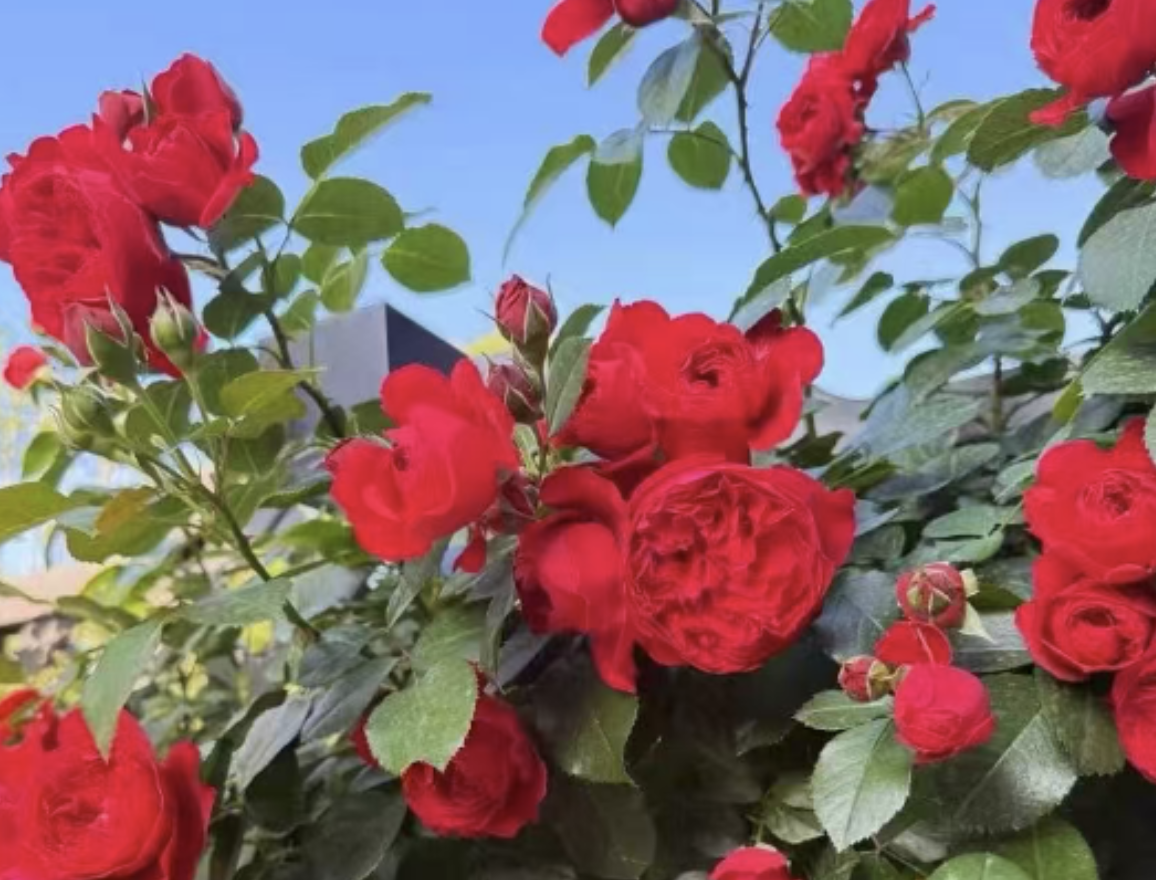
Don’t Discard Your Black-Stemmed Roses! 3 Ways to Revive Them
Sometimes a healthy rose stem suddenly turns black, drying from the tip downward, and still feels soft to the touch — this is the dreaded “black stem” problem.
-

Do scale insects on Phalaenopsis orchids chew the leaves? Three of the simplest ways to get rid of them
In recent years, Phalaenopsis orchids have taken the world by storm, and many households keep 1 or 2 pots to join in the trend. But buying them is easy, while growing them easily brings all kinds of problems, and the problems are new every day. For beginners, the result is usually growing the Phalaenopsis to death. When beginners grow flowers, they really must grasp the key points, and what they should learn most
-

What size pot is most suitable for growing Phalaenopsis orchids at home, and is bigger always better?
"When growing Phalaenopsis at home, what size pot is the right choice? Does it grow more vigorously the bigger the pot?" In fact, many people raising Phalaenopsis for the first time always feel that giving it a large space will help it grow better, but then they buy too large a pot, and instead the plant rots at the roots and turns yellow at the leaves, all for nothing. Phalaenopsis really is not better in a bigger pot; rather, "small pots grow roots, big pots rot
-

How to humidify Phalaenopsis orchids in the north? Practical ways to maintain indoor humidity
For gardening friends in the north growing Phalaenopsis orchids, the biggest headache is probably the humidity problem - clearly light and watering are done according to tutorials, yet the orchid leaves are still dry and shriveled, and may even have root rot. In the end, it is simply that the air is too dry! Phalaenopsis orchids are native to tropical forests and are used to a humid environment of 60%-80%. In our north, once the winter heating is turned on,
-

Do indoor plants always go dormant in winter? A rundown of species that go dormant in autumn
Many plant lovers may think that dormancy is all about winter, and that plants only "sleep" when it gets cold. Actually, that's not the case. The dormant period doesn't necessarily fall in winter; some indoor plants start slacking off as soon as autumn arrives and quietly enter dormancy. First, let's talk about why a plant's dormant period isn't necessarily in winter. Plant dormancy mainly
-

Is More Flower Spikes Always Better for Phalaenopsis Orchids?
People often ask: when a Phalaenopsis at home suddenly puts out several flower spikes at once, is that a good thing or a bad thing? Does more flower spikes mean a more spectacular bloom? Many people growing Phalaenopsis always assume that more flower spikes is better, symbolizing a profusion of blooms, but the reality is not that simple - the number of flower spikes needs to be considered from multiple angles.
-
Is That Succulent a Chemically-Induced Variegation? Here Are a Few Ways to Tell
Do you always get drawn to those super-vivid variegated succulents when browsing the succulent market? Don't rush to buy! Many succulents that look absolutely gorgeous may be chemically-induced variegations. Today I'll walk you through, step by step, how to tell whether a succulent is a chemically-induced variegation, so you can avoid falling into the trap! Characteristics of chemically-induced variegated succulents 1. Color The colors of chemically-induced variegations are very strange - the white looks like wall paint, the yellow is bright
-

Why do Phalaenopsis orchids always get root rot, and is it good to spray water on the plant?
Why are Phalaenopsis orchids so sought after by flower lovers? First, their blooming period is extremely long; a single flower can stay open for several months, making them a true "lazy person's blessing"! Second, of course, is their stunning appearance; placed in any corner of the home, they instantly elevate the style. However, after buying a Phalaenopsis, keeping it alive and thriving is not an easy task,
-

How can you make Phalaenopsis orchid leaves emerald green, and is greener always better?
Have you ever been drawn to the dancing butterfly-like flowers of the Phalaenopsis orchid while browsing a flower market? Especially its jade-like leaves, which, as a backdrop, make the flowers the center of attention all the more. When growing plants, we often assume that the greener the leaves, the healthier the plant, but is that really true? The leaves of the Phalaenopsis orchid are each as delicate as jade, making people
-

Causes of White, Crusted Potting Soil and Effective Ways to Fix It
For those who love indoor potted plants, the health of the potting soil directly affects the growth and appearance of the plants. White, crusted potting soil not only affects the roots' breathing but may also hinder nutrient absorption. This article introduces several simple and effective handling techniques, and also analyzes how to improve the soil when growing potted plants indoors.
条件筛选