Kitchen waste as organic fertilizer for growing vegetables: eco-friendly, healthy, and it improves the soil
A new method for handling kitchen waste is here. Through "hugelkultur / deep soil planting," raw kitchen scraps and fallen leaves are converted into nutrients plants can use, which not only solves the problem of disposing of raw kitchen waste and rice straw, but also grows vegetables with zero pesticide residues.
The garbage problem is getting worse, and it has also led the government to intend to allocate budget to solve related issues. In addition to carrying out resource recycling, county and city governments are also working hard to find more and newer methods, and even cooperating with enterprises to develop new technologies, so that "garbage becomes gold."
Taking Hsinchu City as an example, the Hsinchu City Jingguo Fruit and Vegetable Market produces about 4 tons of raw vegetable kitchen waste every day, which is a very important organic material, but at present it is all handled by incineration. Jiang Shengren, director of the Hsinchu City Environmental Protection Bureau, believes that as long as it is combined with farm construction planning, this raw kitchen waste can be reused and turned into valuable soil.
Jiang Shengren said that the Environmental Protection Bureau is promoting an edible landscape plan. Since last year it has cooperated with the Taiwan Community Collaborative Agriculture Association, conducting trials through farmland next to the Hsinchu Air Base and the association's community granary working group, further promoting "community granaries" for non-urban areas, and trying to use "hugelkultur / deep soil planting" to solve the disposal of raw kitchen waste and reduce greenhouse gas and particulate matter emissions.
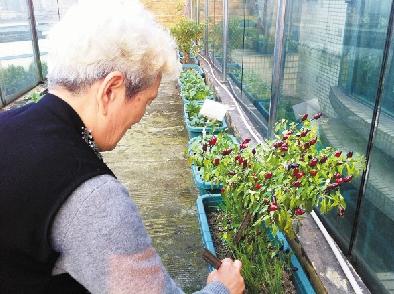
He revealed that this year it will further promote an "urban soil-building plan," spreading wicking bed vegetable boxes in more communities, campuses and public areas, and going to various communities to promote joining the eco-friendly vegetable garden ranks, using street-corner spaces to create edible landscapes and grow safe, healthy food.