-

Homemade Fertilizer for Phalaenopsis Orchids: Which Natural Plants Are Suitable for Making Fertilizer
Those who grow Phalaenopsis orchids know that they need careful attention yet dislike being disturbed too much. Many orchid growers agonize over the choice of fertilizer, always worrying that chemical fertilizers will damage those delicate roots. In fact, nature has long prepared for us a gentle and effective "nutrient treasure" - making homemade flower fertilizer from natural plants not only conveys our
-
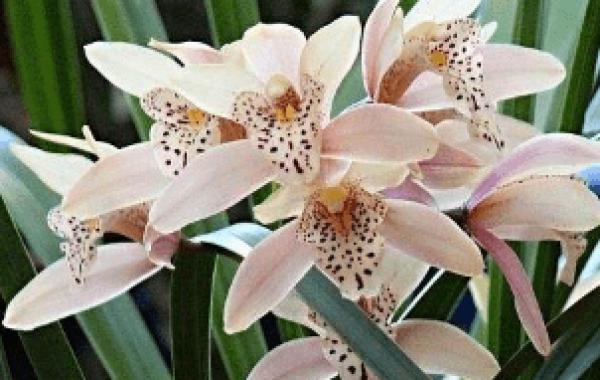
What are the methods for making homemade fertilizer for orchids?
What are the ways to make homemade orchid fertilizer?
-
What to do when potted flowers get bugs? Teach you homemade pest control tips
Potted flowers full of bugs? Homemade pest control tips
-

Simple and Practical Methods for Making Chicken Feed at Home
Making chicken feed at home is safe, economical, and environmentally friendly. Here is an introduction to the raw materials and proportions of one kind of chicken feed: 30-40 parts soybean, 80-90 parts corn, 10-15 parts rice bran, 3-5 parts Houttuynia cordata, 1-2 parts Isatis root, 3-4 parts Bupleurum, 1-2 parts rhubarb, 2-3 parts Pulsatilla chinensis,
-
A Detailed Guide to Making Homemade Foliar Fertilizer for Orchids
Homemade nitrogen fertilizer: prepare some vegetable leaves, peanuts or expired milk powder, grind them into powder, put them into a transparent container, place it in a well-lit spot, seal and ferment, then dilute before use. Homemade phosphorus fertilizer: put fish bones, pork bones, eggshells and similar materials into a container, add
-
How to Make Fermented Organic Fertilizer? A Full Breakdown of the Detailed Production Method
Homemade organic fertilizer is generally made by controlling the moisture of livestock and poultry manure such as pig manure, chicken manure and cow manure, together with bulk materials such as fruit pomace, distillers' grains and furfural residue, at around 50%, then mixing them evenly with rice bran, sawdust, cake meal powder and the like. When the temperature of the pile rises to 50°C, start turning the pile,
-
What are the traditional ways to make duck feed at home?
If they are ducklings, you can make feed with 50% corn, 20% rapeseed cake, 10% broken rice, 10% bran, 7.5% fish meal, 1% meat meal, 1% shell powder, and 0.5% salt. If they are growing ducks and fattening ducks, you can make feed with 50% corn, 17% wheat, 12% bran, 10% broken rice, 5% rapeseed cake, and fish meal
-
A Detailed Guide to Homemade Cattle Feed Formulas and Preparation Methods
Currently, the types of feed for raising and farming cattle are divided into six major categories: roughage, concentrate feed, succulent feed, animal-based feed, mineral feed and feed additives. Below is an introduction to homemade cattle feed formulas. 1. Homemade cattle feed formulas 1. Within one year of age
-
How to Make Sheep Feed at Home? Detailed Methods and Steps
Sheep are a common type of livestock in our country, and many people make money by raising them. To make money, besides choosing good breeding stock, you also need to choose good feed. Of course, if you want to save costs, making feed at home is also possible. So how do you make sheep feed at home? 1. Chop straw short. Use rice straw
-
How to Make Homemade Feed into Pellet Feed
Raising poultry and livestock requires preparing feed. Purchased feed is relatively expensive and not necessarily healthy, so many people choose to make their own feed. So how do you make homemade feed into pellets? 1. What types of feed are there? 1. Starch feed. These feeds are mainly made from grains, seeds, and roots or tubers that contain large amounts of starch.
条件筛选