-
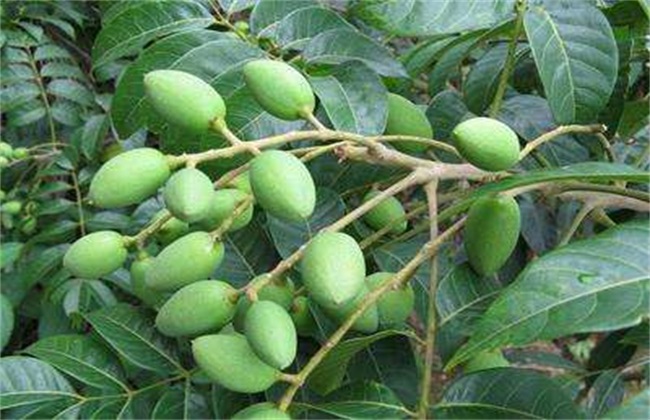
How to Propagate Olive Trees? A Detailed Guide to Common Propagation Methods
Olive Propagation Methods
-
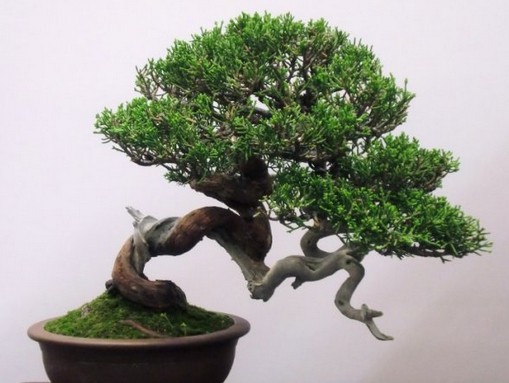
A Detailed Guide to Tree Species Selection and Styling Techniques of Suzhou-Style Bonsai
Suzhou-style bonsai is one of the five major schools of Chinese bonsai and consists of two parts: tree stump bonsai and water-and-stone bonsai. The most common varieties for tree stump bonsai include pines and cypresses, Chinese sweet plum (Sageretia thea), elm, boxwood, trident maple, Chinese fringeflower (Loropetalum chinense), crape myrtle, pomegranate, ginkgo, and others.
-
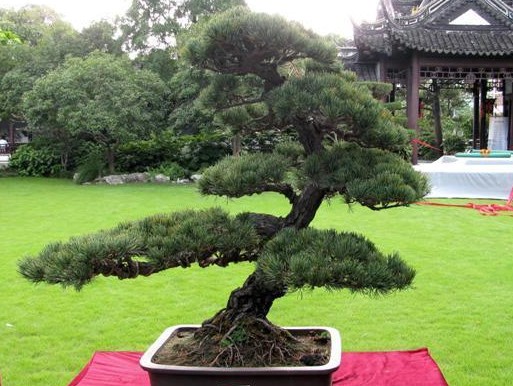
What are the representative tree species and artistic styles of Shanghai-style bonsai?
Shanghai-style bonsai is one of the excellent traditional arts of the Han ethnic group, and is a bonsai art school named after Shanghai. It embodies literature and aesthetics, and integrates plant cultivation science, plant morphology, plant physiology, garden art and plant modeling art. The distribution range of Shanghai-style bonsai is mainly in Shanghai and its surrounding counties and cities
-
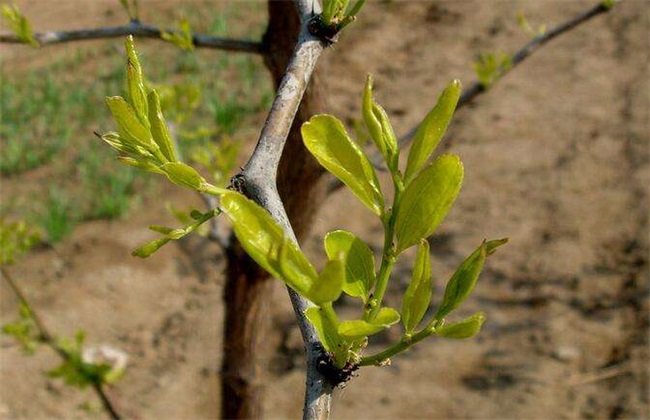
What are the propagation methods for jujube trees? A detailed explanation of common seedling-raising techniques
Jujube tree propagation methods
-
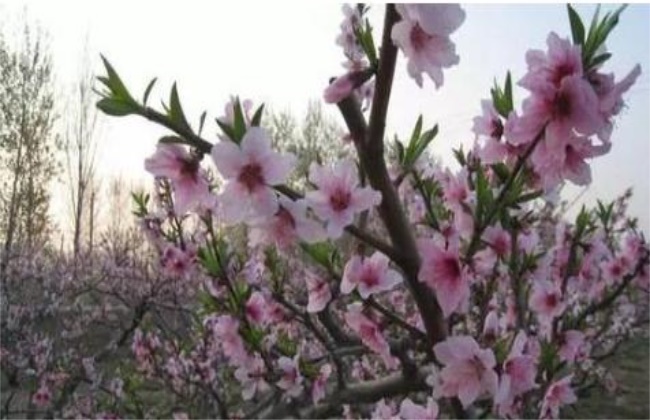
Key points for managing peach trees during the flowering period, fruit farmers should master them
Key points for managing peach trees during the flowering period
-

How precious is the tree fern? Pingtung University of Science and Technology students use green globules to cultivate seedlings, bringing hope for restoration
The tree fern (Cyathea lepifera), listed under the Washington Convention as a "Class II rare and endangered plant," has suffered from wilt disease in Taiwan in recent years, with its population declining. Hsieh Ching-hsiang, a professor in the Department of Agronomy at National Pingtung University of Science and Technology, led graduate student Chou Yu-ju in using "Establishment of an Aseptic Sporophyte Production System for Tree Fern
-
A Detailed Guide to Propagating Money Trees from Cuttings: Master the Techniques to Improve the Survival Rate
The money tree, as its name suggests, carries the meaning of making a fortune, so people usually believe it symbolizes "wealth rolling in from all directions." Combined with its high ornamental value, this plant is deeply loved by gardening enthusiasts. In addition, the money tree is shade-tolerant and highly adaptable to its environment, so it is relatively easy to grow.
-

Money tree cutting propagation methods: learn these few tricks and it grows fast
For potted flowering plants, cuttings are often a widely used method of propagating young plants. And cuttings can generally be done either in soil or in water, and some plants can even be propagated from leaf cuttings. But different plant varieties often root at different speeds after cutting.
-
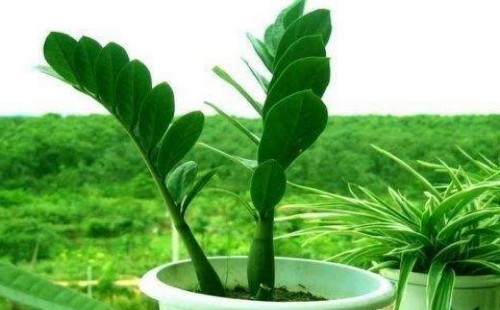
Can a money tree (Zamioculcas zamiifolia) be propagated by whole-branch cuttings?
The practical value of a potted money tree is very high, and it is generally appreciated as an indoor foliage potted plant. Moreover, propagating the money tree is relatively simple. Since the plant has underground tubers, and the tubers bear latent buds, propagating it from tubers or by division makes it quite easy to obtain small potted seedlings. In addition
-
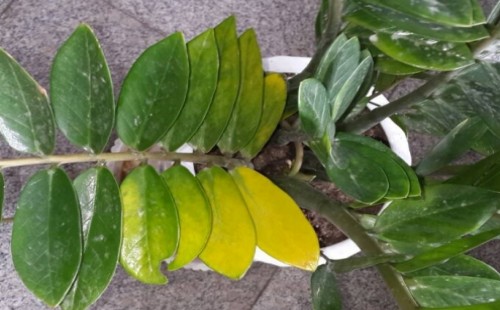
How to tell if a money tree's yellowing leaves are caused by lack of water
The stems and leaves of the money tree are not only arranged very neatly, but also stay evergreen all year round, and the leaves are so glossy green, so its ornamental value is very high. Therefore, it is often grown as an indoor foliage potted plant, both for viewing and to embellish the home environment. Undoubtedly
条件筛选