-

A Detailed Guide to Controlled Cultivation Techniques for Tree Bonsai: Master the Key Points to Grow Bonsai Well
Tree bonsai generally refers to those that use woody plants as the main material, processed through techniques such as wiring, pruning, grafting, and carving along with horticultural cultivation, to present the scenery of trees in nature within a pot. Many people treat bonsai as their own child. Raising a child requires nurturing and education to go hand in hand.
-
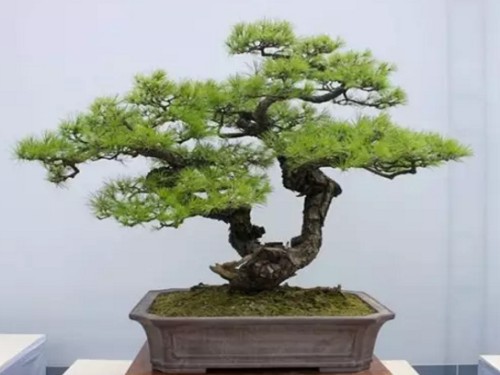
Bonsai Tree Stump Pruning and Shaping Methods and Techniques
Tree stump bonsai is usually made from woody plants, selecting plants with graceful posture, short stature, small leaves, long lifespan, tolerance to pruning, strong resistance, and easy shaping. Without violating the growth habits of the trees, methods such as leaf removal and pinching are used to inhibit their growth and carry out shaping. In the cultivation process of this kind of bonsai
-
What are the principles for matching tree bonsai with pots? Explained in one article
China produces a great variety of pots, with ever-changing styles and extremely rich colors. In terms of material, there are clay pots, pottery pots, glazed pots, porcelain pots, stone pots, and so on, each with different properties and uses, among which pottery pots and glazed pots are more commonly used. Yixing sandy pottery pots and Guangdong Foshan glazed pottery pots have a long history
-
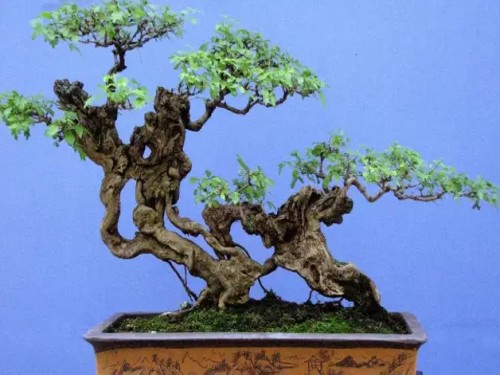
A Detailed Explanation of the Methods for Designing and Conceiving Tree Bonsai Shapes
Tree bonsai takes trees as its main subject. Because the materials used differ, it is usually further divided into two major categories: tree scenery and stump scenery. Tree scenery is made by using young trees as material and carrying out artistic processing, so it is often called "cultivated from youth." In the creation of tree bonsai, for a bonsai to deserve to be called an excellent work, all its parts must be seamlessly integrated and unified in harmony
-
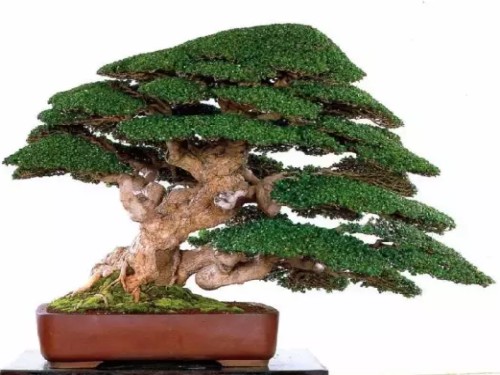
Detailed Explanation of Key Techniques for Bare-Root Cultivation of Bonsai Tree Stumps
With the further development of urban landscaping and home courtyard beautification, the shaping and landscaping of tree stumps has become increasingly popular. Besides the bonsai that people can often move around, they always linger over the shaped landscapes featuring tree stumps in public green spaces and home courtyards, which shows people's mentality of revering nature.
-
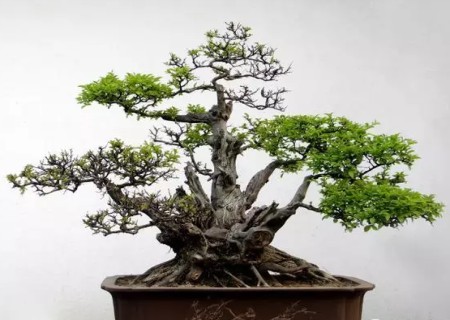
How do you seal the cuts on tree bonsai stumps? A detailed guide to practical techniques
After a new tree stump has been trimmed and shaped, it has quite a few wounds from knives, saws, and chisels. These wounds are easily invaded by bacteria, which at worst damage only a local area but at worst affect the whole plant, so sealing the wounds is necessary. The simplest method is to smear the wounds with beeswax, paraffin wax, or white glue, or to wrap the wounds with strips of cloth. What to note is
-
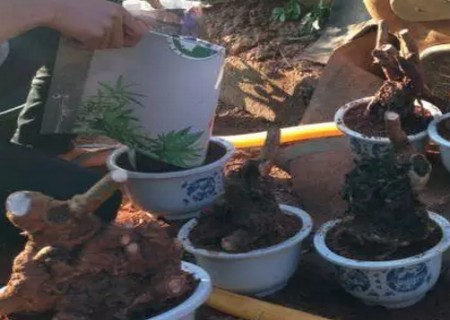
Detailed Explanation of the Transplanting Methods and Operation Steps for Collected Bonsai Deciduous Trees
Collected trees, that is, wild tree stumps dug from the mountains, used as bonsai material. Generally, such material possesses a strange, perilous, quaint and elegant effect that is very difficult to achieve by artificial means. Perhaps your firewood is someone else's bonsai material. Based on my more than ten years of understanding of bonsai stump transplanting
-
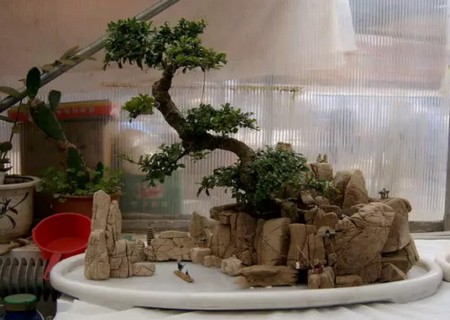
Illustrated Tutorial on How to Make a Tree-Rock Water-and-Land Penjing
Tree-rock water-and-land penjing uses plants, rocks and growing medium as materials, applying respectively the creative techniques of tree penjing and landscape penjing, combining them into a scene according to a conceived theme, and carefully shaping the terrain and landforms, dotting them with ornaments such as pavilions, boats and carts, cattle and horses, and human figures, to represent a water area in a pot
-
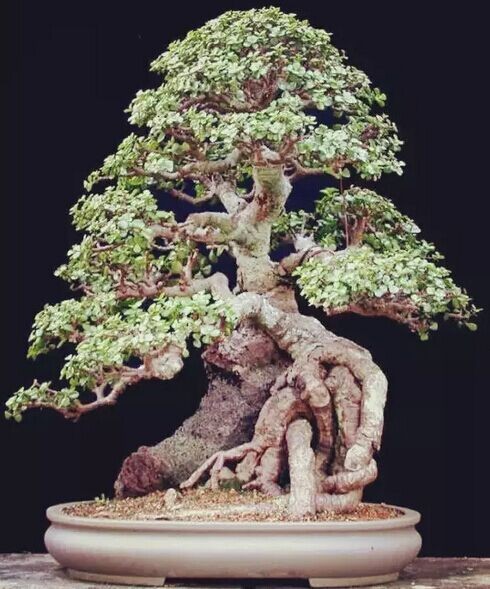
A collection of tree-stump and rock-clinging bonsai: admire the sculptural art of mountain stones and tree stumps
Generally, stump bonsai are made by planting the tree stump directly into the potting soil, which makes them relatively easy to create and maintain. But if the tree stump looks as though it were born and grown on rock, that is the uniquely charming rock-clinging style of stump bonsai. There are many kinds of ornamental stones, but mountain stones that are hard in texture and do not absorb water are generally not used, otherwise they are not only difficult to work with
-
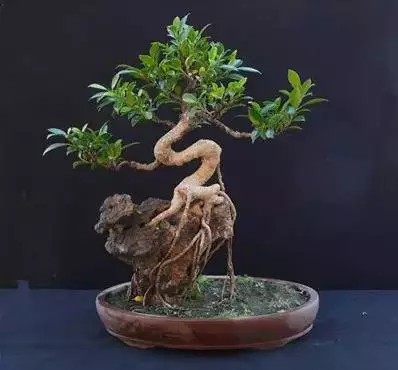
Tree-on-rock bonsai: the bonsai art that ingeniously combines trees and rocks
In daily life, people with refined tastes often like to place artistic bonsai in their homes to cultivate their character and calm their minds. Generally speaking, bonsai are mostly flowers and grasses, or a single rock, and "tree-on-rock" bonsai are rarely seen. Dear reader, when a tree meets a rock, do you know what kind of wonder will be born? Rock-attached bonsai is mainly based on rock
条件筛选