-
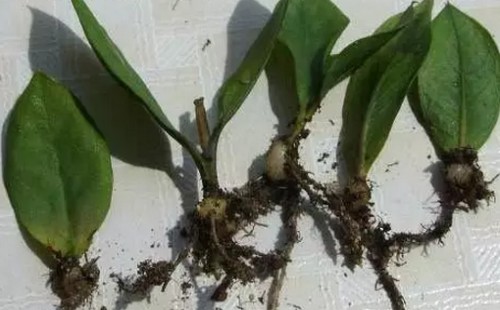
Why do the leaves of a money tree turn yellow after leaf cuttings
Placing a potted money tree indoors as a foliage plant combines greening, beautifying and purifying in one, with very high practical value and a very wide range of uses. Moreover, the money tree's propagation method is also relatively simple, generally using cuttings to breed. However, cuttings can be done either in soil or in water
-

Do yellowing leaves on a money tree need to be cut off? How to handle yellow leaves on potted plants
The money tree (Zamioculcas zamiifolia) is an evergreen species very well suited to being grown as an indoor foliage potted plant, and placing it indoors brings many benefits. It can be enjoyed for its ornamental value, accent a space and beautify the home environment, while also absorbing harmful gases and dust and releasing oxygen. Of course, for enthusiasts who pay close attention to feng shui
-
How to Plant Money Tree Seeds? Detailed Sowing Methods and Steps
The ornamental value and practical value of potted money trees are obvious to everyone. They can not only be grown into large potted plants for placement in courtyards or for commercial occasions, but can also be grown into small potted plants to decorate the home environment, often achieving good results. Moreover, the money tree has quite a few propagation methods
-
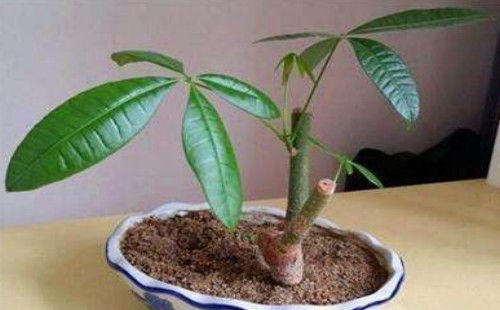
How to graft a money tree? Detailed method and steps
The money tree is a tree species native to tropical regions, and because it has extremely high ornamental value, it can be seen in many places. Moreover, the money tree has quite a few propagation methods, with common ones including sowing, cuttings, and grafting. In a previous article
-
Can Ping'an trees be propagated by water cuttings? A detailed guide to the rooting methods for cuttings
Just as its name suggests, the Ping'an tree (Cinnamomum kotoense) carries a very auspicious meaning, symbolizing good fortune and well-being. In addition, the Ping'an tree stays evergreen all year round, has excellent greening and beautifying effects, and offers high ornamental value, so it can be seen in many places. This is especially true because the Ping'an tree likes a warm, humid growing environment with plenty of light
-
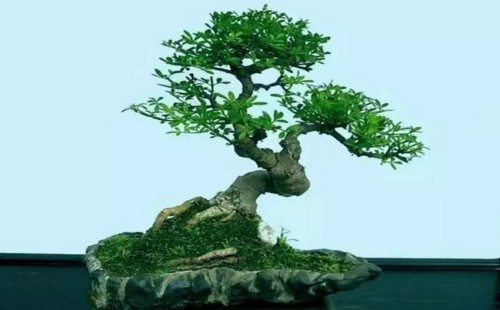
How to Defoliate Bonsai Trees: Detailed Explanation of Correct Methods and Techniques
Bonsai trees generally stay evergreen throughout the four seasons, with powerful, vigorous trunks and very unique shapes, so they often have high ornamental value. And the leaves are often the greatest ornamental highlight of bonsai trees, though for bonsai trees, the smaller and more luxuriant the leaves, the higher the ornamental value tends to be
-
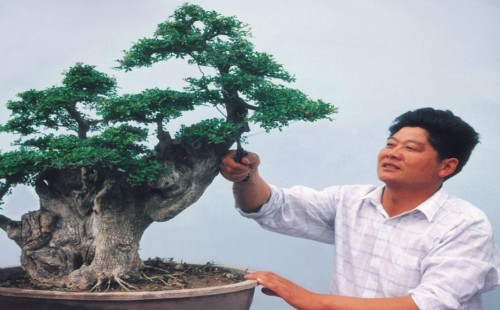
Bonsai pruning techniques for Chinese fringe tree (Chionanthus retusus): easily maintain a beautiful shape
The Chinese fringe tree bonsai is a work created through deliberate processing by people. Although it undergoes long-term pruning to maintain a perfect shape, it has not lost its vitality and often continues to grow. Conversely, if pruning is not carried out in time during normal care, as new branches keep sprouting and growing
-
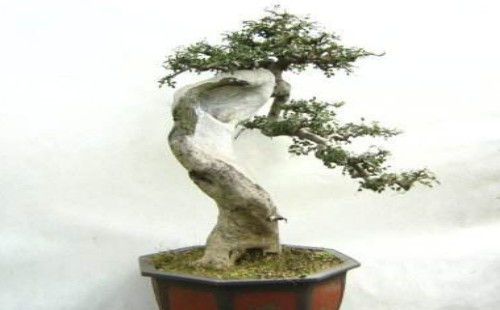
A Detailed Guide to the Preliminary Shaping Methods for Tree-Stump Bonsai
Tree-stump bonsai often adopt different shaping techniques depending on the tree species, and the resulting bonsai effects vary greatly as well. Although the shaping methods are not entirely the same, the finished tree-stump bonsai will each have their own merits because of their different forms. However, before making a tree-stump bonsai, you first need to dig up the stump.
-
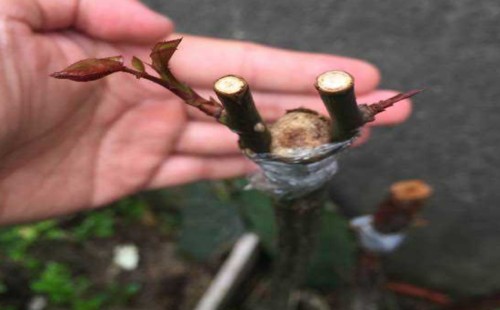
How to graft a tree-standard rose? Detailed methods and steps
The rose is a clumping shrub that does not grow an obvious main trunk, and to cultivate a rose bonsai with tree-standard characteristics, grafting is often the means used to achieve it. The tree stock used for grafting roses is mostly rose rootstock (Rosa multiflora), and the rootstock is required to grow vigorously, have a well-developed root system, and be free of pests and diseases.
-
How to Bend and Shape a Ginkgo Tree for Bonsai
Although the ginkgo is a deciduous tree, its trunk is straight and its bark smooth, and its leaves in particular turn yellow before falling, so that even the fallen yellow leaves spread on the ground look very beautiful. For this reason, ginkgo trees are often used in street greening, garden landscaping and other aspects, forming splendid scenery, and ginkgo trees can also be made into bonsai for appreciation.
条件筛选