-
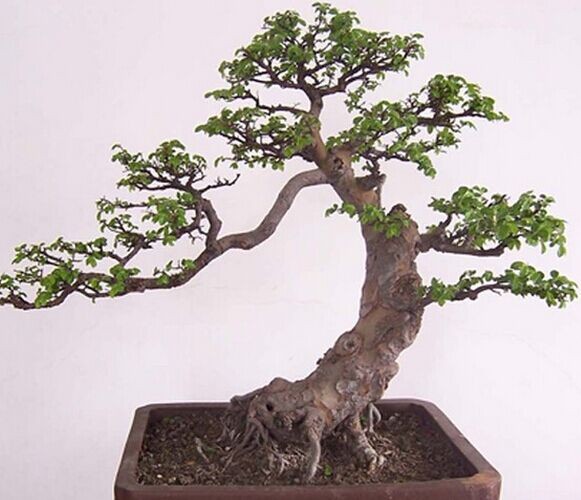
Detailed Explanation of the Layout Methods and Techniques of Tree-Stump Bonsai
Tree-stump bonsai values "clear, strange, ancient, and grotesque," with the aged and picturesque being regarded as the finest. Whether a tree stump appears aged or young does not depend entirely on the age of the tree; as long as we pay attention to the characteristics of ancient and famous trees and fine bonsai works when admiring them, and seek out the patterns of agedness and youthfulness, it is entirely possible to use artificial methods
-
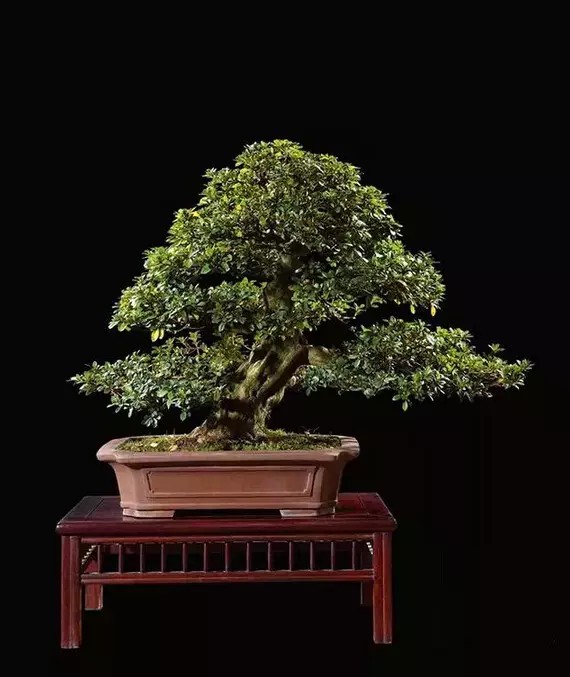
Appreciation of Tree Bonsai and Stump Bonsai Works
Bonsai is one of the few objects that possesses rich colors while giving people tranquility and a sense of congealed time. A single Zen saying reveals the secret! Stump bonsai is abbreviated as stump landscape. It often uses woody plants as production materials, selecting plants with graceful posture, short stature, small leaves, long lifespan, tolerance to pruning, strong resistance, and easy shaping
-
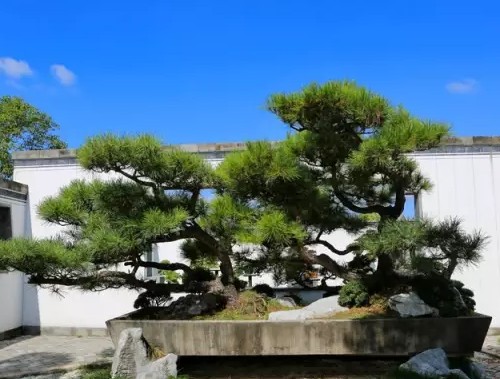
Detailed Explanation of Huizhou-Style Tree Stump Bonsai Shaping Methods
The timing for shaping tree stump bonsai varies depending on the plant species. Generally, spring and autumn are the best seasons, because in spring plants begin to sprout, the branches are relatively soft, and deciduous plants have not yet grown leaves, making shaping operations easier; in autumn, plants have completed their growth cycle, and deciduous plants have already shed their leaves and are preparing for dormancy, which is equally suitable for shaping.
-
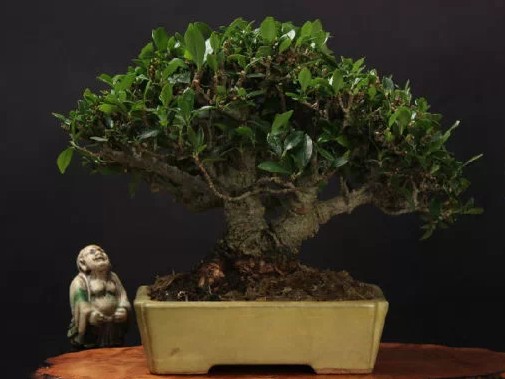
How to prune tree stump bonsai? Detailed explanation of the correct method
Pruning of tree stump bonsai is generally carried out after the basic shape has been formed by wiring, and includes flat pruning, selective pruning, and so on. But there are also styles shaped purely by pruning methods, such as the Lingnan school of bonsai, which is shaped by the pure pruning method of growing branches and truncating the trunk. This is influenced by the chicken-claw branch and deer-horn branch forms in Chinese painting techniques.
-
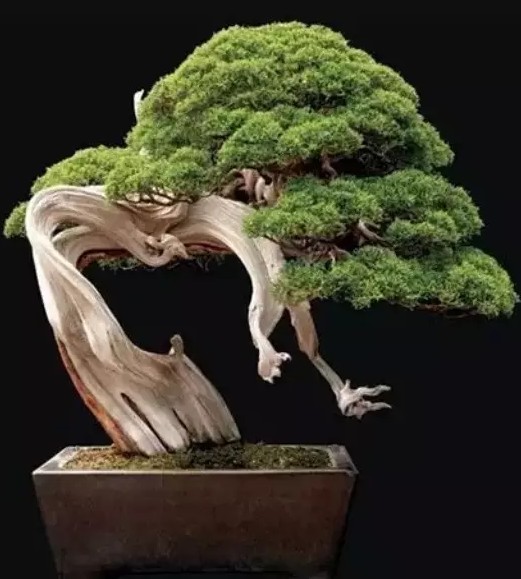
The natural beauty of tree bonsai is worth savoring in detail
Appreciating the beauty of bonsai is like appreciating any other art: opinions always vary from person to person. Bonsai uses natural trees, rocks and stones as its main materials, and since plants have the characteristic of being alive, natural beauty is an important aspect of bonsai beauty. The natural beauty of trees includes the roots, trunk
-
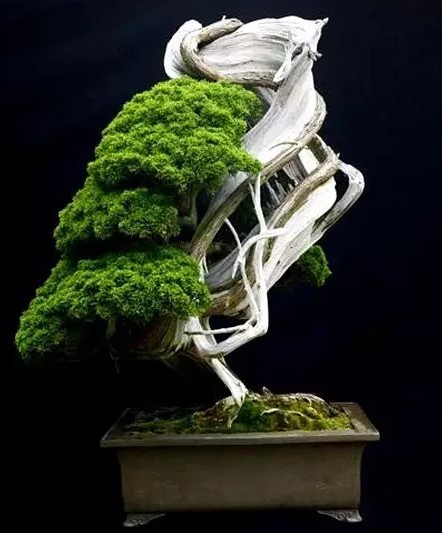
Key Points for Appreciating the Overall Beauty of Tree Bonsai
The main materials of bonsai are themselves natural objects, possessing a natural charm. Among them, plants also have the characteristic of life and can present different scenery as time passes and seasons change. The forms and colors of the roots, trunks, branches and leaves, flowers and fruits of tree bonsai are organically combined to form the overall beauty of the tree scenery.
-
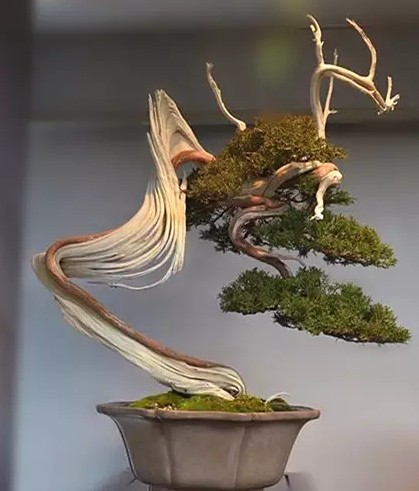
How to appreciate the picturesque beauty of tree bonsai
Although the forms of Chinese bonsai draw their material from natural landscapes and trees, they are not a mechanical imitation of a specific blade of grass, a single tree, a single mountain or a single stream; rather, they highly generalize and distill the scenery of nature's mountains, waters and trees and subject it to artistic processing
-
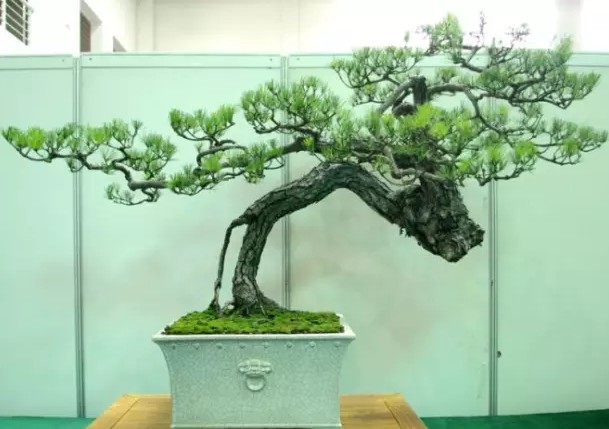
The artistic beauty of tree bonsai is worth savoring carefully.
As a work of art, bonsai must not only possess the beauty of a painted scene but also express a profound artistic conception, so that when people appreciate it, they not only see the scenery but are also inspired by it to feel beautiful emotions, beautiful aspirations and beautiful ideals, thereby producing rich associations and perceiving meaning beyond the scenery.
-
Shaping and Care Techniques for Deadwood (Sharimiki) Bonsai Trees
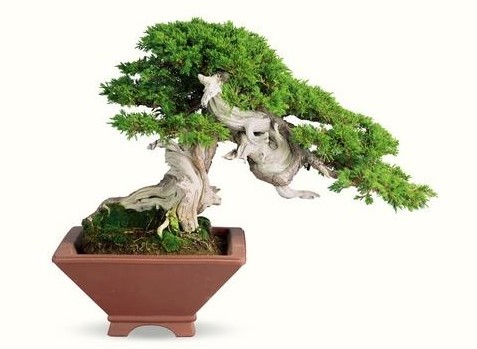
Old trees in nature, battered by lightning, wind, frost, snow, rain, falling rocks and disease, have parts of their bodies withered, their bark peeled away, and their xylem turned into white bone. This naturally formed condition in the wild, where the bark peels off the trunk or the tips of branches, is called a natural "kami"; while the whitening of the xylem on part of the trunk is called "shari."
-
A detailed explanation of the Lingnan bonsai crown-finishing branch method, mastering the key points of tree crown shaping
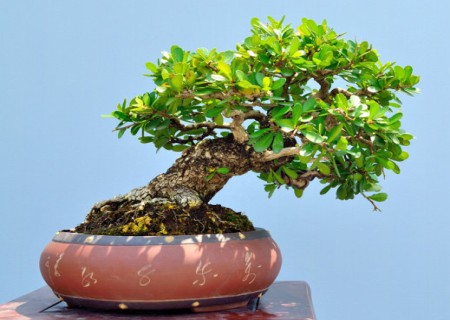
For the crown finishing of a stump bonsai, the traditional left-right-left method can be changed to a spiraling crown finish. This keeps the crown low yet still allows for a rich tree form, giving the bonsai plant a wonderful effect of a thick but low trunk in a specific natural environment. At the same time, it also gives people a fresh, simple and natural feeling
条件筛选