What are the propagation methods for jujube trees? A detailed explanation of common seedling-raising techniques
Jujube is a fruit of the Rhamnaceae family, widely cultivated in hills, plains and other areas of our country. Jujube is rich in nutritional value, such as vitamin C, vitamin P and so on, so the market demand for jujube is also growing. Naturally, the planting area of jujube trees is also getting larger and larger, so how should we propagate jujube trees when planting them? Below, the editor brings you the propagation methods for jujube trees, let's take a look!
1. Root-cutting propagation
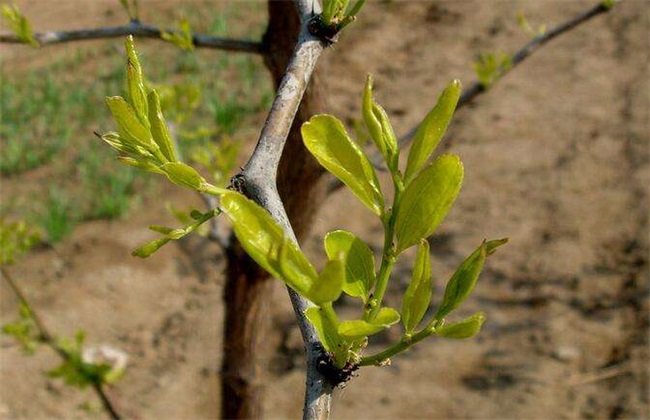
First, we must choose an excellent, robust, high-yielding jujube tree. Before the jujube tree buds, dig a trench about 35 cm wide and about 50 cm deep outside the canopy. Then cut off the roots of the jujube tree that are about 2 cm in diameter, apply an appropriate amount of farmyard manure into the dug trench, and then backfill with soil. When the growing season arrives, you can see the emergence of root-sucker seedlings. Then in the spring of the following year, dig out the root-sucker seedlings, treat them with a rooting agent, and plant them in a nursery for cultivation.
2. Grafting propagation
The grafting methods for jujube trees are generally based mainly on bud grafting and branch grafting. When using grafting propagation, we must ensure that the scion is fresh enough, has sufficient moisture, and shows no sign of dehydration. Cut the scion surface flat, then align the scion with the rootstock, and after connecting them, wrap the graft union tightly with grafting film. During the operation, the speed should be increased as much as possible. After grafting, bury the seedling in soil, water appropriately, and maintain a certain humidity. Then one week before grafting, water appropriately in the rootstock nursery to promote bark separation.
3. Root-cutting propagation
First, just as with root-cutting propagation, choose a good jujube tree first, ensuring the jujube tree has strong growth ability, no pests or diseases, and high yield. Then collect the roots, cut the roots to about 25 cm, keeping the diameter at 2-3 cm, and then store them in a cellar. In the spring of the second year, when environmental conditions are suitable, dig the seedling-raising trench and carry out seedling raising. Insert the root cuttings into the seedling-raising trench at a 45-degree angle, with the aboveground part exposed by about 2 cm, and water promptly after insertion. Also, before cutting, note that the root cuttings should be treated with a rooting agent, and cover with film after insertion.
4. Cutting propagation
Before cutting, first prepare the cutting bed, moisten the sand bed, and control the degree so that holes can be made without collapsing. When cutting, generally make a hole, and at the same time dip the cutting into a rooting agent and insert it. The small hole should be appropriately larger than the cutting to prevent the hole from being too small and causing the rooting agent to be rubbed off, reducing its effectiveness. Cuttings should not be inserted too deep; keeping them at about 3 cm is sufficient. If inserted too deep, it can very easily cause the base to rot, affecting rooting. But it also must not be too shallow, because if too shallow, the cutting is prone to lodging, and the roots are easily exposed, which likewise affects the growth of the cutting. Finally, after cutting, note that the small holes should be pressed tight to increase the contact area between the cutting and the river sand.
The above is a brief introduction to the propagation methods for jujube trees. There are many propagation methods for jujube trees. When planting, we should reasonably choose a good propagation method according to the local environmental conditions and our own planting techniques. That is all for today's introduction. This article is for reference only, and we hope it can help everyone!