-
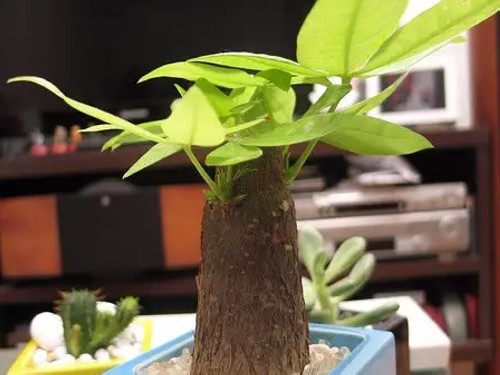
How to Rescue a Money Tree with Root Rot? Detailed Guide to Saving a Potted Plant
The money tree (Pachira aquatica) is a popular potted plant. It can be sown when temperatures reach above 20°C, and the germination rate from seed is quite high. Compared with purchased potted cuttings, a money tree grown from your own seed is easier to care for. Money trees do not like water, and overwatering can cause root rot. But the plant shows symptoms rather slowly
-
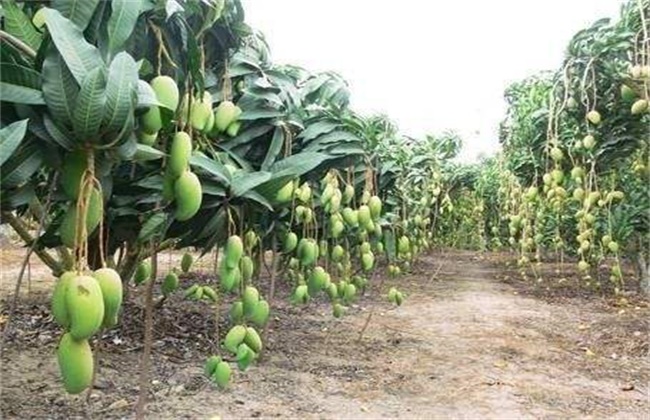
Detailed Explanation of the Reasons and Methods for Root Cutting in Mango Trees
Reasons and Methods for Root Cutting in Mango
-
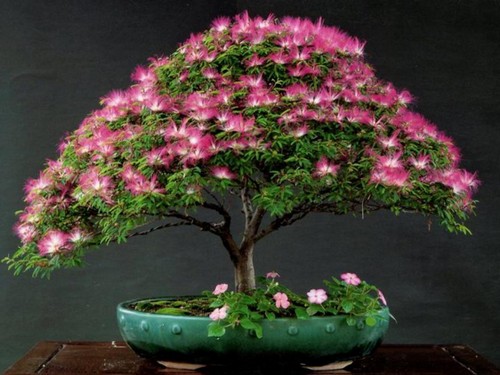
Detailed Guide to the Care and Management of Silk Tree Bonsai
Silk tree, also known as Persian silk tree, pink silk tree, or mimosa-like tree, is a type of deciduous tree. It is also grouped with the love pea plants, as it is associated with longing. Its trunk is relatively straight, the bark is grayish-brown, the branches are fairly long, and the crown spreads open like an umbrella. The crown and branches curve from the side in the distance. The leaves are alternate and bipinnately compound, with 4 to 12 pairs of pinnae.
-
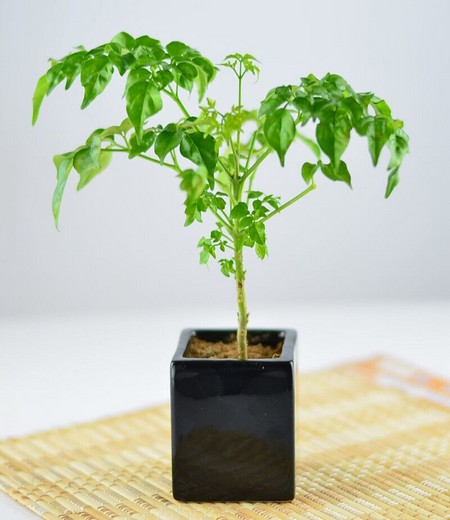
Cultivation Methods and Care Tips for the Happiness Tree Bonsai
Because of its auspicious name, the Happiness Tree (Radermachera sinica) is deeply loved for homes and office environments, especially since it has lush foliage, small emerald-green leaves and is highly ornamental. It can also absorb harmful substances in the air and has an anti-radiation effect, giving you back a healthy working and home environment. So how do you grow a Happiness Tree?
-

Which tree stumps on the mountain can be used to make bonsai?
Bonsai is one of the traditional arts originating in our country. It generally uses plants and rocks as basic materials, and is an art work applied in flower pots as a natural landscape for people to appreciate. Because different bonsai often have different modeling effects, their expression techniques and artistic presentation forms are also different.
-
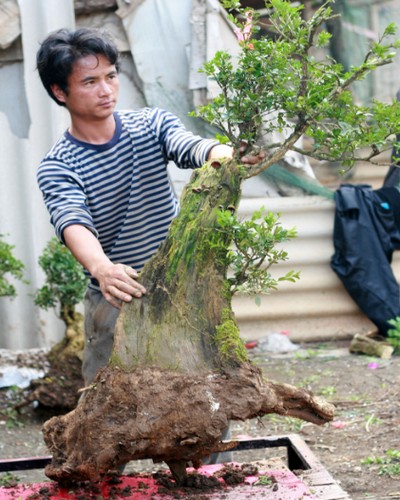
What are the methods and precautions for collecting bonsai trees in the wild?
The classification of tree-stump bonsai should include wild-collected stumps and nursery-grown seedlings. The former refers to bonsai made from wild-collected stumps, whose main characteristic is aged and antique simplicity; the latter refers to bonsai made from artificially cultivated seedlings, whose main characteristic is a rigorous layout. The two should not be confused. When collecting tree stumps in the wild, first do the preparatory work before digging.
-
Mushroom Fertilization Methods and Tips for Caring for Potted White Orchid Tree (Michelia alba) at Home
Tips for Caring for Potted White Orchid Tree (Michelia alba) at Home
-
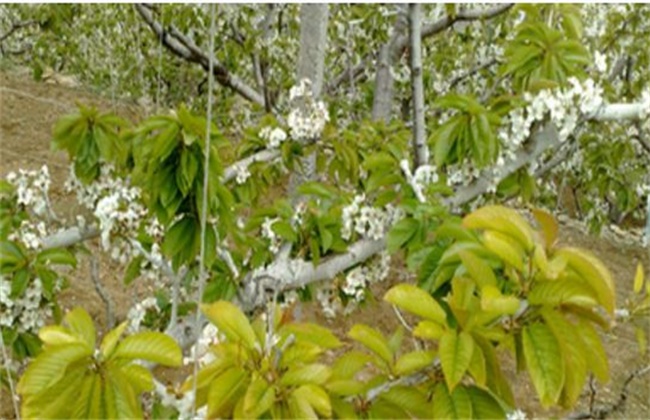
Causes of Yellowing Leaves on Cherry Trees and How to Prevent and Treat Them
Causes of Yellow Leaves on Cherry Trees and How to Prevent and Treat Them
-
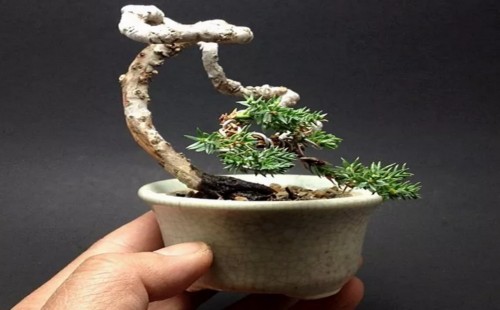
How do you make a miniature tree stump bonsai? A detailed production method for you
Tree stump bonsai is a living work of art, often with graceful forms and distinct personality traits, a perfect expression of beauty no matter how you look at it, with many aspects worth savoring. The miniature tree stump bonsai is, as it were, a condensed version of tree stump bonsai, yet it can carry on and inherit the fine characteristics of the former
-
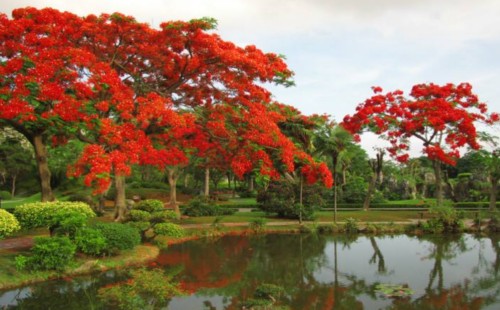
Can flamboyant trees be grown in the north? A feasibility analysis
The flamboyant tree (Delonix regia) has a graceful form, with red flowers and green leaves, and holds extremely high ornamental value. It is often used in urban landscaping and beautification, with very good results. But the flamboyant tree cannot be grown just anywhere; it also has certain requirements for its growing environment. Because our country is vast
条件筛选