-
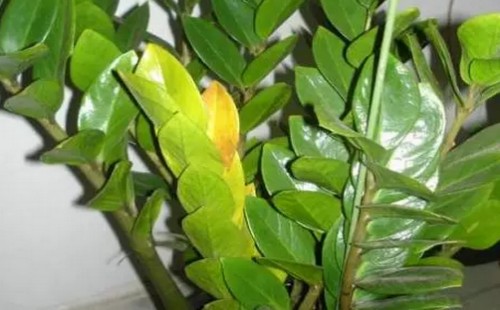
Causes and Solutions for Yellowing and Wilting Leaves of the Money Tree
The money tree (Zamioculcas zamiifolia) has verdant, drippingly lush foliage and is a relatively rare foliage plant with underground tubers, holding extremely high ornamental value. At the same time, when kept as a potted plant indoors, it can also do a great job purifying indoor air. However, during care and management, yellowing and wilting leaves can sometimes inevitably occur.
-
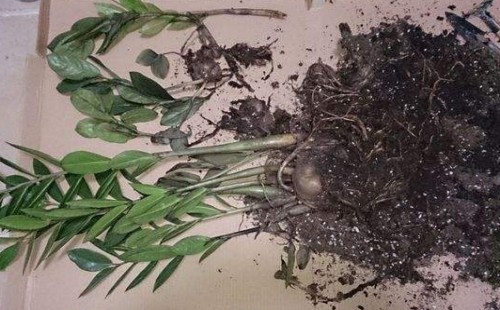
How to save a money tree with root rot? A few practical methods
For enthusiasts who like growing money trees in pots, sometimes improper care and management inevitably lead to rot in the plant's roots and stems. To save the plant, targeted and timely measures are often needed. How do you save a money tree with root rot? During the rescue process, handling the roots is crucial
-
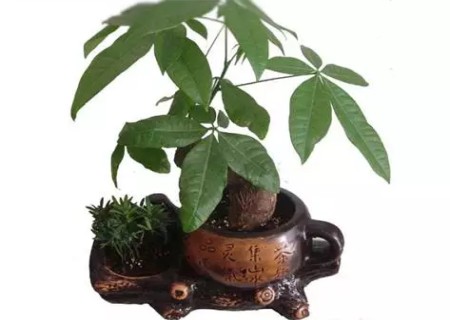
How to care for a money tree in winter so it survives the cold safely?
The money tree is an evergreen foliage plant that people praise as a symbol of good fortune and wealth, so it is deeply loved by everyone. Grown as a potted plant, it is generally fairly easy to care for, but its cold tolerance is not strong enough. Deep winter has now arrived, so the editor will share with you how to care for a money tree in winter! Actually
-
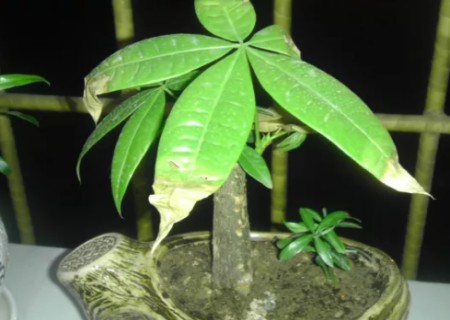
What to Do If Your Money Tree Gets Frostbite? Teach You the Correct Remedial Methods
It is now deep winter, and many plant enthusiasts are worrying about frostbite appearing on their money trees (Pachira aquatica). Indeed, after all, the money tree does not have strong cold resistance. If winter care and management work is not done properly, it can easily lead to frostbite, and in severe cases, it may even freeze to death! Frost damage in money trees
-
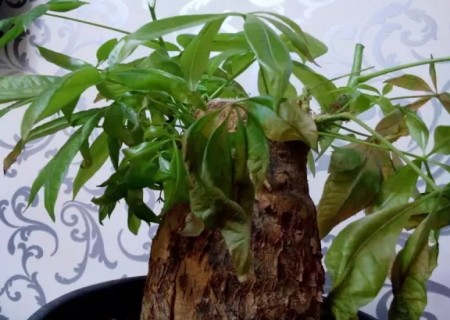
What to Do When Pests Appear in the Roots of a Money Tree? Practical Solutions
Everyone thinks the money tree (Pachira aquatica) is both beautiful and brings a touch of greenery to the home. It is an excellent potted plant, and it is also fairly easy to care for. So many plant enthusiasts get a bit casual with their care. Little do they know that it may be your own carelessness that often causes your beloved plant to develop pests and diseases.
-
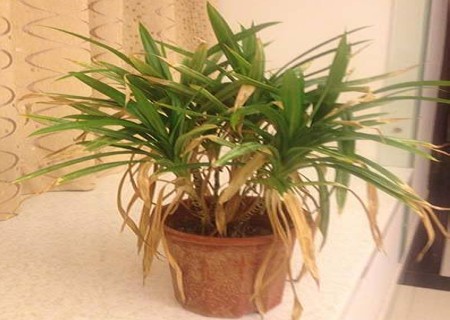
What to Do When a Dragon Tree Has Root Rot? Learn the Correct Way to Handle It
When you notice the leaves of your potted dragon tree drooping and wilting, you may not realize that the plant's root system inside the pot has already rotted. So, what causes root rot? In fact, most potted plants develop root rot due to overwatering, poor drainage in the pot leading to prolonged moisture, and water accumulation.
-
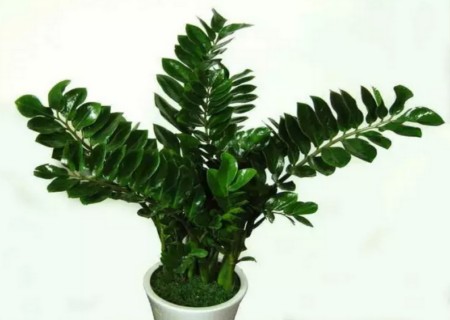
How do you care for a potted money tree so it grows lush and full of branches and leaves?
The money tree (Zamioculcas zamiifolia) carries the meaning of good fortune and prosperity, gathering wealth and bringing blessings, so it is very suitable to keep it as a potted plant in an indoor living room. This not only boosts the wealth energy in the home and serves to attract wealth and treasure, but can also absorb substances harmful to the human body. So, do you know how to care for a potted money tree with such uses?
-
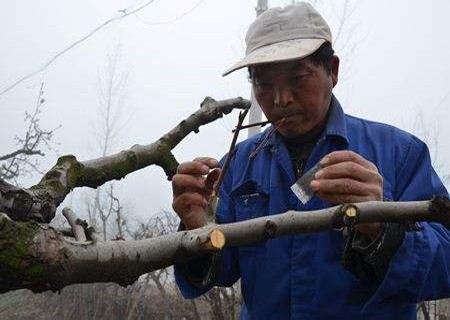
Management Methods and Technical Key Points After Grafting Pear Trees
Grafting is the artificial joining of tissues such as a branch or bud from one plant onto a suitable part such as a branch, trunk or root of another plant, so that they heal and grow together to form a new plant. This branch or bud is called the scion, and the plant that bears the scion is called the rootstock. Grafting is indicated by the symbol +
-
How to handle poor healing from girdling in pear tree grafting
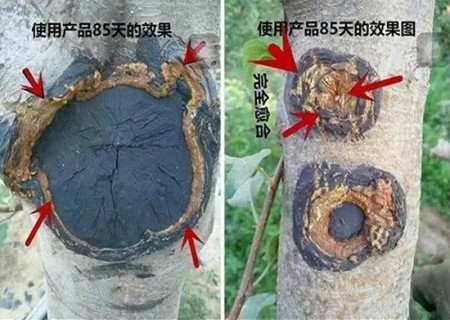
Pear trees are generally girdled on the main branches, lateral branches and water sprouts. When girdling, it is best to make 2-3 spiral cuts around the branch. When girdling, the width of the bark strip removed must be strictly controlled, and the xylem must not be damaged; the width should be kept within 1/10 of the branch diameter, and no wider than 1.0 cm at most. It should be done from May to July; doing it too late is not conducive to wound healing
-
A Detailed Guide to the Correct Method of Repotting and Changing Soil for Fruit Tree Bonsai
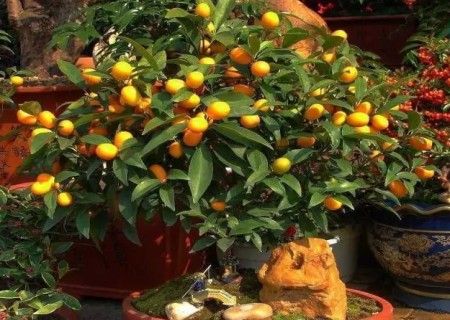
To ensure fruit trees retain high ornamental value every year, the repotting frequency and timing must be chosen sensibly. If the repotting frequency is too high, the branches will grow vigorously, resulting in fewer fruits forming that year; if the repotting frequency is too low, the nutrients in the potting soil will be exhausted
条件筛选