-
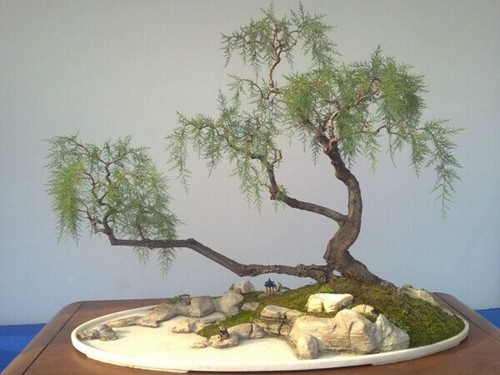
Detailed Explanation of the Methods and Steps for Making a Tamarisk Bonsai
Tamarisk has fine branches and small leaves, with drooping branches that are graceful and charming, resembling a weeping willow; its trunk is like iron, ancient and peculiar, possessing the quality of pine and cypress; it blooms three times a year with a long flowering period, and the pink flowers cover the branches, making it even more enchanting; its roots are like roaming dragons, with wonderful forms, whether viewing roots, trunks, leaves, or enjoying flowers
-
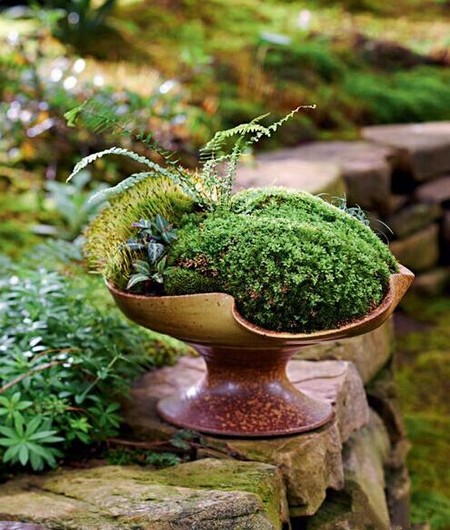
How to make a moss bonsai? You'll get it at a glance with detailed steps
Moss bonsai often performs remarkably when placed on a terrace or wooden deck, and it also does well in the garden, suitable for being half-hidden among hostas and hellebores. When guests come to your home, moving them back indoors for display will be very appealing, bringing greenery to the living space.
-
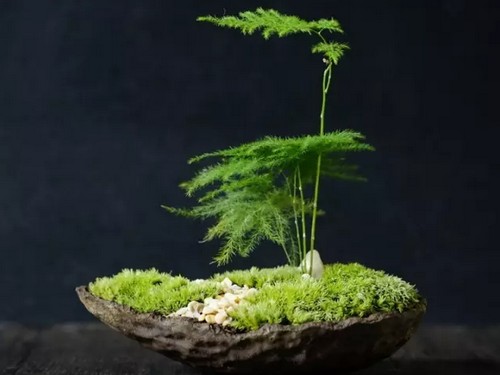
Illustrated guide to making bonsai moss: detailed steps that are easy to understand at a glance
Moss is generally used in bonsai only as a layer spread over the potting soil to retain moisture, but growing moss separately in a water-stone pot and viewing it as a moss bonsai in its own right actually has a distinctive charm. As the saying goes, three parts cultivating the plants, seven parts cultivating the person. Every morning, bend down and feel the primal wild breath together with the moss.
-
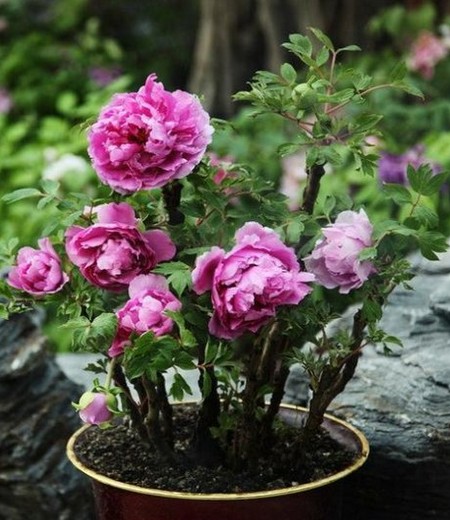
Detailed Explanation of the Making Methods and Steps of Peony Bonsai
Peony bonsai is a newly emerging flowering bonsai category. It combines the magnificent peony with the rustic and elegant art of bonsai, forming an artistic form with a unique Central Plains local style, and has been praised by experts and scholars in China's bonsai circles.
-
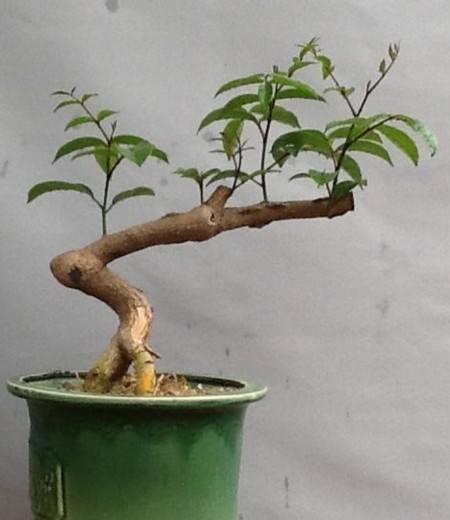
How to make a Zanthoxylum nitidum bonsai? The method and steps explained all at once
Zanthoxylum nitidum is named because both sides of the leaf midrib bear thorns. It is a traditional Chinese medicinal herb with effects such as clearing heat and detoxifying, commonly known as Liangbeizhen and Rudijinniu, and is an evergreen vine of the Rutaceae family. Because Zanthoxylum nitidum has excellent plant characteristics such as a graceful tree form, evergreen foliage throughout the year, tolerance to transplanting, and ease of survival
-
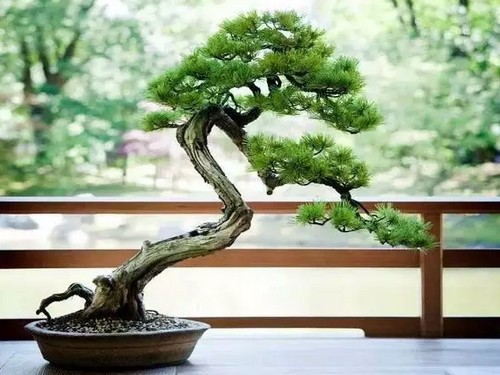
Detailed Guide to the Methods and Steps for Making Pine Bonsai
Among the arts, bonsai is one of the finest examples of Eastern art rich in natural charm, and it is also a unique traditional art of our country. Through artificial techniques, people take trees from nature through cultivation, pruning, wiring, shaping and other processing, carefully nurture them, and then combine this with our artistic methods to truly make them into elegant, extraordinary
-
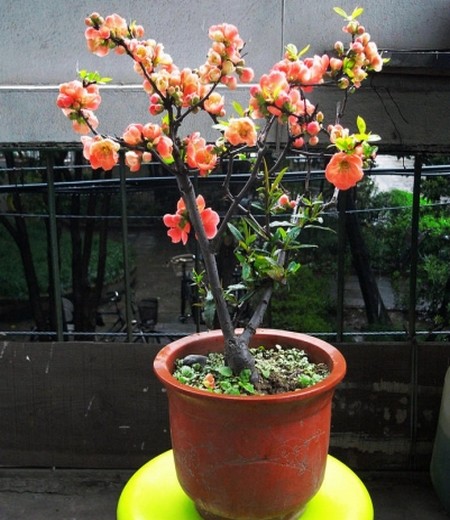
Detailed Explanation of the Production Method and Steps for Chaenomeles speciosa Bonsai
As a unique ornamental tree, Chaenomeles speciosa (flowering quince) dots the gardens and green spaces, a spot of red amid a myriad of greenery - that is probably the kind of beautiful scene it creates. It is colorful and varied, never tiring to look at, and the viewing process is a joy in itself. Its bonsai is usually placed in halls and leisure venues
-
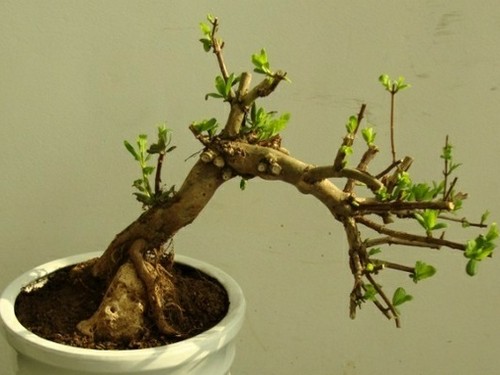
How to make a honeysuckle bonsai? Detailed method and steps
Honeysuckle is a temperate and subtropical tree species. It likes sun but also tolerates shade, tolerates cold, tolerates drought and moisture. It is not demanding about soil and can adapt to both acidic and alkaline soils, but prefers loose, fertile neutral sandy loam. It is vigorous, has a well-developed root system, strong sprouting ability, a light plant body, and a graceful posture, and old stumps are quaint and elegant.
-
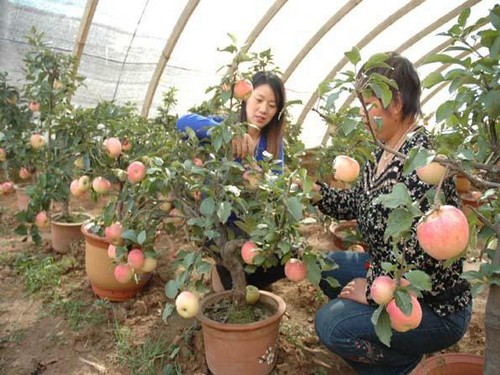
How to Make an Apple Bonsai and Detailed Steps
Apples are delicious and tasty, and are one of the fruits commonly eaten in daily life. Their skin is smooth and their colors are bright. Besides being eaten, they can also be used to make bonsai. For making bonsai, choose apple varieties with small plants, early fruiting, strong self-pollination and fruit-setting ability, medium fruit size, and bright colors.
-
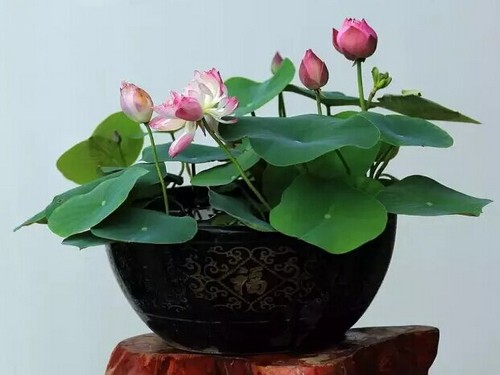
Detailed explanation of the method and steps for making a lotus bonsai
As midsummer arrives, lotuses reach their best viewing period. This year, potted lotus bonsai are also selling briskly on the market, opening up a new path for local farmers to become wealthy. It is reported that lotuses begin to sprout every year after Qingming Festival, bloom in June, and continue until September. Potted lotuses can be used for viewing and the lotus seed pods can also be picked.
条件筛选