-
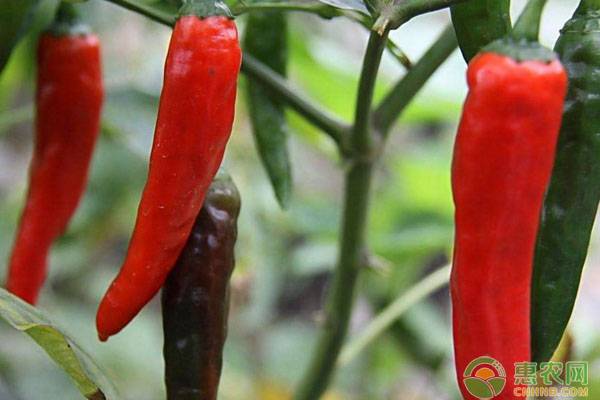
How do you grow peppers from seed? Just follow these six steps and you can't go wrong!
How do you grow peppers from seed? Just follow these six steps and you can't go wrong!
-
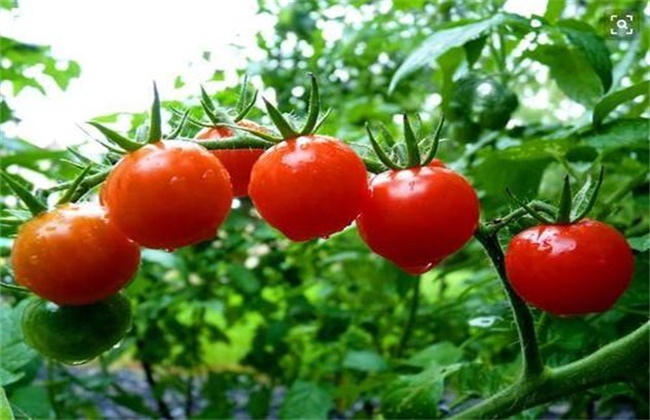
A detailed guide to tomato planting and management steps, mastering the whole process in one article
Tomato planting and management steps
-
-
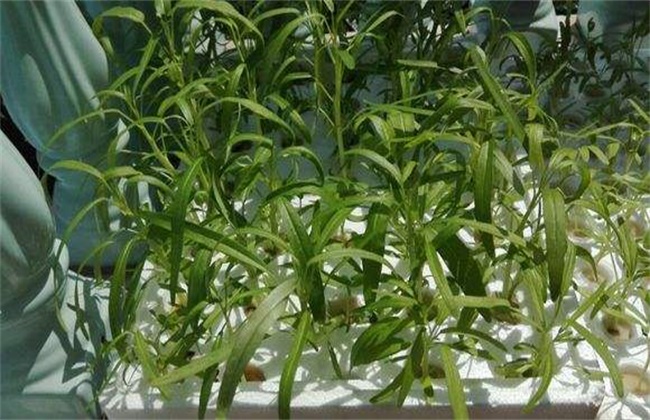
Detailed Explanation of Water Culture Planting Methods and Steps for Water Spinach
Water Culture Methods for Water Spinach
-

Detailed explanation of potato crispy candy slice processing technology, master all steps and methods
1. Selecting potatoes and slicing: Choose fresh potatoes weighing 50-100g with no pests or diseases, wash the soil off the skin, then place them in a 20% alkaline solution and stir constantly with a wooden stick to peel them. After all the skin has come off, scoop them out, rinse once, and drain for later use. For slicing, cut into diamond-shaped or triangular thin slices 1-2mm thick as needed; after cutting, immediately soak them in clean water to prevent the starch on the surface from discoloring. 2. Boiling and drying: Scoop out the cut slices soaked in water and put them into boiling water to cook. When they are 80% cooked, immediately turn off the heat and dry them. In this step, you must master
-
Detailed Explanation of the Key Technical Steps for High-Yield Cultivation of Plastic-Film Mulched Potatoes
Plastic-film mulched potatoes have the characteristics of early sowing, high yield, early marketing, and high benefit. Developing plastic-film mulched potatoes is of great significance for enriching the vegetable supply of urban and rural people and increasing farmers' income. 1. Deep plowing and land preparation, storing enough subsoil moisture. The formation and expansion of potato tubers require a deep, loose, and moist plow layer. 1. Land selection: It is advisable to choose loam or sandy loam with deep soil layers and medium or above fertility, rotate with legumes and cereal crops, and avoid continuous cropping with solanaceous crops and root-tuber crops. 2. Deep plowing: After the previous crop is harvested, deep plow in time.
-
Processing Method and Detailed Steps for Sweet and Sour Garlic
The processing of sweet and sour garlic includes raw material selection, peeling, salting, changing vats, sun-drying, ingredient preparation, pickling and packaging. For the raw material used to process sweet and sour garlic, garlic bulbs that are neat and plump, with white skin and fresh, tender flesh should be selected. They are graded and sorted, that is, 20 bulbs per kilogram for the special grade, 30 bulbs per kilogram for Grade A, and more than 30 bulbs per kilogram for substandard. Peeling: use a knife to cut off the roots and stems, peel off the garlic skin wrapped around the outside of the bulbs, wash clean in clear water, and drain off the water. Salting: according to the ratio of 100kg fresh garlic bulbs to 10k salt
-
Production Process and Detailed Steps for Making Soy-Sauce Garlic
Garlic is the bulb of plants in the genus Allium of the lily family (commonly known as "garlic head"). Every 100 grams of fresh garlic contains 4.4 grams of protein, 0.2 grams of fat, 23 grams of carbohydrates, 0.2 grams of crude fiber, 1.3 grams of ash, and 70 grams of water, and also contains calcium, iron, phosphorus, thiamine, riboflavin, nicotinic acid, ascorbic acid, and selenium, among others. In addition, garlic also contains substances that kill bacteria, treat disease, promote health, and prevent cancer, and has relatively high physiological and medicinal value. When garlic is used to prevent and treat disease, it is mostly effective only when eaten raw, but after a brief dormancy garlic does not store well,
-
Processing Method and Production Steps for Garlic Preserves
Garlic is an indispensable condiment in people's daily lives. It is rich in nutrients and can aid digestion, dispel cold phlegm, invigorate yang qi, and neutralize water toxins, among other benefits, and has high dietary therapeutic value. The processing technique for garlic preserves is as follows: 1. Material selection: Select mature, dry garlic with no insect damage, no mold, and with intact garlic skin. 2. Separation and removal of inner skin: Process the selected garlic heads into individual cloves, removing the outer skin and the garlic column. 3. Rinsing: Pour the garlic cloves into a large vat and soak them in clean water. The rinsing time is 6
-
Eight steps for meticulous pre-winter management of garlic
Land preparation and fertilization. Choose fertile loam or sandy loam soil where onions, garlic or Chinese chives have not been grown before. Before ploughing, apply 7500 kg of high-quality farmyard manure and 200 kg of soybean cake per 667 sq m. Or apply 100-150 kg of ternary compound fertilizer and 5000 kg of farmyard manure per 667 sq m. The land should be levelled and harrowed fine. Along with land preparation, use 1.5-2.5 kg of phoxim granules per 667 sq m, mix with an appropriate amount of wheat bran and soybean cake to make poisoned bait, and scatter it into the soil clods of the ploughed land to kill white grubs, wireworms, mole crickets and other underground pests.
条件筛选