-

Detailed Explanation of the Production Process and Steps of Mushroom Flour Paste
Mushroom flour paste is yellowish-brown, glossy, fresh and sweet in taste, moderately salty, and has a distinctive mushroom aroma. 1. Raw material ratio: mushroom by-products (substandard mushrooms, broken mushrooms, mushroom fragments) 30 kg, flour 100 kg, salt 3.5 kg, five-spice powder 200 g, saccharin 100 g, sodium benzoate 100 g, citric acid 300 g, water 30 L. 3. Key production points (1) Making dough pellets: add 30 L of water to 100 kg of flour, mix evenly, knead into thin long strips, cut into broad bean-sized pieces
-
How to fertilize mushrooms? These 8 steps must be mastered
During mushroom production, generally after three harvests, the nutrients in the compost decrease, the acidity rises, the vitality of the mycelium weakens, and the yield and quality decline. To achieve high quality and high yield of mushrooms, supplementary fertilization must be carried out. The specific methods are as follows: 1. Take rotted pig and cow urine, boil for 20 minutes, filter, then spray diluted with 10 to 20 times clear water, and after spraying, spray once more with clear water. 2. Take rotted and sun-dried straw, add 100 times clear water and boil into a liquid, and spray after it cools, which can make mushrooms robust. 3. When mushroom yield drops sharply, clean
-
Detailed processing method for soy-sauce-flavored oyster mushrooms, with production steps
Select oyster mushrooms at 7-8 maturity, remove the mushroom stems, and wash clean. Using a ratio of 5 kg salt per 100 kg fresh mushrooms, place them in a vat and salt-cure for 3 days, then take them out, drain off the brine, add 10 kg salt to the vat and cure again, take them out after 7-10 days, drain off the brine, then add an appropriate amount of salt for a third curing. At this point the brine has reached 22 degrees Be, becoming a salted base that can be stored long term. Soak every 100 kg of salted base in 400 kg clean water for 8 hours, take out, drain off the water, soak in light fragrant sweet sauce for 8 hours, remove, and drain
-
Three key steps must be done well during the dehydration of shiitake mushrooms
Timely harvesting is the foundation for the bright color of the finished mushrooms. One of the main reasons shiitake mushrooms change color during drying is that the mushroom bodies are injured before drying. To overcome this shortcoming and enhance the resistance of the mushroom bodies to external pressure, timely harvesting is very important. When the veil has fully split and the cap has curled upward like a copper gong, they should be harvested. Do not spray water within 2 hours before harvesting. Use the "twist-harvest method" to pick them. After harvesting, handle them gently, remove debris and stems, and immediately send them to the nearest dehydration room for dehydration. Generally, from harvest to entering the drying stove, the distance should preferably not exceed 5
-
How to store dried shiitake mushrooms? These four steps you need to master
1. Choose appropriate packaging materials: Choose packaging materials with good moisture resistance, airtightness and sturdiness. At present, it is best to choose polyethylene as the inner packaging and a thick cardboard box as the outer packaging. Polypropylene can also be used as a packaging material, but polyvinyl chloride must not be used, to prevent chloride ions from penetrating into the shiitake mushrooms. 2. Place desiccant: In the container used for sealed storage of dried shiitake mushrooms, place desiccants such as quicklime, anhydrous calcium chloride or silica gel (after packaging treatment), which can prevent the dried shiitake mushrooms from absorbing moisture and becoming moldy, and stop oxidation reactions from occurring. 3. Store at low temperature away from light: sealed
-
Five key steps to focus on in autumn mushroom production
In autumn mushroom production, especially in the early autumn stage, there are many limiting factors, and compared with winter production, the success rate is often lower. In fact, this is also the main reason why fresh mushrooms are expensive in autumn. Therefore, mushroom growers are especially reminded: in this year's mushroom production, especially at large-scale production bases, operations should be stricter, precautions should be taken, and management should be scientific to ensure smooth production. In actual production, the following "five passes" should be mainly monitored. Substrate ratio and nutrition pass
-
Detailed Explanation of Six Key Steps for Autumn Production of Edible Fungi
Qu Five: Casing soil materials, prepare in advance 1. Peat soil: As a casing soil material for edible fungi, this peat soil has the best application effect in production; however, domestic resources of this kind are relatively scarce and unevenly distributed, mostly concentrated in Northeast China and other regions. As a resource, its cost plus transportation greatly increases production costs. At present, the sales price of peat soil in the Shandong region (Jinan land price) is about 470 yuan per ton; taking the button mushroom as an example, based on an increased cost of 7 yuan per square meter of bed surface, a yield increase of 30
-
How is lion's mane mushroom processed? A detailed explanation of methods and steps
After the lion's mane mushroom (Hericium erinaceus) has grown to marketable size and is harvested, promptly place the fruiting bodies on a well-ventilated bamboo curtain to sun-dry, or string them together with thread and hang them in a ventilated, sunny spot to air-dry; if rainy weather occurs and the harvest is large, they should be dried over a fire pit (kang) using low heat. However, care should be taken to keep the spines intact so as not to reduce the product quality. Once thoroughly dried, they can be sealed in plastic bags for storage. They can also be preserved by soaking in brine; the method is: trim off the bitter-tasting stem base of the fresh lion's mane mushroom, wash clean with water, remove impurities, place in 0.1% citric acid water and boil for about 10 minutes, then remove
-
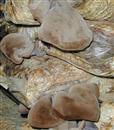
Detailed Explanation of Wood Ear Mushroom Inoculation Techniques: Master the Key Operational Steps
There are many raw materials suitable for bag cultivation of Auricularia polytricha (hairy wood ear), such as mixed wood sawdust, cottonseed hulls, broken cottonseed, bagasse, mulberry branches, cassava stalks, rice straw, soybean stalks, peanut vines, and so on. Except for mixed wood sawdust, cottonseed hulls, broken cottonseed, and bagasse, the remaining raw materials must be crushed into powder before they can be used for production. The bag cultivation process for Auricularia polytricha is similar to that for golden needle mushroom (Flammulina velutipes) bags...
-
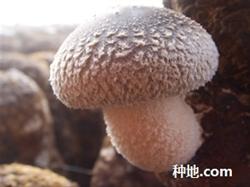
How to inoculate shiitake mushrooms? Detailed inoculation method and steps
How do you inoculate shiitake mushrooms? Please guide. 1. Dense inoculation method: increase the inoculation points on the log; the more inoculation points, the larger the colonized area, and the mycelium can penetrate the log in a shorter time. The log mainly exchanges gases with the outside by absorbing and evaporating water; the alternating wet and dry water movement can give the inside of the log sufficient...
条件筛选