-
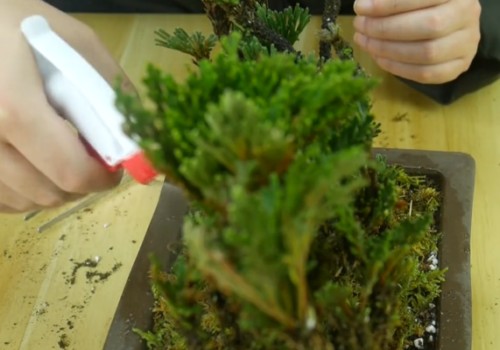
How to make a Selaginella bonsai? Detailed steps to get you started
Selaginella, an evergreen plant also known as "nine-death resurrection grass", has the characteristics of a small plant type, and is also drought-tolerant, shade-loving, and moisture-loving, making it very suitable as a bonsai for viewing. But many bonsai enthusiasts are worried about how to make a good pot of Selaginella bonsai, so how do you make a Selaginella bonsai? Today
-
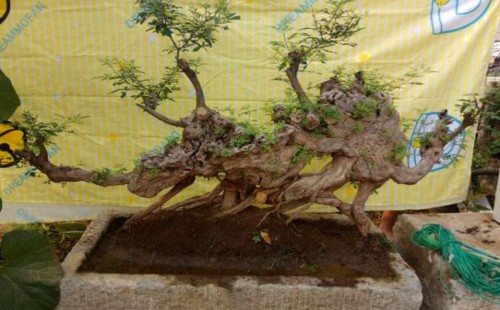
Detailed Explanation of the Production Methods and Steps of Vitex Bonsai
Vitex (Vitex negundo) has characteristics such as liking sunlight but tolerating shade, liking warmth but tolerating cold, liking moisture but not tolerating waterlogging, and liking fertile soil but tolerating poor soil. It is an evergreen tree species. It has peculiar forms, and can be appreciated both for its leaves and its shape, so it is a bonsai tree species with extremely high ornamental value. Moreover, this vitex has strong vitality
-
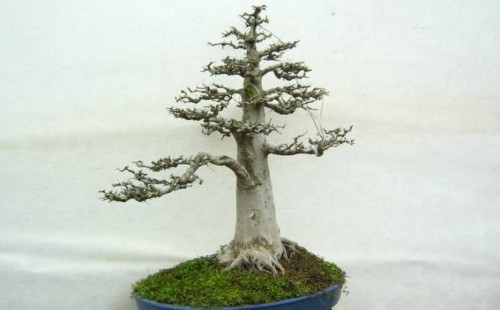
Detailed explanation of the steps for making a formal upright (Chokkan) bonsai
The formal upright style is also a relatively common design in the bonsai-making process. It requires the trunk to be straight and upright, thicker at the bottom and thinner at the top, with the side branches on both sides of the trunk kept flat and extended, while the root system is often exposed around the base yet appears strong and powerful. Viewed as a whole, the lowest branches are the longest and slant downward.
-
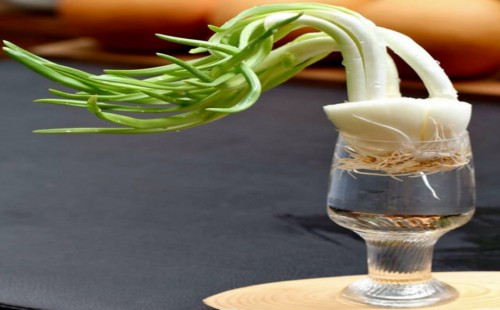
How to Make a Hydroponic Onion Bonsai: Methods and Steps
Onions have a strong, pungent smell, but the food made from them is quite tasty and delicious. At the same time, regularly eating onions can also help promote excretion, regulate blood lipids and blood pressure, and prevent thrombosis. Eating onions regularly can bring many benefits. Not only that
-
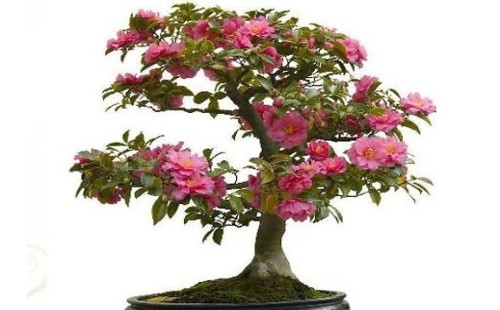
How to make a flowering almond bonsai? Detailed methods and steps
The flowering almond (Prunus triloba) is a common landscaping tree species, often serving to improve the ecology and beautify the environment. Not only that, the flowering almond can also be made into a bonsai for viewing! If you place a pot of flowering almond bonsai in your home, it can often bring a unique charm to the environment. So
-
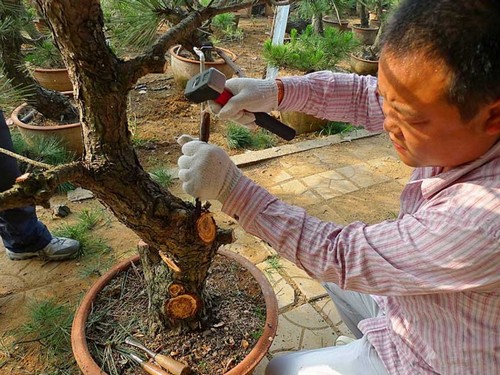
How to transplant a black pine bonsai? Detailed methods and steps
"A hundred-zhang pine in the forest, its gray scales wrinkled with age" - this is a line from a poem by the Song Dynasty writer Su Dongpo praising the posture of the pine tree. The black pine bonsai has strong adaptability to the environment and can be grown in courtyards or on balconies. Its branches spread horizontally, its crown is like a canopy, its needles are deep green, its winter buds are silvery white, it stays green all year round, and its tree form is ancient and elegant, making it enjoyable throughout the year. During the growing period
-
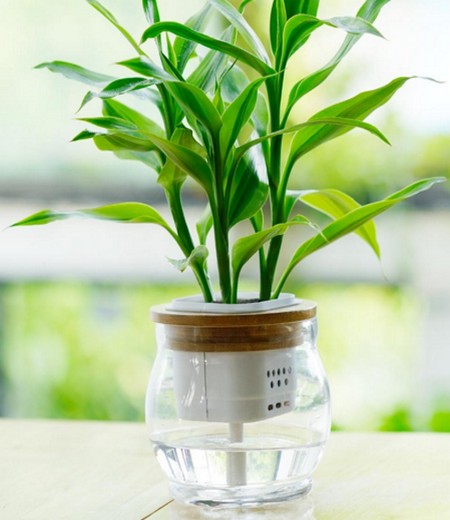
Lucky Bamboo Planting Methods and Steps Explained in Detail
If lucky bamboo is grown as a commercial ornamental, a cultivation height of 80-100 cm is appropriate. It is mostly cultivated in gardens and nurseries, prefers shade and humidity, and has thick stems and leaves. Its varieties include green leaves, green leaves with white edges (called silver edge), green leaves with yellow edges (called golden edge), and green leaves with a silver center (called silver heart). It is mainly used as a potted ornamental plant, and its stem nodes resemble bamboo but it is not bamboo.
-
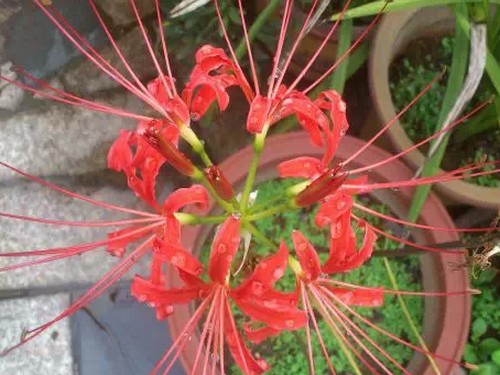
Detailed Explanation of the Planting Methods and Steps for Red Spider Lily
For a long time, Chinese decorative styles have mainly emphasized dignity and elegance, with a stress on the beauty of symmetry. In terms of color, red and black are the most prominent, and these two colors give a rich and mature feeling full of substance. Placing red spider lilies in the home creates a distinctive charm.
-
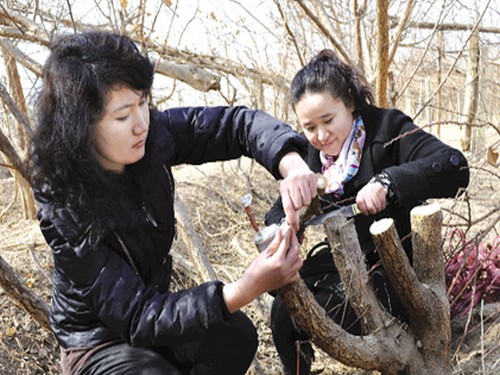
A Detailed Guide to Apricot Tree Grafting Techniques: Methods, Steps and Precautions
In recent years, with the advancement of the apricot hot-air drying room project in the three prefectures of southern Xinjiang, the enthusiasm of the people of southern Xinjiang for growing apricot trees has been rising higher and higher. The villagers of Suyitika Village, who have grown apricot trees for many years, are also seizing this opportunity to vigorously develop the apricot industry, but the villagers are now in urgent need of apricot tree grafting techniques.
-
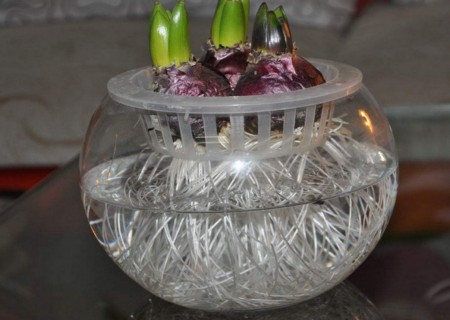
How to water-culture hyacinth bulbs? Detailed methods and steps
Hyacinth is one of the famous flower varieties, and also a flower variety quite suitable for water culture. Hyacinths give people a light and fresh feeling, and using them to decorate the home makes it even cozier. Water-cultured hyacinth is one of the easiest flowering varieties to grow among water-cultured flowers. Because the main source of nutrients for hyacinth blooming is the bulb
条件筛选