-
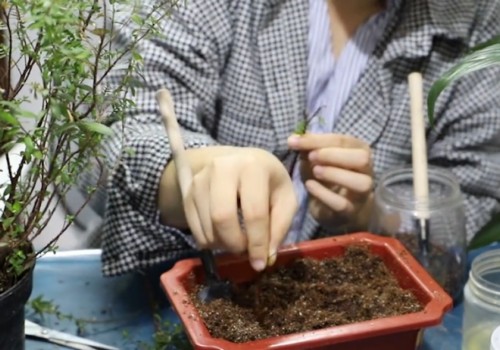
Detailed Guide to Gypsophila Cuttings Propagation Methods and Steps
Gypsophila (baby's breath) stays evergreen all year round, with delicate flowers and leaves and an exceptionally long blooming period. It brings a fresh, light feel while also being pleasing to the eye. Grown as a potted plant, its ornamental value is very high. It is often propagated by sowing, cuttings, division and other means. By comparison
-
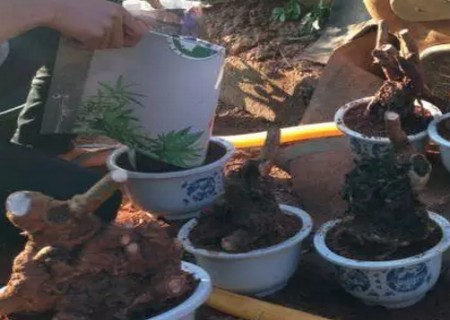
Detailed Explanation of the Transplanting Methods and Operation Steps for Collected Bonsai Deciduous Trees
Collected trees, that is, wild tree stumps dug from the mountains, used as bonsai material. Generally, such material possesses a strange, perilous, quaint and elegant effect that is very difficult to achieve by artificial means. Perhaps your firewood is someone else's bonsai material. Based on my more than ten years of understanding of bonsai stump transplanting
-
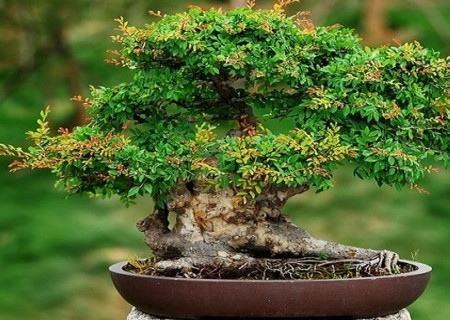
How do you repot a elm bonsai? Detailed methods and steps
Elm bonsai, especially Chinese elm (Ulmus parvifolia), has a graceful tree form, an elegant and unrestrained posture, mottled bark, and twisted trunks and branches. When the new leaves first emerge, the whole tree is tender green and has high ornamental value. Moreover, after leaf fall in autumn it can be appreciated as a cold-season tree, and it is an excellent ornamental tree species in gardens. In the south, Chinese elm is mostly grown as bonsai
-
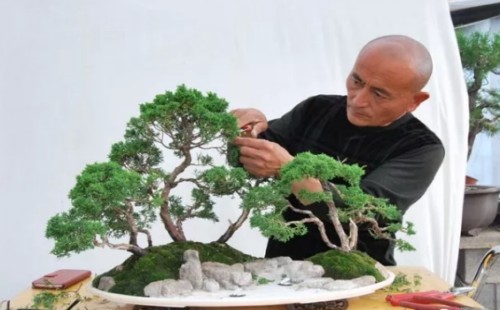
Detailed Explanation of the Basic Steps for Making a Water-and-Land Bonsai
Bonsai is not only an art but can also be understood as a kind of artwork, and the water-and-land bonsai is one of its important forms of expression. The water-and-land bonsai is mostly a bonsai display created by combining trees and rocks; its thematic expression is relatively broad, and its landscaping is rich, allowing it to perfectly present the feeling of nature.
-
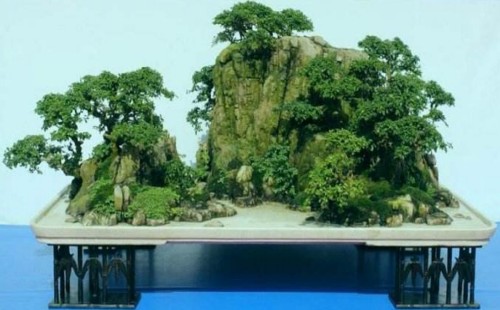
Detailed explanation of the steps for making a landscape bonsai, creating the "Fishing Alone in the Cold River Snow" scene
A landscape bonsai can be set up outdoors for viewing or placed indoors for appreciation, but before making it we must first clarify what theme the creation is meant to express, then conceive it according to the preliminary artistic effect, and then choose materials such as stones, plants, and even accessories
-
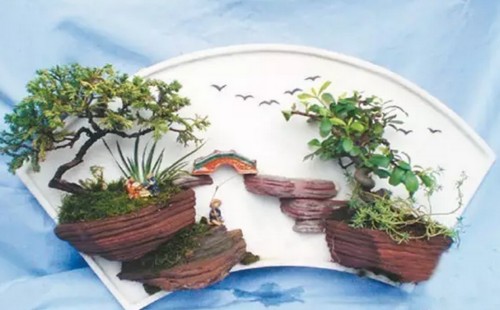
Detailed Explanation of How to Make a Wall-Mounted Bonsai and Its Steps
A wall-mounted bonsai is a bonsai style laid out according to vertical requirements. It can either be hung up or embedded in a wall, and it often plays a very good role in decorating and beautifying the environment. It can be described as a vivid three-dimensional painting. To improve its ornamental value and artistry
-

How to repot a miniature bonsai? Detailed correct method and steps
Repotting a bonsai is mainly done to improve the growing space for the plant's roots, so that the roots do not develop problems due to limited space, and after repotting new nutrients can be added, thereby better promoting plant growth. Not only do ordinary bonsai need regular repotting, even the seemingly very delicate miniature bonsai also need timely repotting
-
Five key steps for winter care of clivia, and methods for preventing and controlling edible fungus pests and diseases
Five key steps for winter care of clivia
-
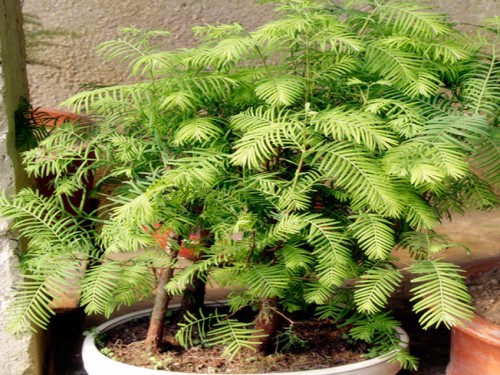
Correct methods and detailed steps for repotting a dawn redwood bonsai
The dawn redwood (Metasequoia glyptostroboides) is a "living fossil" tree species, with a straight, tall, upright trunk, a magnificent tree form, and emerald-green foliage that turns golden yellow in autumn. It is an autumn-foliage ornamental tree and a famous courtyard ornamental tree. It can be grown as a dawn redwood bonsai for appreciation, and can also be planted as a specimen, in rows, or in groups in parks, courtyards, lawns, and green spaces. The dawn redwood can also be planted in large stands to create scenic forests
-
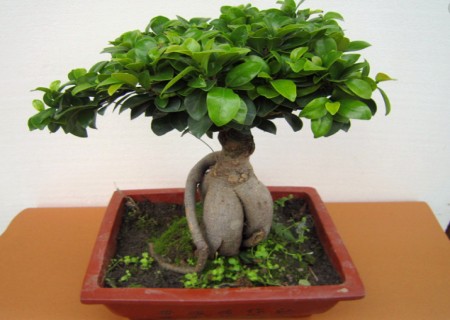
The Correct Method and Detailed Steps for Repotting a Ficus Bonsai
Ficus bonsai generally need repotting once every 2 years, and the timing for repotting is generally set after the ficus enters dormancy, that is, the two periods of early spring or late autumn. When repotting a ficus, the potting soil should be adjusted; a suitable amount of fully decomposed organic matter can be added to the potting soil
条件筛选