-
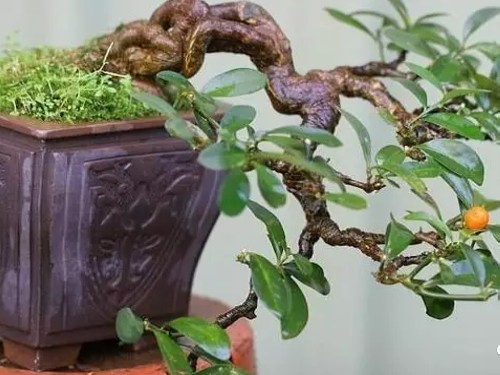
Detailed Guide to the Production Methods and Steps of the Fortunella hindsii Bonsai
Fortunella hindsii and kumquat both belong to the Rutaceae family. Fortunella hindsii is the variety that bears the smallest fruit among Rutaceae plants. It originated in the Taizhou area of Zhejiang and is a wild shrub. Fortunella hindsii is highly vigorous by nature, preferring slightly acidic soil, sunlight, and a warm, humid environment. It is easy to cultivate anywhere south of the Yangtze River. The Fortunella hindsii plant is short and small, making it suitable for bonsai.
-
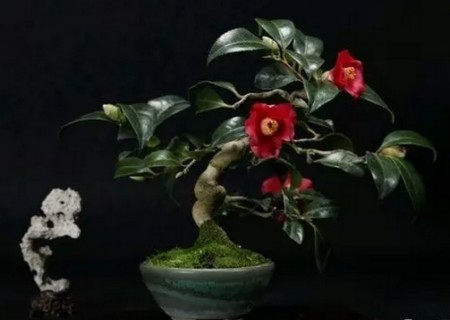
Detailed Guide to the Methods and Steps of Making Camellia sasanqua Bonsai
Camellia sasanqua is an evergreen shrub of the genus Camellia in the family Theaceae. Because its flower shape combines the characteristics of camellia and plum blossom, it is called "tea plum". Gao Lian of the Ming Dynasty once wrote a poem titled "Plum Blossom Tune: Tea Plum": "The flower is, after all, one with the plum" - with just a few strokes, he captured the spirit of the tea plum, which resembles both camellia and plum blossom.
-
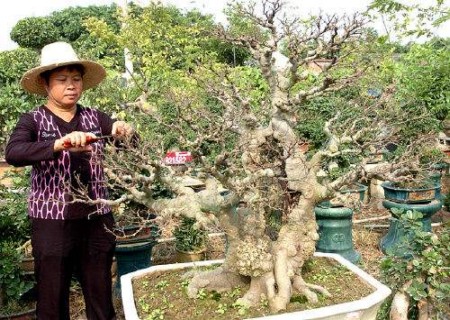
How to make a Chinese hackberry bonsai? A detailed explanation of the methods and steps
The Chinese hackberry (Celtis sinensis) has strong sprouting ability and roots easily; old stumps are mostly dug from the wild. In southern regions, harvesting is mostly chosen for February and March, when temperatures rise and humidity increases, so the dug stumps are less likely to dry out and are easier to keep alive. When digging, choose stumps that are old, have good tree form, short trunks and naturally transitioning curved trunks.
-
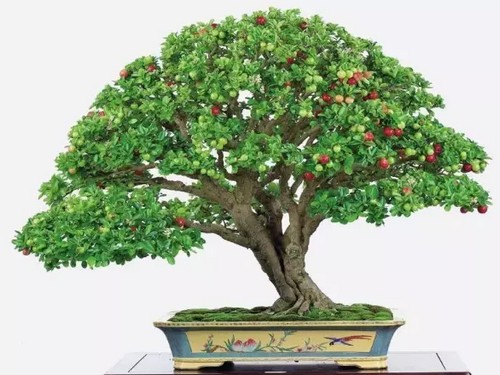
Detailed Explanation of the Methods and Steps for Making Cherry Bonsai
Potted cherry is a miniaturized cherry orchard. It allows you to enjoy the beautiful scene of branches full of flowers and abundant fruit, and also to have fine fruit to savor while enjoying the view. In recent years, along with the improvement of potting techniques, it is gradually entering the balconies and courtyards of thousands of households. Potted cherry blooms in spring, and the fruit ripens in early summer; the flowers are beautiful and the fruit is bright
-
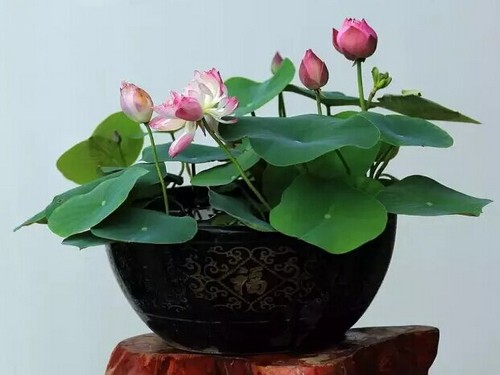
Detailed explanation of the method and steps for making a lotus bonsai
As midsummer arrives, lotuses reach their best viewing period. This year, potted lotus bonsai are also selling briskly on the market, opening up a new path for local farmers to become wealthy. It is reported that lotuses begin to sprout every year after Qingming Festival, bloom in June, and continue until September. Potted lotuses can be used for viewing and the lotus seed pods can also be picked.
-
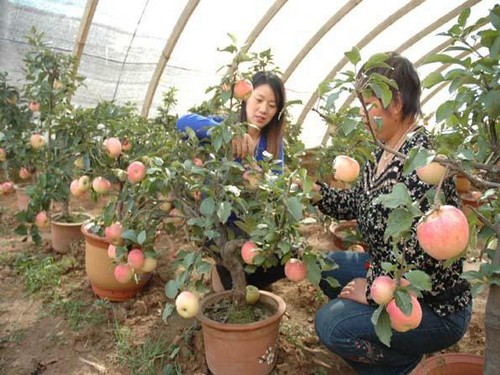
How to Make an Apple Bonsai and Detailed Steps
Apples are delicious and tasty, and are one of the fruits commonly eaten in daily life. Their skin is smooth and their colors are bright. Besides being eaten, they can also be used to make bonsai. For making bonsai, choose apple varieties with small plants, early fruiting, strong self-pollination and fruit-setting ability, medium fruit size, and bright colors.
-
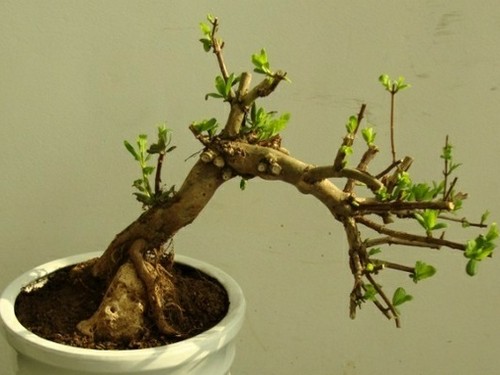
How to make a honeysuckle bonsai? Detailed method and steps
Honeysuckle is a temperate and subtropical tree species. It likes sun but also tolerates shade, tolerates cold, tolerates drought and moisture. It is not demanding about soil and can adapt to both acidic and alkaline soils, but prefers loose, fertile neutral sandy loam. It is vigorous, has a well-developed root system, strong sprouting ability, a light plant body, and a graceful posture, and old stumps are quaint and elegant.
-
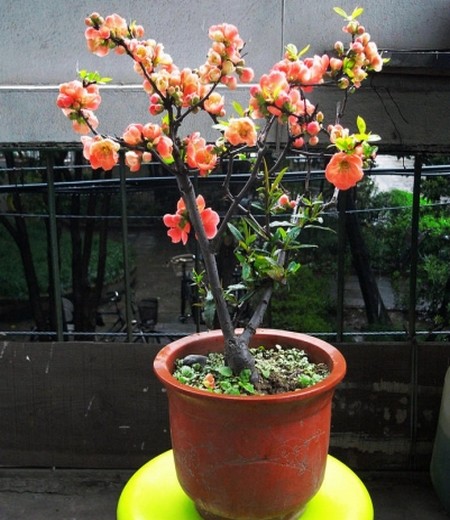
Detailed Explanation of the Production Method and Steps for Chaenomeles speciosa Bonsai
As a unique ornamental tree, Chaenomeles speciosa (flowering quince) dots the gardens and green spaces, a spot of red amid a myriad of greenery - that is probably the kind of beautiful scene it creates. It is colorful and varied, never tiring to look at, and the viewing process is a joy in itself. Its bonsai is usually placed in halls and leisure venues
-
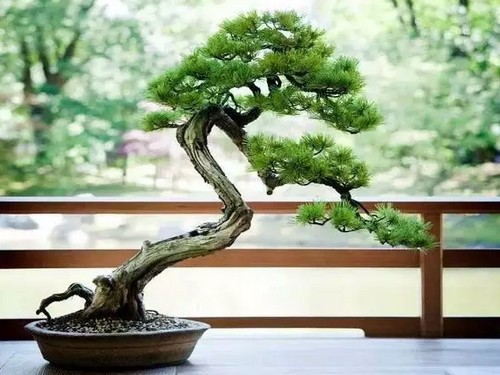
Detailed Guide to the Methods and Steps for Making Pine Bonsai
Among the arts, bonsai is one of the finest examples of Eastern art rich in natural charm, and it is also a unique traditional art of our country. Through artificial techniques, people take trees from nature through cultivation, pruning, wiring, shaping and other processing, carefully nurture them, and then combine this with our artistic methods to truly make them into elegant, extraordinary
-
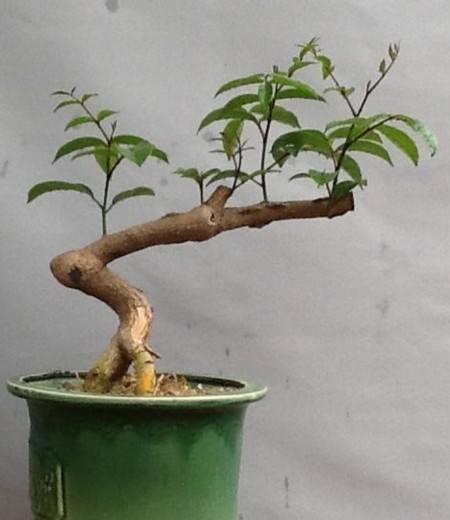
How to make a Zanthoxylum nitidum bonsai? The method and steps explained all at once
Zanthoxylum nitidum is named because both sides of the leaf midrib bear thorns. It is a traditional Chinese medicinal herb with effects such as clearing heat and detoxifying, commonly known as Liangbeizhen and Rudijinniu, and is an evergreen vine of the Rutaceae family. Because Zanthoxylum nitidum has excellent plant characteristics such as a graceful tree form, evergreen foliage throughout the year, tolerance to transplanting, and ease of survival
条件筛选