-
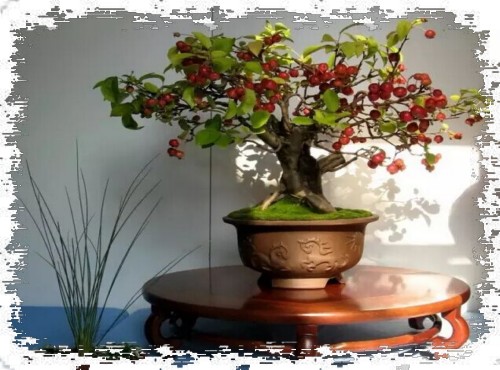
How to Make a Hawthorn Bonsai and Detailed Steps
Hawthorn, also known as Chinese hawthorn or hawthorn fruit, is a deciduous shrub or small tree of the genus Crataegus in the rose family (Rosaceae). The plant is much branched, with dark brown bark and branches that are thornless or have few thorns; the leaves are triangular-ovate or rhombic-ovate, deep green and glossy on the upper surface, with sparse irregular serrations along the edges. The corymbose inflorescences emerge from the branch tips or upper leaf axils
-
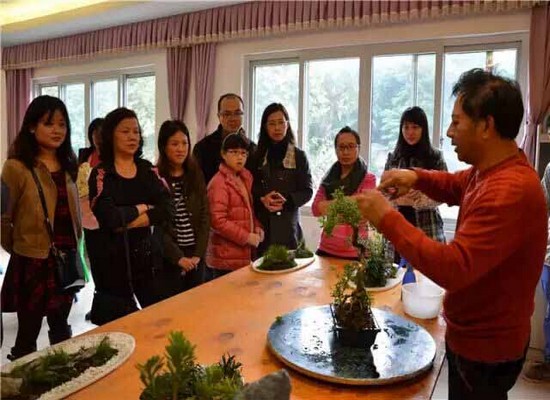
Detailed Explanation of Repotting, Potting and Making Steps for Small Bonsai
Instructor introduction: Chen Wanjun, Lingnan bonsai artist, president of the Jianghai District Flowers and Trees Bonsai Association
-
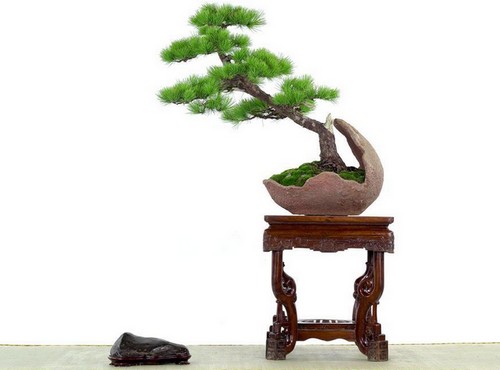
Detailed Explanation of the Methods and Steps for Making Literati-Style Bonsai
Literati-style bonsai is more about expressing oneself, while Suren-style is more about one's relationship with the world, placing oneself within the whole world. Therefore, in terms of the styling expression of bonsai, literati-style bonsai wins through various kinds of elegance and refinement, and what it expounds is how the tree form itself stretches out, elegant and refined
-
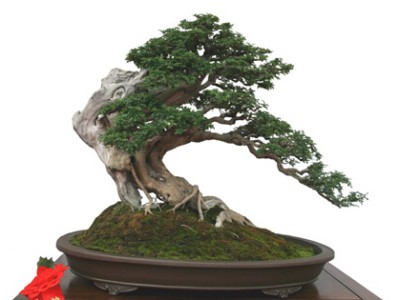
Detailed Explanation of the Methods and Steps for Making Juniper Bonsai
Juniper, also known by people as Chinese juniper, is an evergreen tree of the Cupressaceae family. Because it can be enjoyed in all four seasons, it has relatively high ornamental value and is also widely used in landscape design, making it a tree species deeply loved by people. Although its landscape application is the most common way it is used
-
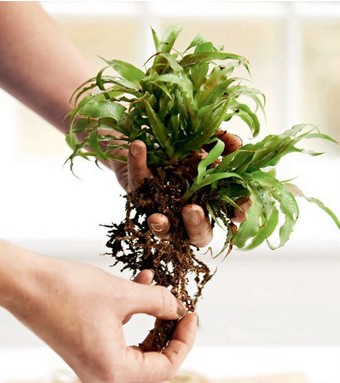
Moss Ball Bonsai Making Method and Detailed Steps
Kokedama is both a plant and a planting method. It originated in the Edo period of Japan and is one of the forms of Japanese bonsai, with a very long history. The distinguishing feature of kokedama bonsai is that no hard materials are used when shaping it; instead, only the plant's roots are wrapped in soil to form a round ball, and then moss is applied to the outside.
-
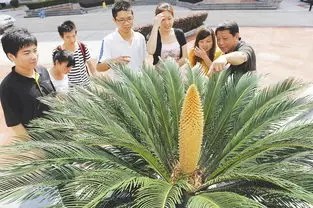
Detailed Explanation of Sago Palm Bonsai Making Methods and Steps
Sago palm is also called iron tree or phoenix-tail banana. Among the common people, the name "iron tree" is used more often for the sago palm. One explanation is that it gets this name because its wood is so dense that it sinks as soon as it enters water, being as heavy as iron; another explanation is that because its growth requires a large amount of iron, even a declining and dying sago palm can be brought back to life if an iron nail is driven into its trunk.
-
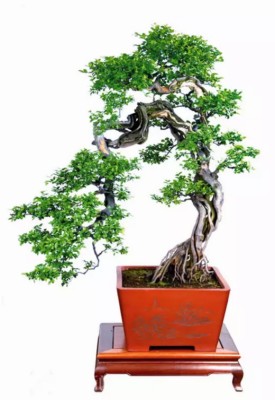
How to Make a Sageretia bonsai: Methods and Steps
Sageretia, also known as duijieci, sageretia vine, sour fruit, and sour-seed tree, is a deciduous climbing shrub of the genus Sageretia in the Rhamnaceae family. The bark is grayish brown, and the slender branchlets bear thorns. The simple leaves are opposite, ovate or elliptical, with finely serrated edges, thinly leathery and bright green. In autumn and winter it produces small pale yellow flowers, and the drupe is nearly spherical, turning purplish black when ripe, edible
-
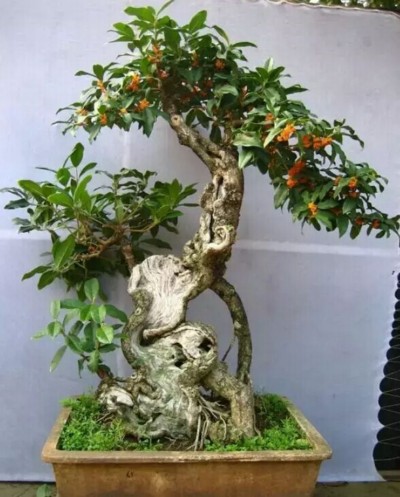
Detailed Explanation of Osmanthus Bonsai Grafting Methods and Operation Steps
Osmanthus has luxuriant branches and leaves, stays evergreen through all four seasons, with gnarled roots and graceful posture, brilliant flowers and rich fragrance. It also has biological characteristics such as strong sprouting ability, tolerance to pruning, and long lifespan, making it an excellent tree species for making tree bonsai. The process of making osmanthus bonsai is complex, learning from nature, and wonderfully exquisite
-
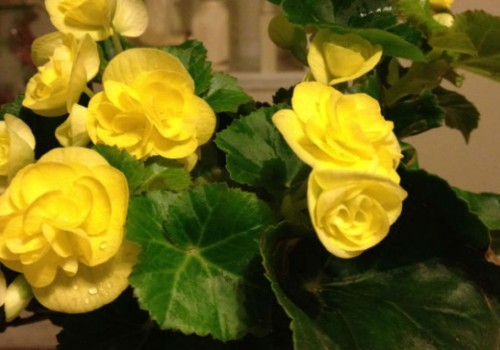
How to grow Rieger begonia in water? Detailed methods and steps
There are many fans of the Rieger begonia, not only because of its elegant flower form and rich colors, but also because as a potted plant it is quite suitable for foliage viewing, with broad emerald-green leaves and brilliant flowers clustered together, both elegant and beautiful. However, this flowering plant, the Rieger begonia, has relatively high requirements for its growing environment
-
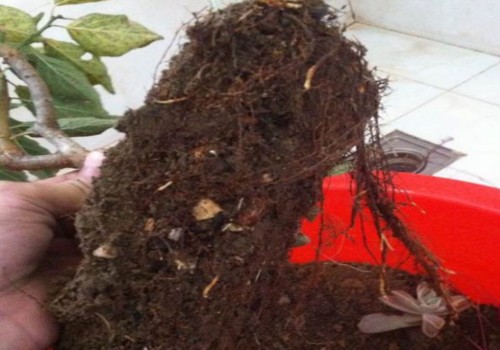
The correct method and operating steps for changing the soil of a plum blossom bonsai
Plum blossom is a flowering plant with fairly strong ornamental value, very suitable for flower viewing. After being trained into a bonsai, it can also be appreciated for its form and even its roots. Moreover, plum blossom is not strict about potting soil; usually, as long as it can meet the conditions of being fertile and loose, breathable and well-draining, it can often survive. But after all, it is grown in a pot
条件筛选