-
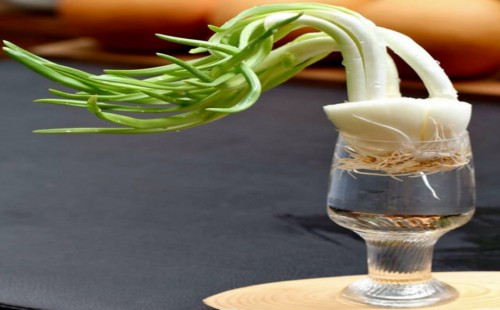
How to Make a Hydroponic Onion Bonsai: Methods and Steps
Onions have a strong, pungent smell, but the food made from them is quite tasty and delicious. At the same time, regularly eating onions can also help promote excretion, regulate blood lipids and blood pressure, and prevent thrombosis. Eating onions regularly can bring many benefits. Not only that
-
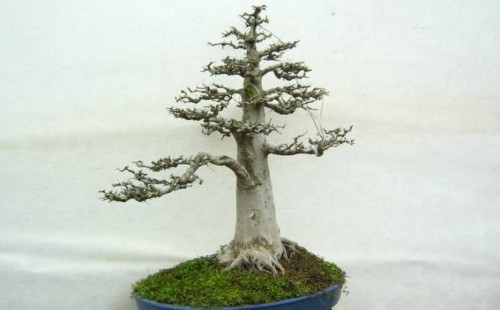
Detailed explanation of the steps for making a formal upright (Chokkan) bonsai
The formal upright style is also a relatively common design in the bonsai-making process. It requires the trunk to be straight and upright, thicker at the bottom and thinner at the top, with the side branches on both sides of the trunk kept flat and extended, while the root system is often exposed around the base yet appears strong and powerful. Viewed as a whole, the lowest branches are the longest and slant downward.
-
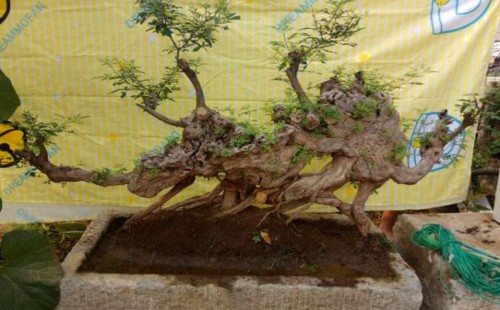
Detailed Explanation of the Production Methods and Steps of Vitex Bonsai
Vitex (Vitex negundo) has characteristics such as liking sunlight but tolerating shade, liking warmth but tolerating cold, liking moisture but not tolerating waterlogging, and liking fertile soil but tolerating poor soil. It is an evergreen tree species. It has peculiar forms, and can be appreciated both for its leaves and its shape, so it is a bonsai tree species with extremely high ornamental value. Moreover, this vitex has strong vitality
-
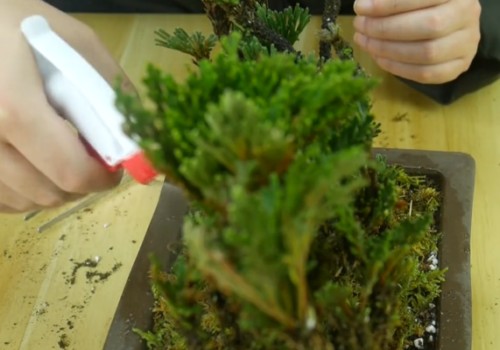
How to make a Selaginella bonsai? Detailed steps to get you started
Selaginella, an evergreen plant also known as "nine-death resurrection grass", has the characteristics of a small plant type, and is also drought-tolerant, shade-loving, and moisture-loving, making it very suitable as a bonsai for viewing. But many bonsai enthusiasts are worried about how to make a good pot of Selaginella bonsai, so how do you make a Selaginella bonsai? Today
-
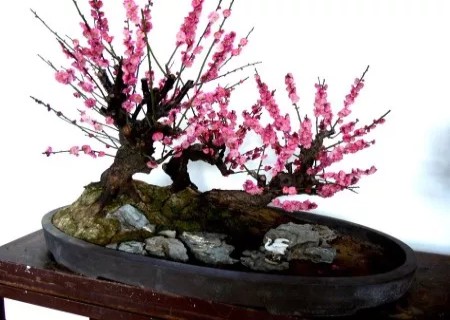
Detailed Explanation of the Methods and Steps for Making Plum Blossom Bonsai
Plum blossoms are deeply loved and favored by many friends because of their unique charm, and in home life many people often carefully craft them into plum blossom bonsai so that they can stand alone as a scenic display for viewing, while also achieving the effect of bringing plum blossoms into the home environment, and their decorative effect should not be underestimated
-
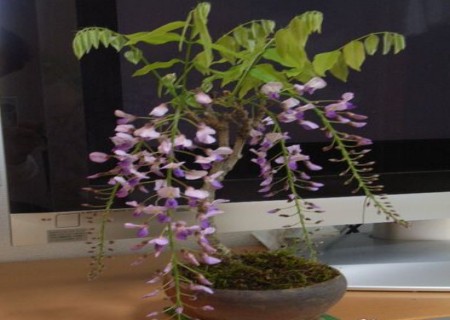
Detailed Explanation of the Methods and Steps for Making a Wisteria Bonsai
Beside an ancient wall, the wisteria brings gentleness and brightness to that sense of weathering and resilience; when wisteria covers a household's eaves, hanging down purple tassels, that home invisibly gains a touch of elegance; when wisteria forms a dense flower canopy or trellis, it creates a secluded, profound little world.
-
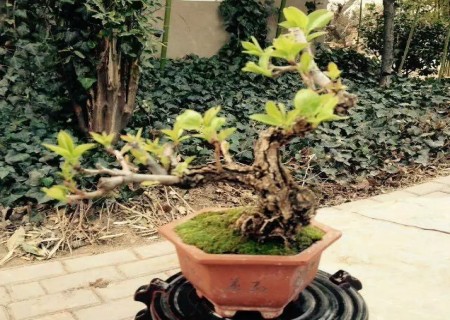
Detailed Explanation of the Making Methods and Steps of Tangli (Birchleaf Pear) Bonsai
When the green carp comes, I hear from afar the spring stream shattering sound by sound; I smell the light yellow buds first opening on the tangli I planted with my own hands. When Minor Heat quietly passes, the new pears gradually hang low, and I invite the neighbor girl from the east to gather fruit and stroll slowly home. Last year I gathered fine snow from the branch tips; today crimson pear leaves drift down, lightly kneading two or three strokes of grass color into the scroll, sipping spring wine and only then feeling its faint sweetness. Still it is the season for loving the two words "startled swan" as I drift into dreams
-
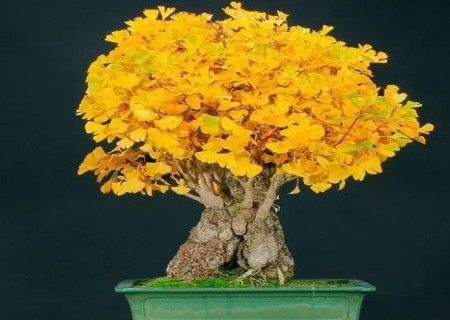
Detailed Guide to the Methods and Steps for Making a Ginkgo Bonsai
Summer has arrived, and the ginkgo shows a lush green, offering high ornamental value, so people past and present, in China and abroad, often use ginkgo in courtyards, as street trees, or in landscaping. But what the editor wants to tell you today is that ginkgo leaves can actually be made into bonsai
-
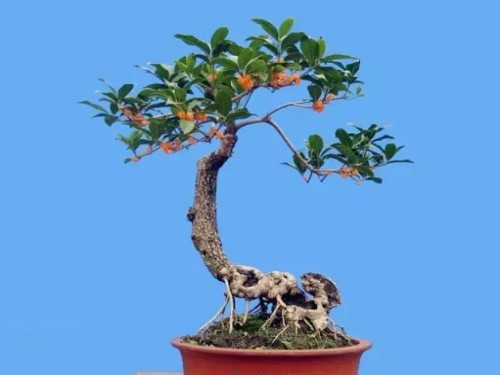
How to Make an Osmanthus Bonsai? Detailed Methods and Steps
Osmanthus has lush branches and leaves, stays evergreen all year round, with gnarled roots and elegant posture, gorgeous flowers and fruit, and rich floral fragrance. It also has biological characteristics such as strong sprouting ability, tolerance to pruning, and long lifespan, making it an excellent tree species for processing into tree bonsai. The production process of osmanthus bonsai is complicated, learning from nature, and wonderfully indescribable.
-
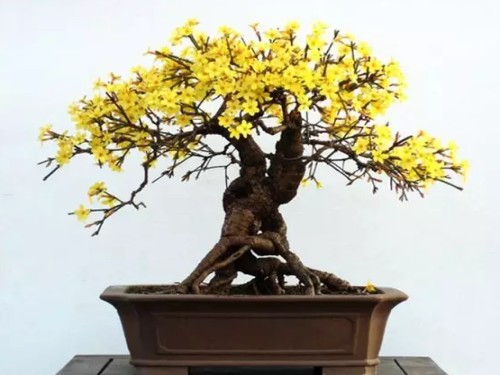
Detailed steps for making a winter jasmine bonsai, beginners can learn it too
The branches of winter jasmine (Jasminum nudiflorum) are thin and supple, with a well-developed root system and strong sprouting ability. It tolerates pruning well, with golden flowers and green calyxes, gorgeous and delightful, making it a good bonsai material. A winter jasmine bonsai has twisted branches and trunks, green trailing vines in the wind, golden flowers dazzling the eyes, full of antique charm. It is an excellent ornamental flower for late winter and early spring. Moreover, winter jasmine has strong branch sprouting ability and tolerates pruning
条件筛选