-
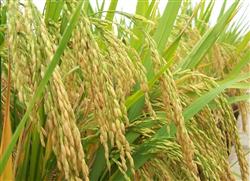
High-Yield Cultivation Techniques for Single-Season Direct-Seeded Rice
Single-season late rice under direct seeding has the advantages of easing seasonal conflicts, reducing labor intensity, and saving labor, cost, seed, and seedling beds, with yields generally above 500 kg, and is deeply welcomed by farmers. Based on several years of planting experience, the techniques are summarized as follows: 1. Select and breed excellent varieties, prepare the field leveling well, improve sowing quality, and strive...
-
What are the key measures to promote early ripening of rice
1. Harden seedlings early and grow strong seedlings. After the seedlings stand upright, begin small ventilation; after 1 leaf and 1 heart, gradually increase the ventilation amount so that the temperature is controlled at 20-25°C; at the 2-3 leaf stage, gradually switch to uncovering by day and covering by night. At this time, if there are few water droplets on the leaf tips in the morning and evening and the seedbed soil is dry, water thoroughly once, and combine with topdressing in the seedbed. Use 1.5...
-
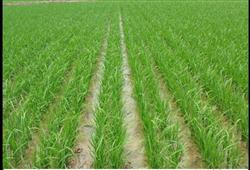
Summary of the Key Points of the Dry-Raised Sparse-Planting Rice Cultivation Technique
Dry-raised sparse-planting rice is one of the agricultural technique measures promoted; the annual rice cultivation area is 9315 mu, and the per-unit yield was low. With the continuous development and progress of science and technology, the yield has increased significantly, and especially since the promotion of wide-narrow row strip planting and dry-raised sparse planting, the results have been even better, and farmers have achieved increased production and income. Dry-raised sparse-planting rice...
-
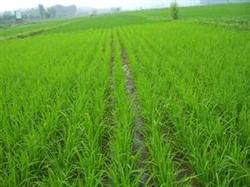
Detailed Explanation of Rice Dry-Raising and Dry-Planting Cultivation Techniques
Dry-raising and dry-planting refers to the practice, when dry-raised early rice seedlings reach the suitable seedling age for throwing and transplanting but the field is dry and lacking water for paddy preparation, of directly spraying herbicide to control weeds, then making holes with a wooden stick or opening furrows with a shovel, and then transplanting the seedlings. Key points of the cultivation technique (1) Paddy field treatment: before planting, spray the paddy field with herbicide to control weeds; options include...
-
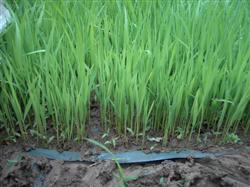
Summary of Key Points for High-Yield Cultivation Techniques of Rice with Dry Nursery and Late Transplanting
Since the rice dry nursery technique was introduced to Luoquan Town in the 1990s, it has gone through stages of trial, demonstration and extension. Through nearly 20 years of production practice and sowing trials on different soils and by different methods, many successful experiences have been gained. Dry nursery technique is now a mature new rice seedling-raising technique in our town. After repeated...
-
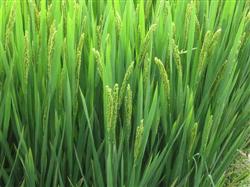
Detailed Explanation of Fertilizer Requirements at Each Growth Stage of Rice
Nitrogen absorption pattern: Rice is very sensitive to nitrogen nutrition and it is the most important factor determining rice quality. Throughout its life, rice maintains a relatively high nitrogen concentration in its tissues, which is a nutritional and physiological trait required for high-yielding rice. Rice has two obvious peaks in nitrogen absorption: one is at the tillering stage, that is, 2 weeks after transplanting...
-
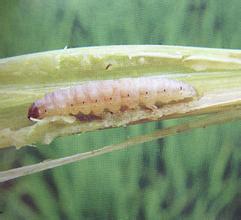
Introduction to Several Control Measures for the Rice Stem Borer
The rice stem borer, also known as the rice stalk borer or heart borer, is one of the major pests harming rice. Its larvae have a diverse diet and also damage corn, sorghum, and other crops. A normal outbreak can reduce yields by 5-10%, and a severe outbreak can reduce yields by more than 30%. Snatching grain from the pest is also an urgent matter. Several control measures are introduced here for reference only. 1....
-
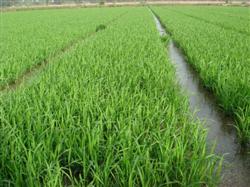
Detailed Explanation of Rice Fertilization Characteristics and Principles
Crop production is influenced by many factors, and fertilization conditions vary endlessly. Understanding crops' fertilizer requirements and fertilization principles allows you to adapt to local conditions, and it is recommended to keep fertilization within a reasonable range. The basic principles include other agricultural measures, intended to help farmers broaden their thinking when analyzing and solving practical problems...
-
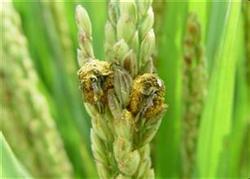
What are the key technical points for controlling rice false smut?
Rice is susceptible to infection during the heading and flowering stage, and the pathogen damages some grains on the panicle. At first, a pale yellow-green mass appears at the seam of the glumes, gradually expands, and finally covers the entire glume shell. It is 3-4 times larger than a healthy grain, dark green, with a smooth surface, and later splits open, releasing dark green powder. Weather is closely related to the occurrence of rice false smut;...
-
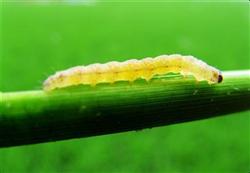
How to prevent and control common rice pests and diseases? A detailed practical guide
Rice bacterial leaf blight is a bacterial disease of rice leaves. The pathogen is Xanthomonas oryzae pv. oryzae in the prokaryote kingdom. The bacterium invades through wounds and water pores in the roots, stems and leaves, and reproduces and causes damage in the vessels of the vascular bundles. Seedlings and tillering stages are the most susceptible. Seedling leaves mostly show leaf blight symptoms. In susceptible varieties...
条件筛选