-

-

-
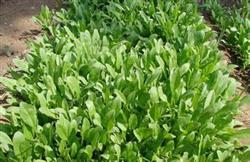
How to efficiently cultivate greenhouse cucumbers, rice, and spinach?
Spring spinach has a relatively short growing period, and can generally be harvested and sold 30 to 50 days after sowing. Planting spring spinach plays an important role in quickly alleviating the spring vegetable shortage. Choose suitable varieties. After spring spinach is sown and emerges, temperatures are low and daylight gradually lengthens, making it very easy for bolting to occur once it passes through phase development. Therefore, choose varieties that bolt late, have thick and broad leaves...
-
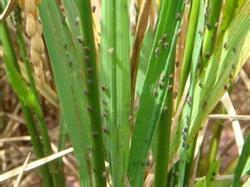
Detailed Explanation of Rice Pest and Disease Identification and Control Methods (Part 2)
The brown planthopper, also known as the brown rice planthopper, is commonly called roundworm, soft-shell roundworm, spindle worm, or midge. Scientific name Nilaparvata lugens (Stal), order Homoptera, family Delphacidae. The brown planthopper is one of the main pests on rice in China, causing damage in all major rice-growing regions across the north and south of the country. Every year it occurs and causes damage mixed with the white-backed planthopper, and the two planthoppers do not...
-

What are the precautions during the young panicle differentiation stage of rice
Precautions during young panicle differentiation of rice
-
A complete guide to the basics of southern rice black-streaked dwarf disease
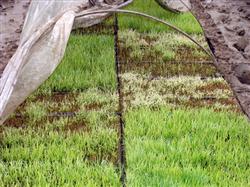
Rice seedling rot is the collective term for seed rot, bud rot and dead seedlings that occur at the seedling stage. Rice seedling rot can be divided into two types: physiological and infectious. Physiological seedling rot is mainly caused by low temperatures and mistakes or poor management practices in the seedling nursery; infectious seedling rot is caused by pathogen infection, and the main diseases include rice cottony rot, rice putrefactive disease and rice...
-
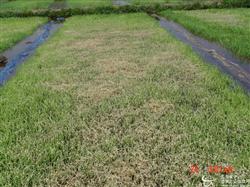
Diagnosis and Control Methods of Rice Seedling Rot: A Detailed Guide
Rice seedling rot is a general term for seed rot, bud rot and seedling death in rice caused by pathogen infection or non-pathogenic factors. It can be divided into two categories: infectious and non-infectious (physiological). Non-infectious seedling rot is mainly caused by adverse environmental conditions; infectious seedling rot refers to that caused by adverse environmental conditions inducing infection by Pythium, Achlya, Fusarium and other pathogens...
-
Key Points and Correct Operation Methods of Rice Seed Soaking Technology
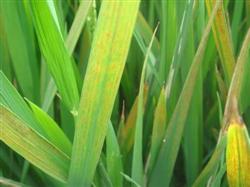
Rice premature aging refers to the premature senescence of leaves during the heading to maturity stage of rice, with leaf color turning brown, dirty-white dead areas appearing at leaf tips, leaves thin and curved, root growth weakened, and even a few black roots occurring. There are many factors causing rice premature aging; besides pests and diseases, the main ones are the following...
-

-
Detailed Explanation of the Grading Standards and Control Methods for Rice Blast
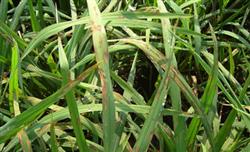
Grading standards Leaf blast: Grade 1 occurs sporadically, and disease can only be seen upon careful investigation. Grade 2 has slightly more incidence, with diseased leaves concentrated in the lower part. Grade 3 has widespread incidence, with diseased leaves concentrated in the middle and lower parts. Grade 4 has relatively severe incidence, with diseased leaves concentrated in the middle and upper parts, and a small number of patches appearing. Grade 5 has severe incidence, with obvious patches...
条件筛选