Detailed Explanation of Rice Dry-Raising and Dry-Planting Cultivation Techniques
Dry-raising and dry-planting refers to the practice, when dry-raised early rice seedlings reach the suitable seedling age for throwing and transplanting but the field is dry and lacking water for paddy preparation, of directly spraying herbicide to control weeds, then making holes with a wooden stick or opening furrows with a shovel, and then transplanting the seedlings. Key points of the cultivation technique (1) Paddy field treatment: before planting, spray the paddy field with herbicide to control weeds; options include...
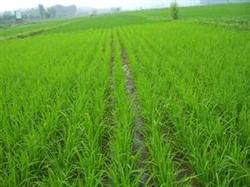
Dry-raising and dry-planting refers to the practice, when dry-raised early rice seedlings reach the suitable seedling age for throwing and transplanting but the field is dry and lacking water for paddy preparation, of directly spraying herbicide to control weeds, then making holes with a wooden stick or opening furrows with a shovel, and then transplanting the seedlings.
Key points of the cultivation technique
(1) Paddy field treatment: before planting, spray the paddy field with herbicide to control weeds; herbicides that cause no phytotoxicity to rice, such as "glyphosate" and "acetochlor", can be chosen to deal with the weeds in the field.
(2) Transplanting method: use a small wooden stick to make holes and then plant the seedlings, or use a shovel to open furrows, plant, and then water.
(3) Other field management is the same as for conventional cultivation.
Precautions
(1) All weeds in the field must be completely cleared.
(2) For seedlings that have already been transplanted, water must be applied promptly when they are too dry.