-
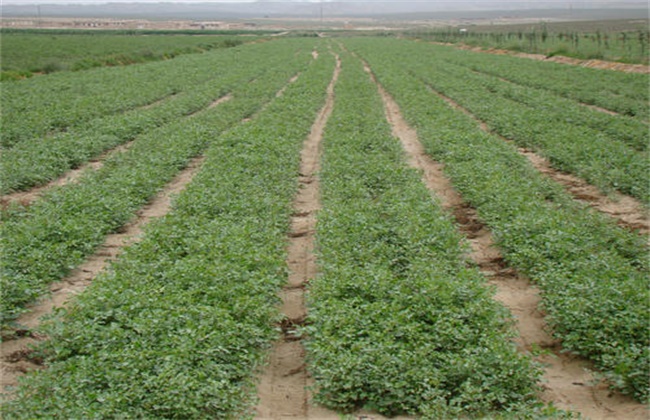
Detailed Explanation of the Use Methods and Precautions of Herbicides for Licorice
Use Methods and Precautions of Herbicides for Licorice
-
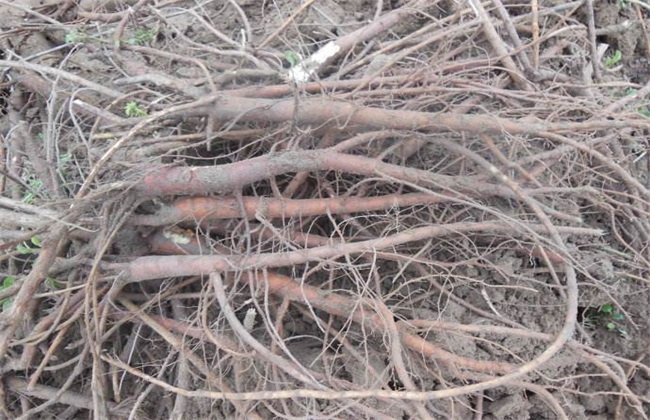
When to harvest licorice? Detailed explanation of harvest time and methods
Licorice harvest time and methods
-
-
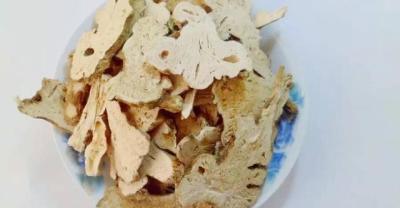
What medicinal herbs are profitable to grow in 2017? With medicinal herb prices
As autumn and winter arrive, this is the peak season for buying and selling Chinese medicinal herbs. Not only will domestic pharmaceutical companies increase their input, but export volumes will also rise, and most medicinal herb markets...
-

Retained placenta in livestock can be treated by boiling Angelica sinensis in sweet rice wine
Retained placenta in livestock is a relatively common condition among obstetric diseases. Under the guidance of my father, the author has used Angelica sinensis boiled in sweet rice wine to treat retained placenta in livestock, with obvious results. "Angelica sinensis," which some farmers call "blood skin vegetable," has been used by the author since 1988 to treat 22 cases of retained placenta in yellow cattle and water buffalo, 1 case of retained placenta in a dairy cow in June last year, and 1 case of retained placenta after miscarriage in livestock (a pig) in May this year, all with practical results. This medicine is simple to use, economical, and convenient, and is hereby reported as follows for the reference of colleagues. 1 Drug processing
-
What are the cultivation methods for licorice? Detailed explanation of the key planting techniques
There are mainly two. (1) Direct seeding, generally done in rows, with a row spacing of 30-50 cm, a furrow depth of 3-4 cm, and 2 cm of covering soil, with a seeding rate of 2-3 kg per mu. Because direct-seeded products develop many branched roots, with the roots thick at the top and thin at the bottom, most fail to meet the quality standard, and because digging them out is laborious and highly labor-intensive, in production generally only seed-production fields use this method. (2) Seedling raising and transplanting, which is mostly used in production because of its high yield, excellent quality, low labor intensity, and high economic benefit. Generally, raising one mu of seedlings requires seeds
-
Detailed Explanation of Key Licorice Cultivation and Management Techniques
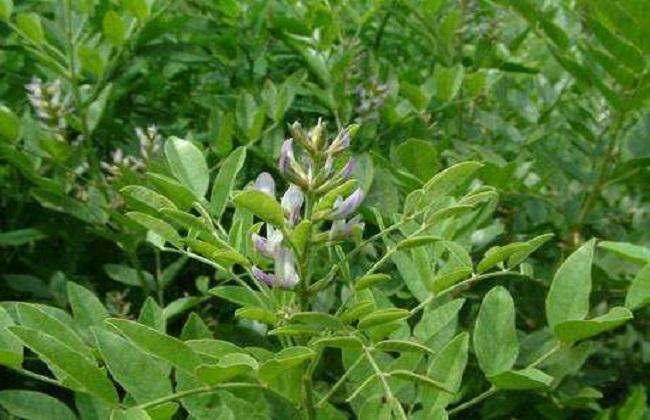
Licorice, also known as sweet grass root, red licorice, and powder grass, is a leguminous plant, with its root and rhizome used as medicine. Licorice is a perennial herbaceous plant, 30-40 cm tall. The root is thick and sturdy, cylindrical, with a sweet taste, and the outer bark is brownish-red. The stem is upright, slightly woody at the lower part. The leaves are alternate, and the flowers are papilionaceous, light purplish-red. The seeds are flat and round. The flowering period is June-July, and the fruiting period is July-September. Licorice is sweet in flavor and neutral in nature, with effects of clearing heat and detoxifying, moistening the lungs and stopping cough, and harmonizing various medicines, and is regarded as the elder of all medicines. Except for waterlogged lowlands and land with a high groundwater table, which are not suitable for planting, other
-
Detailed Explanation of Licorice Cultivation and Grassland Reseeding Techniques
Licorice (Glycyrrhiza) is a wild medicinal and forage plant. Based on its biological and ecological characteristics, adopting agricultural technical measures can break seed dormancy and increase the germination rate; meet the water and nutrient requirements of licorice growth and development, and increase its biomass yield. 1. Licorice cultivation techniques (1) Seed treatment. Use a rice mill to scratch the seed coat, taking care not to crush the seeds; milling twice gives the best results, and the germination rate can be increased from 30% to over 80%. (2) Site selection and pre-sowing land preparation. On sandy land, sand-covered land, and beach land types
-
How to Choose and Prepare the Site for Licorice Cultivation? Detailed Technical Points
Licorice has a very strong rhizome sprouting ability, extending horizontally beneath the soil surface around the old plant; one licorice plant can produce dozens of new plants within a few years. Under artificial cultivation, 3 years after sowing, new plants can be seen growing 3-4 meters away from the mother plant. Its vertical rhizome can also develop roots. The depth of the root system varies with soil texture and the depth of the groundwater table, generally within the range of 1-2 meters, sometimes reaching more than 10 meters, using the deep root system to absorb groundwater and adapt to arid environmental conditions.
-
Detailed Explanation of Licorice Planting Methods and Technical Requirements
1. Selection of planting site. Under different climate and soil conditions, the yield and quality of licorice vary considerably. Licorice has strong adaptability to temperature conditions, while moisture conditions play a decisive role in licorice yield. According to the author's research, in regions of China's temperate zone with 300-500mm of precipitation, the rainfall in normal years can basically meet the growth needs of licorice, and it can be cultivated on land without irrigation conditions; however, to obtain high-quality transplant seedlings, the seedling nursery should have irrigation conditions. In areas with annual precipitation below 200mm, to obtain high quality and high yield, when there is no sufficient groundwater directly available for licorice use (groundwater level 2-3m), both the seedling nursery and the transplant site must have irrigation conditions.
条件筛选