-
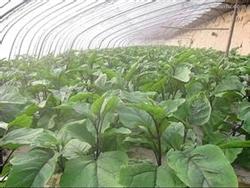
Detailed Explanation of Pollution-Free Production and Cultivation Techniques for Greenhouse Eggplant
1. Pollution-Free Cultivation Techniques for Early Spring Greenhouse Eggplant. In the Bozhou region, this crop of eggplant is raised as seedlings from early December and transplanted into early spring greenhouses in mid-February. 1.1 Selection of Excellent Disease-Resistant Varieties. The climatic characteristics of this cropping season are: weak light and low temperatures during the seedling-raising period, with temperature and light gradually...
-
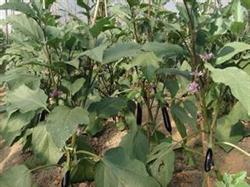
Precautions for Using Pesticides in Pollution-Free Eggplant Cultivation
In cultivating pollution-free eggplant, the guiding principle should be prevention first when dealing with eggplant pests and diseases. If pests and diseases do occur, comprehensive control should be considered first, such as using natural enemies of pests (Trichogramma, seven-spotted ladybugs, etc.), "natural enemies" of pathogens (such as Jinggangmycin, streptomycin, abamectin, etc.), and combining...
-
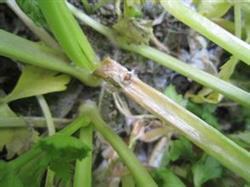
Pollution-free control methods and techniques for sclerotinia disease of coriander
1. Agricultural control (1) Practice crop rotation or high-temperature control. In diseased fields, practice a 2-3 year rotation with grain crops, or a 1-year rotation with rice or with aquatic vegetables. Where protected cultivation land cannot be rotated, high-temperature control may be adopted, as follows: during the high temperatures of the three summer months, first clean the field, remove diseased leaves and stems and weeds, carry them out of the field and bury them deep or burn them; apply 50-100 kg of lime per 666.7 sq m, add 500 kg of chopped rice straw or wheat straw, spread evenly on the surface, immediately turn into the soil, form high ridges about 30 cm tall, and fill the furrows with water until saturated; to keep water in the furrows at all times, irrigate every day; cover with plastic film, seal the edges tightly with soil, and keep the greenhouse or room closed for 15-20 days. This method can not only kill the lower sclerotia, but also kill pathogens such as Fusarium and root-knot nematodes.
-
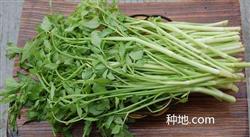
Detailed Explanation of Pollution-Free Water Dropwort Cultivation Techniques
How to grow water dropwort in summer? Water dropwort is a semi-cold-hardy aquatic vegetable, and it stops growing when the temperature exceeds 30°C. In the Suzhou area, planting generally begins in mid-to-late September, and harvesting ends in early-to-mid March of the following year. To solve the problem of the summer vegetable shortage, we have developed a summer planting production model and techniques for water dropwort...
-
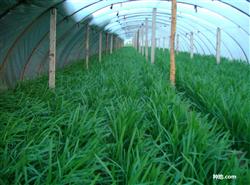
What are the pollution-free cultivation methods for garlic chives?
How do you grow pollution-free garlic chives? What should you pay attention to? For open-field cultivation of garlic chives, the root stock must first be developed, which can be done by direct seeding or by raising seedlings. At present, most regions in China use the seedling-raising method; garlic chives occupy little space during the seedling stage, are easy to manage, suffer little weed damage, and develop robust root stock with a long lifespan. ① Cultivating strong seedlings: When...
-
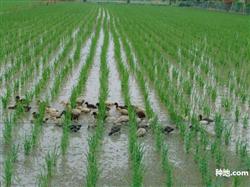
Detailed Explanation of Pollution-Free Control Methods for Rice Pests and Diseases
Pollution-free methods for controlling rice pests and diseases: (1) Rice field plowing and water-soaking technique for killing borers: during the peak pupation period of the overwintering generation of rice borers (before March 20 in southern Jiangxi, April 1 in central Jiangxi, and April 10 in northern Jiangxi), plow winter fallow fields and green manure fields, then flood with deep water and soak, so that the borers cannot emerge normally, thereby killing the pupae and borers and reducing the occurrence base...
-
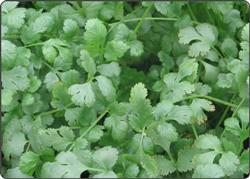
What are the pollution-free fertilization methods for cilantro?
How do you fertilize cilantro in a pollution-free way? Please explain the methods. In autumn-winter or winter-spring, grow it using greenhouse edges, gaps, before and after main vegetables, intercropping, and relay cropping. When sowing, follow market demand and greenhouse growing conditions; it is best to sow at any time during the cool season. Cilantro grows...
-
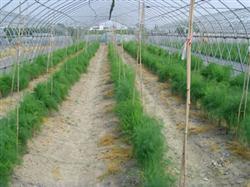
What are the cultivation methods and key technical points for pollution-free asparagus?
How do you grow pollution-free asparagus? Please provide guidance. Pollution-free asparagus cultivation can follow the methods below: 1. Variety selection. Choose mid-season varieties suitable for both green and white spears, such as Atlas, Apollo and other excellent varieties. These varieties have good quality, excellent flavor and strong adaptability, generally yielding 800-100...
-
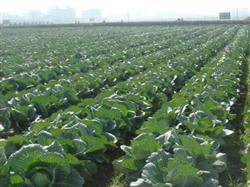
Detailed Explanation of Fertilization Methods for Pollution-Free Cabbage Cultivation
How do you fertilize when growing pollution-free cabbage? Please introduce the methods. For fertilization methods for growing pollution-free cabbage, you can refer to the following methods: Apply base fertilizer heavily and plant at the right time: Cabbage grown under protected cultivation yields about 30% more than in open fields and reaches the market earlier. Therefore, apply 20%-40% more fertilizer than in open fields, increase phosphorus and potassium fertilizer, and use nitrogen fertilizer...
-
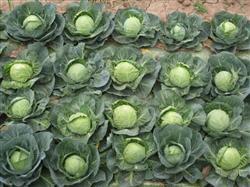
What are the key points of pollution-free cabbage cultivation techniques?
How do you grow pollution-free cabbage well? Please explain the cultivation method in detail. For pollution-free cabbage cultivation, you can refer to the following methods: 1. Variety selection. The varieties used for cabbage cultivation are determined according to the cultivation purpose and the time of going to market. For early spring plastic film cultivation in small arch sheds, early-maturing varieties are mostly used, such as Zhonggan 11...
条件筛选