-
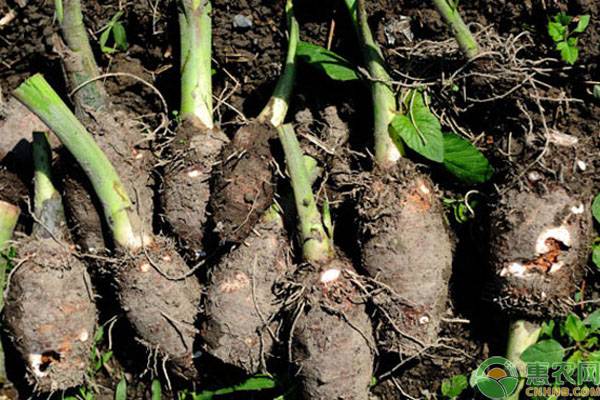
Pollution-free high-yield cultivation and management techniques for taro
Pollution-free high-yield taro cultivation and management techniques
-
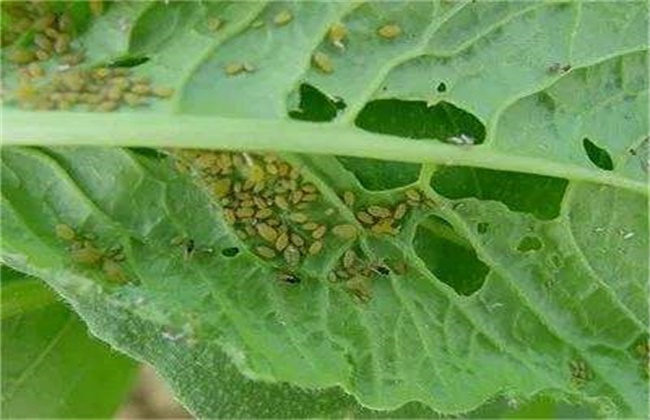
Key points of pollution-free control techniques for vegetable aphids
Pollution-free control techniques for vegetable aphids
-
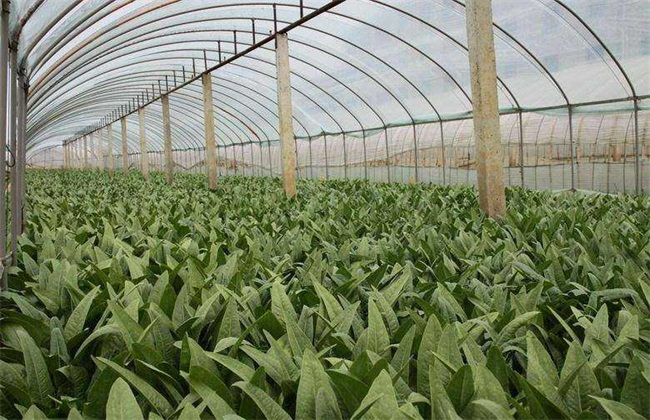
Detailed Explanation of Key Points for Pollution-Free Cultivation Techniques of Celtuce
Pollution-Free Cultivation Techniques for Celtuce
-

Detailed Explanation of the Key Technical Points for Pollution-Free Eggplant Production
Pollution-Free Eggplant Production Techniques
-
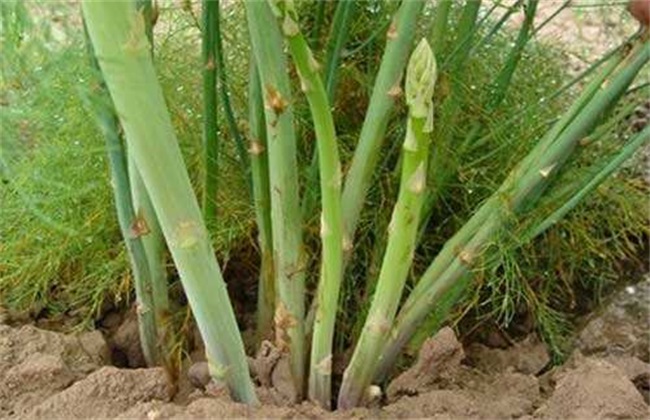
Detailed Explanation of High-Yield and Pollution-Free Asparagus Cultivation Techniques
High-Yield and Pollution-Free Asparagus Cultivation Techniques
-
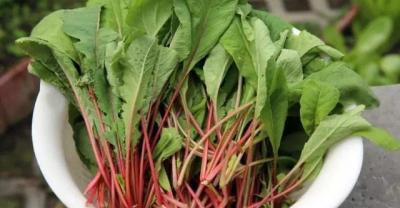
Is vegetables grown with organic fertilizer equal to pollution-free vegetables?
Many people equate vegetables grown with organic fertilizer with eco-friendly vegetables and pollution-free vegetables, which is incorrect. Of course, regarding some of the definitions of organic vegetables, green vegetables and pollution-free vegetables, I...
-
Detailed Explanation of Pollution-Free Control Techniques for Rice Pests and Diseases
I. Agricultural Control Agricultural control is the foundation for achieving pollution-free control of rice pests and diseases, and its basic principle is to create an environment that favors crop growth and development while disfavoring the breeding of pests and diseases. 1. Increase the application of organic fertilizers and gradually reduce the amount of chemical fertilizers used. In production, relying solely on chemical fertilizers (especially nitrogenous chemical fertilizers) while neglecting the cultivation, composting and use of organic fertilizers is one of the important reasons for the current severe occurrence of rice pests and diseases. Therefore, it is necessary to change concepts, attach importance to developing animal husbandry, planting green manure crops and composting various types of farmyard manure, and establish a new fertilization model based primarily on organic fertilizers and supplemented by chemical fertilizers. In order to increase the sources of organic fertilizer, it is required to plow and sow green manure or other crops in winter to prevent fields from overwintering fallow. Doing so can not only reduce the overwintering base of the striped stem borer (Chilo suppressalis) and sheath blight sclerotia, but also improve the soil. Organic fertilizer is a complete fertilizer and can comprehensively supply the various nutrient elements needed by crops, but it is also a slow-release fertilizer, and most of the nutrient elements it contains cannot be directly utilized by plants; they must first be decomposed by microorganisms into ammonium nitrogen and inorganic salts before they can be absorbed. The early stage of rice growth is precisely the key period when quick-acting fertilizers (especially nitrogen fertilizer) are needed. If the required nutrients cannot be guaranteed, it will inevitably affect normal tillering, resulting in failure to grow vigorously in the early stage and then delayed maturity with excessive vegetative growth in the later stage. Therefore, when increasing the application of organic fertilizer, attention must be paid to resolving the above contradiction between supply and demand in order to achieve safe nitrogen uptake by rice (that is, continuously and evenly supplying nitrogen fertilizer according to the needs of each growth stage, neither too much nor too little, so that rice grows steadily in the early and middle stages and does not senesce prematurely or grow excessively in the later stage). For example: when green manure is the main fertilizer source, first, the total application amount must be controlled, with about 1000 kg of fresh grass applied per 667 sq m, and not too much; second, when sowing green manure, green manure varieties with different degrees of decomposition difficulty must be mixed and sown; third, plowing must be carried out early at the appropriate time to promote the decomposition of green manure. When barnyard manure and cake fertilizer are the main fertilizer sources, efforts should be made to fully decompose them before application, they should be distributed evenly during application, and attention should be paid to intermittent irrigation after transplanting to promote the decomposition of organic fertilizer. Increasing the application of organic fertilizer does not exclude the use of chemical fertilizers; the two should be combined. At the beginning of tillering, apply 50 kg to 100 kg of silicon-manganese compound fertilizer per 667 sq m in a timely topdressing to promote early and rapid growth and steady development of the seedlings, laying a good foundation for pollution-free rice production.
-
Detailed Explanation of Technical Specifications for Pollution-Free Pesticide Use in Potatoes
1. Cultivating strong seedlings free of pests and diseases (1) Seed potato selection: For pollution-free potatoes, seed potatoes that are pest- and disease-resistant, disease-tolerant, and free of pest and disease damage should be selected. A seed-production field free of pests and diseases should be strictly established, and pest- and disease-free small whole seed potatoes should be cultivated in the pest- and disease-free seed-production field. The small whole seed potatoes kept for seed should be selected during storage. After the seed potatoes are taken out of the cellar, they should be strictly selected, using young and mature tubers as seed, and eliminating tubers with undesirable traits such as irregular shape, rough and aged skin, protruding eyes, and dull skin color. The quality of seed potatoes shall meet the requirements for improved grain crop varieties or above under GB8079-1987.
-
Key Technical Points for Pollution-Free, High-Yield Potato Cultivation
In recent years, with the adjustment of the agricultural planting structure and the development of high-yield, high-quality, high-efficiency agriculture, the potato planting area in our city has continued to increase. For this reason, the author and researchers from the Laiwu City Institute of Agricultural Sciences conducted research on pollution-free, high-yield, high-efficiency model cultivation techniques for potatoes, summarized pollution-free spring planting and autumn delayed cultivation techniques for potatoes, and successfully achieved a bumper harvest in pollution-free spring planting and autumn delayed cultivation of potatoes. The yield and efficiency increases were significant. The main techniques are summarized as follows. 1. Overview of the experimental site: Fengcheng Subdistrict, Laiwu City, Shandong Province, is an important pollution-free potato production base in central Shandong.
-
Key Points of New Techniques for Efficient, Pollution-Free Potato Cultivation
The efficient, pollution-free potato cultivation technique shows the most remarkable results when applied on gentle slopes of red soil hills. Compared with potatoes grown by ordinary methods in the same period, it can make potatoes mature more than 15 days earlier, save 30% of fertilizer, save 2-3 labor units, cut costs by more than 40%, increase yield by 150%-300%, raise the rate of large tubers by 30%-40%, and increase income by more than 700 yuan per 667 sq m. 1. Select good varieties: choose early- and mid-maturing varieties with high quality, high yield and strong resistance; virus-free varieties are even better. Varieties available for selection include
条件筛选