-
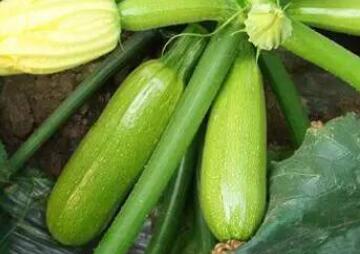
When to Plant Annual Vining Herbaceous Zucchini, with Pollution-Free Winter-Spring Crop Cultivation Techniques
Zucchini contains relatively high amounts of vitamin C, glucose and other nutrients, and has the effects of relieving restlessness and quenching thirst, moistening the lungs and stopping cough, clearing heat and promoting diuresis, and reducing swelling and dispersing nodules. The zucchini fruit is used as a vegetable and is cultivated throughout China. So, when is the annual vining herbaceous plant zucchini generally planted? And how are the returns?
-
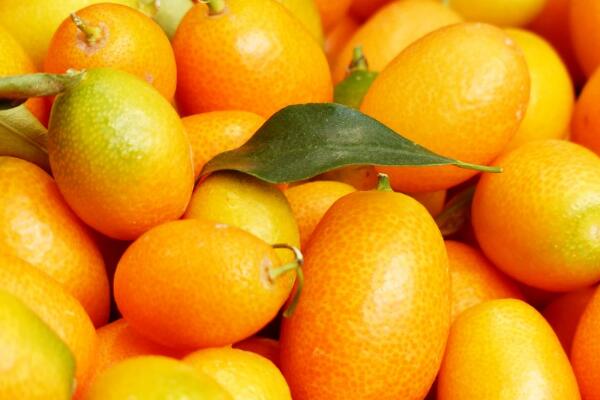
Kumquat Seed Planting Precautions and Pollution-Free Cultivation Techniques
Kumquat is a plant under the genus Fortunella in the Rutaceae family, also known as jinzao, kumquat, and small orange. It was originally distributed across the coastal provinces of southeast China, especially in the Guangdong region, which has the longest history of cultivating and eating kumquats and is truly a hometown of kumquats. In addition, it is widely cultivated in South China and the middle and lower reaches of the Yangtze River
-
This is how to grow pollution-free vegetables so they truly live up to the name
When it comes to growing vegetables, one thinks of Shouguang in Shandong, the hometown of vegetables. I occasionally had the good fortune to visit Shouguang and see with my own eyes the high-tech vegetable growing there. In the past I had only seen it on TV or...
-

Detailed Explanation of Key Points for Pollution-Free Rice Cultivation
If you like it, please follow us. To grow pollution-free rice, the first thing is to clearly understand what the principles of pollution-free rice are. Growing pollution-free rice should follow sustainable development...
-
Key Points of Pollution-Free, High-Yield Cultivation Techniques for Daikon Radish
Daikon radish is a plant of the genus Raphanus in the Brassicaceae family, and it is a common root vegetable in daily life. Daikon radish has fine, dense flesh, a sweet and juicy taste, and rich nutrition, ...
-

How to grow summer sesame? A detailed guide to comprehensive high-quality pollution-free cultivation techniques
Sesame is a major oil crop in Linquan County and a leading industry among cash crops, renowned both at home and abroad for its large area, high yield and excellent quality. The "Shenghe" brand sesame oil, "Longmao" brand refined sesame and "Yingxian" brand washed sesame produced by several leading sesame processing enterprises such as "Baoding Grain and Oil Co., Ltd." in the county have obtained China Green Food Grade A standard certification and pollution-free agricultural product certification. In order to improve sesame quality and meet the production requirements of pollution-free agricultural products, on the basis of promoting the results of the "six reform measures for sesame" researched in the county, after many
-
Detailed Explanation of Key Points for Pollution-Free Management Techniques of Tea Plants
Tea garden soil should be ploughed frequently to facilitate microbial activity, accelerate soil maturation, promote the release of mineral elements, and facilitate root absorption. Depending on the soil structure, carry out shallow ploughing several times a year, with a depth of 5-10 cm; medium ploughing 2-3 times, with a depth of 10-15 cm; deep ploughing once a year or every other year, with a depth of 25-30 cm. Shallow ploughing and medium ploughing can be carried out in combination with weeding and topdressing in each tea season, while deep ploughing is carried out in combination with garden cleaning or applying organic fertilizer. Tea gardens should be given more organic fertilizer to improve soil physical and chemical properties and the capacity for sustained nutrient supply; appropriately stock
-
Key Technical Points for Pollution-Free Tea Plant Cultivation and Management
I. Cultivation and Management of Tea Gardens in the Young Stage 1. Deep plowing to improve soil. Water is an important component of the tea plant organism. Deep plowing to improve the soil can store water and retain moisture, ensuring good root growth and development of tea plants. During deep plowing, do not mix up the topsoil and subsoil; place them separately in the inner side and outer trench. When backfilling, put the topsoil at the bottom of the trench and spread the subsoil on top. The depth of deep plowing must be more than 50 cm. 2. Transplanting. The transplanting time should be determined according to local conditions and varieties, generally from late February to mid-March in early spring, or from mid-October to early November in late autumn and early winter. It is advisable to choose cloudy days
-
Detailed Explanation of Pollution-Free Control Techniques for Tea Plant Pests and Diseases
The main pests currently occurring in tea gardens include the tea green leafhopper (Empoasca vitis), the pink tea mite (Acaphylla theae), and the tea geometrid (Ectropis obliqua); diseases include anthracnose and tea brown leaf spot. Tea farmers should strengthen tea garden surveys and carry out timely pest and disease control. For tea gardens with multiple concurrent pests, combine primary and secondary control, select high-efficiency, safe, pollution-free pesticides and biological pesticides, mix them rationally, reduce the number of sprayings, and ensure tea yield and quality. Because the overwintering base of the tea green leafhopper was relatively high last winter and this spring, as temperatures rise, tea gardens throughout the county
-
Causes of Tea Geometrid Outbreaks and Pollution-Free Control Methods
Tea geometrid, also known as the arching worm, measuring worm, and hanging-silk worm, belongs to the order Lepidoptera, family Geometridae. In Liandu District, this pest is mainly distributed in tea areas such as Bihu and Lixin, and is a voracious pest. If control is not timely, it often causes severe reductions in summer and autumn tea yields, and leads to decline in tree vigor, seriously affecting tea production. In previous years it occurred every year, but the damage was not great. In August 2007, this pest broke out over a large area in the Huanglingshang tea garden of Lixin Township, not only severely affecting the tea yield of that season, but also causing decline in tree vigor and poor cold resistance
条件筛选