-
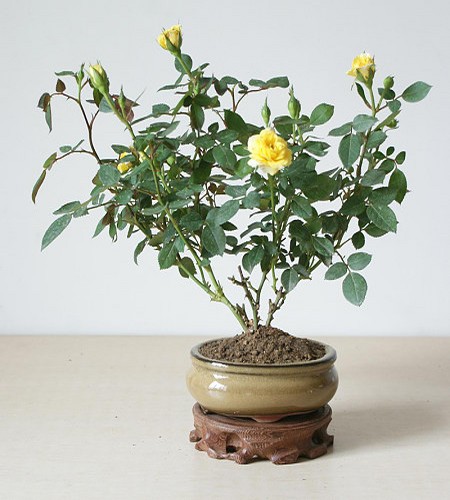
Detailed Guide to the Methods and Steps for Making Rose Bonsai
Roses have long enjoyed the reputation of being the queen of flowers, with their brilliant and colorful blooms and graceful bearing. Besides being grown in pots, planted in the ground for ornamental viewing, and used as cut flowers, they can also be made into bonsai. The roots and trunks of roses are vigorous and quaintly aged. In early spring, the whole tree is covered with new buds and tender leaves, either red or green, fresh and pleasant, giving a sense of vitality; from late spring to autumn, the branches are full of flowers
-
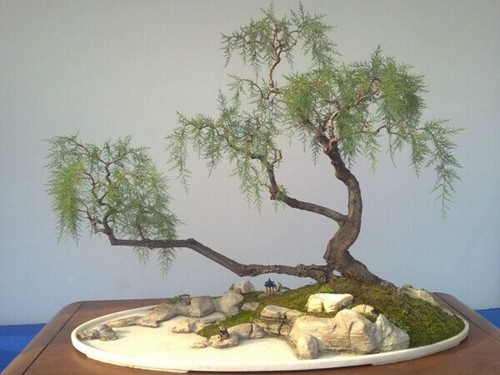
Detailed Explanation of the Methods and Steps for Making a Tamarisk Bonsai
Tamarisk has fine branches and small leaves, with drooping branches that are graceful and charming, resembling a weeping willow; its trunk is like iron, ancient and peculiar, possessing the quality of pine and cypress; it blooms three times a year with a long flowering period, and the pink flowers cover the branches, making it even more enchanting; its roots are like roaming dragons, with wonderful forms, whether viewing roots, trunks, leaves, or enjoying flowers
-
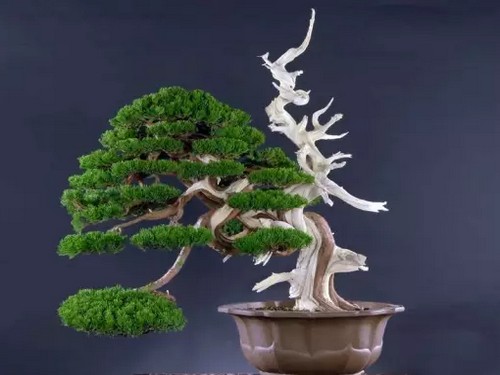
Detailed Guide to the Methods and Techniques for Creating Chinese Juniper Bonsai
Chinese juniper bonsai has long been famous in bonsai circles at home and abroad for its old trunks and gnarled branches, fine dense foliage and elegant posture. Especially in Japanese bonsai exhibitions, shari (deadwood) trunks made from century-old junipers are commonly seen, with white deadwood and red bark alternating, resembling a roaming dragon, vigorous and antique, truly possessing an immortal's bearing, and can be called a superior product among bonsai. Chinese juniper in the Taiwan, China potted plant community
-
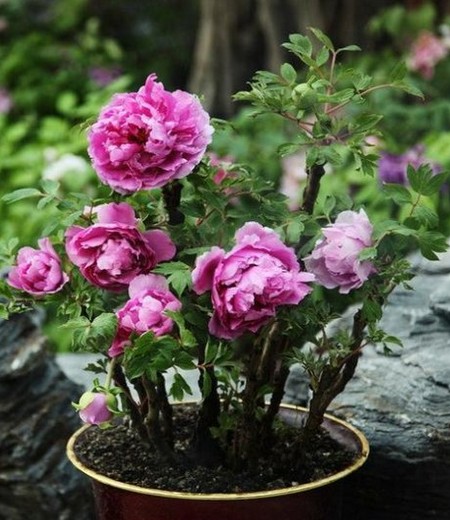
Detailed Explanation of the Making Methods and Steps of Peony Bonsai
Peony bonsai is a newly emerging flowering bonsai category. It combines the magnificent peony with the rustic and elegant art of bonsai, forming an artistic form with a unique Central Plains local style, and has been praised by experts and scholars in China's bonsai circles.
-
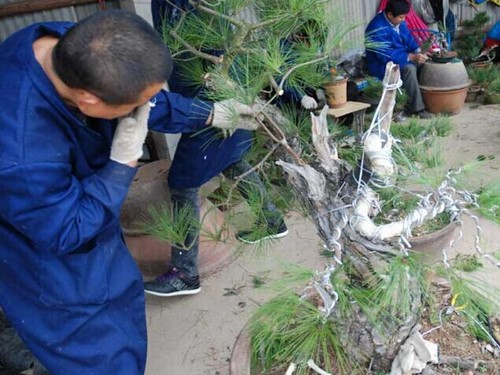
How to Make a Masson Pine Bonsai? Methods and Precautions Explained
Masson pine, also known as mountain pine, is a common tree species, but material suitable for making bonsai is relatively scarce. It is mainly used for construction, railway sleepers, mine props, board making, packing crates, furniture, and wood fiber industry (rayon pulp and papermaking) raw materials. The trunk can be tapped for pine resin, which is a raw material for medicine and chemicals. The roots are rich in resin
-
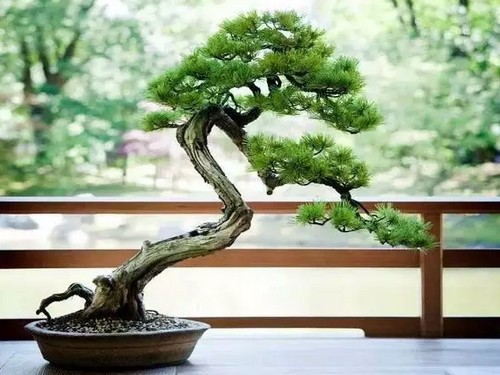
Detailed Guide to the Methods and Steps for Making Pine Bonsai
Among the arts, bonsai is one of the finest examples of Eastern art rich in natural charm, and it is also a unique traditional art of our country. Through artificial techniques, people take trees from nature through cultivation, pruning, wiring, shaping and other processing, carefully nurture them, and then combine this with our artistic methods to truly make them into elegant, extraordinary
-
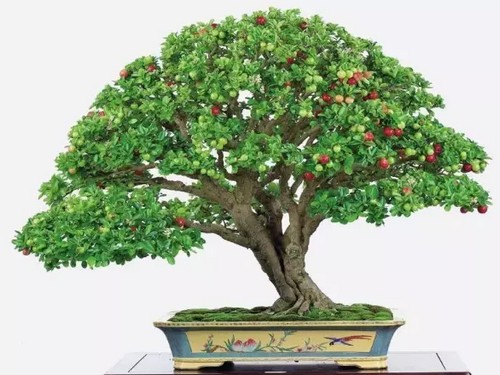
Detailed Explanation of the Methods and Steps for Making Cherry Bonsai
Potted cherry is a miniaturized cherry orchard. It allows you to enjoy the beautiful scene of branches full of flowers and abundant fruit, and also to have fine fruit to savor while enjoying the view. In recent years, along with the improvement of potting techniques, it is gradually entering the balconies and courtyards of thousands of households. Potted cherry blooms in spring, and the fruit ripens in early summer; the flowers are beautiful and the fruit is bright
-
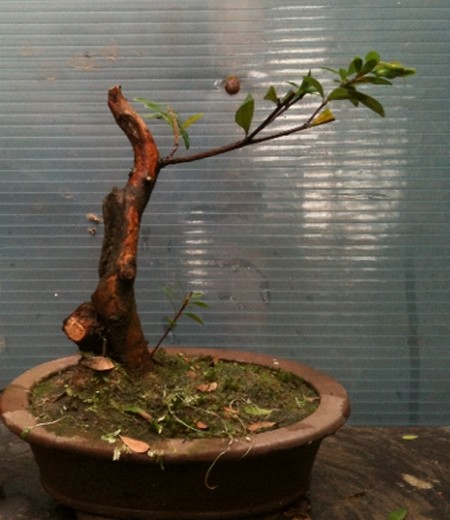
Detailed Explanation of Methods for Sourcing Material for Syzygium buxifolium Bonsai Creation
Syzygium buxifolium is a wild evergreen shrub of the mountainous regions of Jiangnan, rarely cultivated artificially. According to its ecological habits and biological characteristics, it can be propagated by sowing or cuttings. However, for making bonsai, wild plants or old stumps are mostly used. Collection from the wild: in the mountainous hills of Jiangnan
-
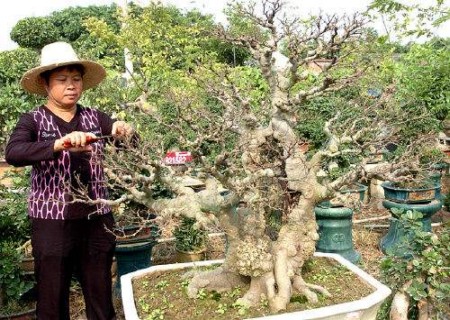
How to make a Chinese hackberry bonsai? A detailed explanation of the methods and steps
The Chinese hackberry (Celtis sinensis) has strong sprouting ability and roots easily; old stumps are mostly dug from the wild. In southern regions, harvesting is mostly chosen for February and March, when temperatures rise and humidity increases, so the dug stumps are less likely to dry out and are easier to keep alive. When digging, choose stumps that are old, have good tree form, short trunks and naturally transitioning curved trunks.
-
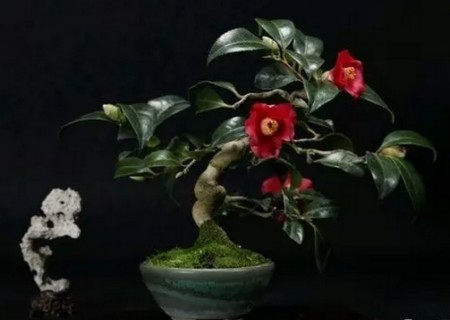
Detailed Guide to the Methods and Steps of Making Camellia sasanqua Bonsai
Camellia sasanqua is an evergreen shrub of the genus Camellia in the family Theaceae. Because its flower shape combines the characteristics of camellia and plum blossom, it is called "tea plum". Gao Lian of the Ming Dynasty once wrote a poem titled "Plum Blossom Tune: Tea Plum": "The flower is, after all, one with the plum" - with just a few strokes, he captured the spirit of the tea plum, which resembles both camellia and plum blossom.
条件筛选