-
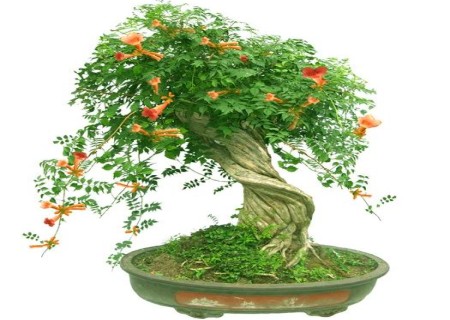
Sharing the Techniques and Methods for Making Chinese Trumpet Creeper Bonsai
Chinese trumpet creeper was recorded as early as the Spring and Autumn period in the Classic of Poetry, where people called it "lingshao"; the line "the flowers of the tiao, how luxuriant and noble they are" refers to Chinese trumpet creeper. The name "lingxiao flower" first appeared in the Tang Materia Medica, which under the entry for "Ziwei" says: "This is the lingxiao flower, and its stems and leaves are all used." The beauty of the Chinese trumpet creeper flower has won over many flower lovers
-
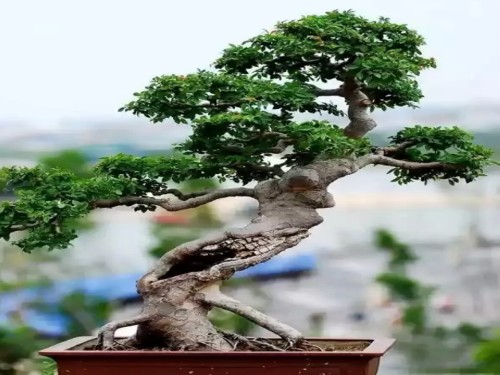
Detailed Explanation of the Techniques and Methods for Making Chinese Elm (Ulmus parvifolia) Stump Bonsai
The Chinese elm (Ulmus parvifolia) has a straight trunk and a round, full crown. Its leaves are smaller than those of the common Siberian elm (Ulmus pumila) but very dense, making it excellent both as a landscape tree and as a street tree. It is just that in the past people did not know it well enough and only regarded it as bonsai material, without paying attention to its use in landscaping. At present, Chinese elm
-
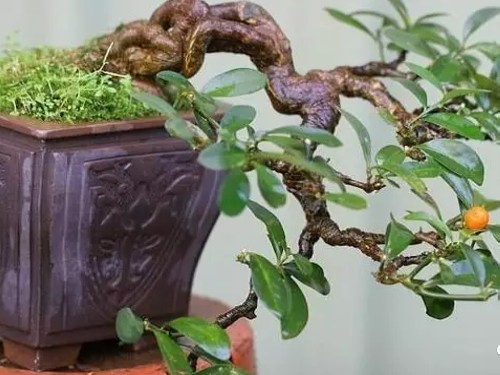
Detailed Guide to the Production Methods and Steps of the Fortunella hindsii Bonsai
Fortunella hindsii and kumquat both belong to the Rutaceae family. Fortunella hindsii is the variety that bears the smallest fruit among Rutaceae plants. It originated in the Taizhou area of Zhejiang and is a wild shrub. Fortunella hindsii is highly vigorous by nature, preferring slightly acidic soil, sunlight, and a warm, humid environment. It is easy to cultivate anywhere south of the Yangtze River. The Fortunella hindsii plant is short and small, making it suitable for bonsai.
-
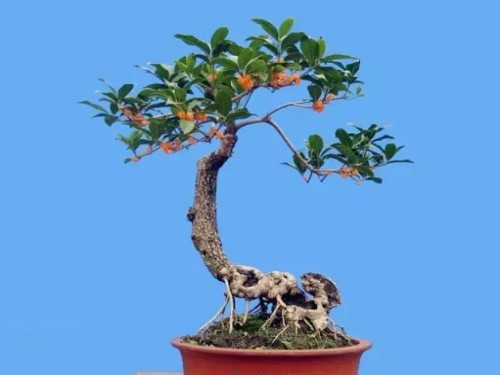
How to Make an Osmanthus Bonsai? Detailed Methods and Steps
Osmanthus has lush branches and leaves, stays evergreen all year round, with gnarled roots and elegant posture, gorgeous flowers and fruit, and rich floral fragrance. It also has biological characteristics such as strong sprouting ability, tolerance to pruning, and long lifespan, making it an excellent tree species for processing into tree bonsai. The production process of osmanthus bonsai is complicated, learning from nature, and wonderfully indescribable.
-
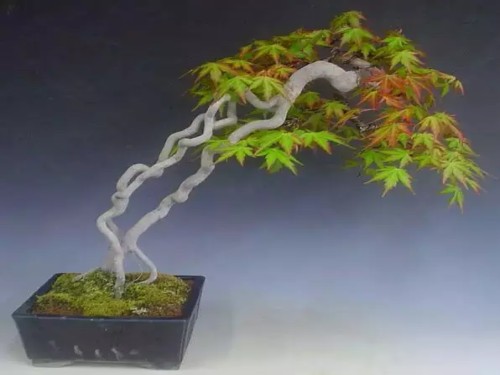
Detailed Explanation of the Correct Methods and Techniques for Exposing Roots in Bonsai
Roots are an important part of tree-stump bonsai; the distribution and shape of the roots directly affect the ornamental value of the bonsai. Through planned cultivation of the tree stump's roots, repotting, changing the soil, and changing the pot year by year, the roots are arranged during this process, the direction of root extension is controlled, and planting continues, gradually exposing the roots above the soil surface
-
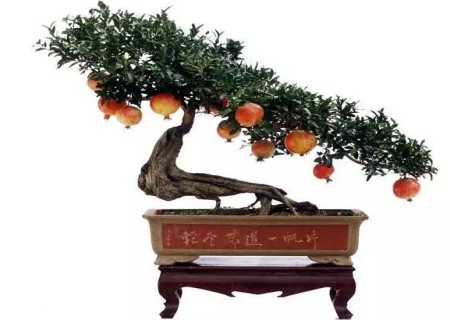
A Detailed Guide to the Techniques and Methods for Making Pomegranate Bonsai
Pomegranate bonsai has high ornamental value and broad market prospects, attracting attention with its rugged, towering form. Pomegranate bonsai can be created in ornamental forms such as fruit viewing, branch viewing, leaf viewing, and flower viewing. Its trunk is vigorous and powerful, the overall appearance is simple and dignified, and its flowers are brightly colored and its fruit is fresh and beautiful, making it deeply loved by bonsai enthusiasts. So
-
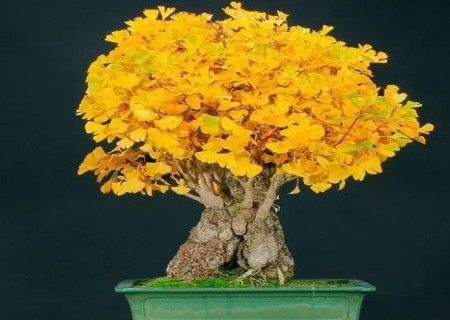
Detailed Guide to the Methods and Steps for Making a Ginkgo Bonsai
Summer has arrived, and the ginkgo shows a lush green, offering high ornamental value, so people past and present, in China and abroad, often use ginkgo in courtyards, as street trees, or in landscaping. But what the editor wants to tell you today is that ginkgo leaves can actually be made into bonsai
-
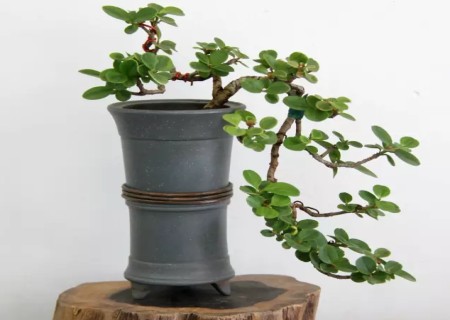
A Detailed Guide to Boxwood Bonsai Making Techniques and Methods
Boxwood, also known as Chinese boxwood or pearl boxwood, has a graceful tree form, thick and glossy leaves, and most importantly, it stays evergreen all year round and can be enjoyed throughout the year, making it a precious material for bonsai. It can be made into fine bonsai works for people to admire. If you collect old boxwood stumps from the wild to create bonsai
-
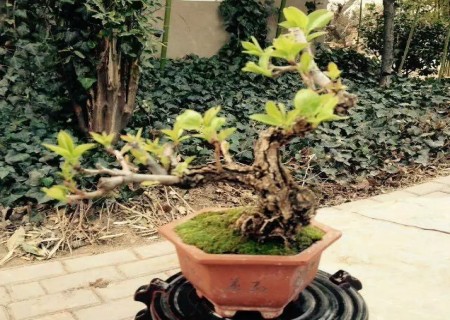
Detailed Explanation of the Making Methods and Steps of Tangli (Birchleaf Pear) Bonsai
When the green carp comes, I hear from afar the spring stream shattering sound by sound; I smell the light yellow buds first opening on the tangli I planted with my own hands. When Minor Heat quietly passes, the new pears gradually hang low, and I invite the neighbor girl from the east to gather fruit and stroll slowly home. Last year I gathered fine snow from the branch tips; today crimson pear leaves drift down, lightly kneading two or three strokes of grass color into the scroll, sipping spring wine and only then feeling its faint sweetness. Still it is the season for loving the two words "startled swan" as I drift into dreams
-
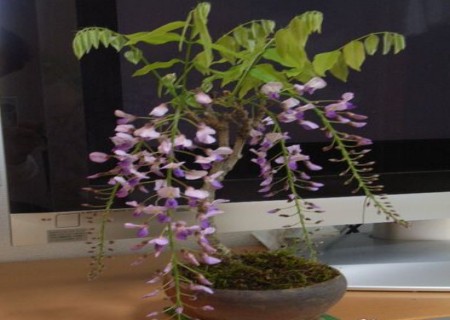
Detailed Explanation of the Methods and Steps for Making a Wisteria Bonsai
Beside an ancient wall, the wisteria brings gentleness and brightness to that sense of weathering and resilience; when wisteria covers a household's eaves, hanging down purple tassels, that home invisibly gains a touch of elegance; when wisteria forms a dense flower canopy or trellis, it creates a secluded, profound little world.
条件筛选