-
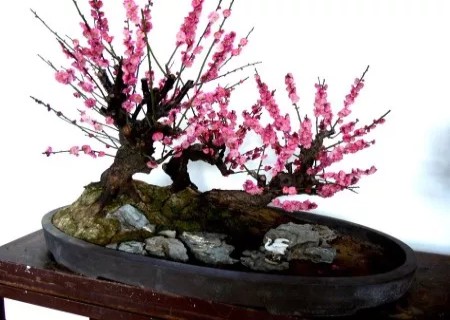
Detailed Explanation of the Methods and Steps for Making Plum Blossom Bonsai
Plum blossoms are deeply loved and favored by many friends because of their unique charm, and in home life many people often carefully craft them into plum blossom bonsai so that they can stand alone as a scenic display for viewing, while also achieving the effect of bringing plum blossoms into the home environment, and their decorative effect should not be underestimated
-
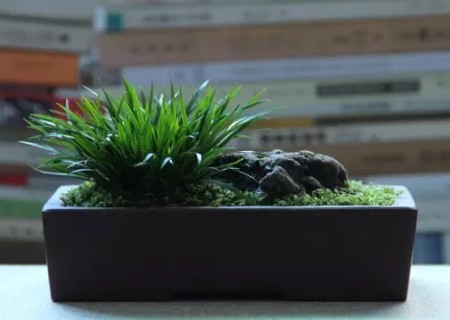
How to Arrange Stones in an Acorus Bonsai? Detailed Methods and Techniques
Acorus in the wild generally grows alongside stones, which looks very appealing. So, as a bonsai, an Acorus with arranged stones is more ornamental and more interesting than a solitary potted Acorus. Acorus itself has fine, fluffy leaves, lush and flourishing, gently verdant, while the arranged stones are jagged and craggy, with crisscrossing ravines and an ancient, rugged charm; between the two
-
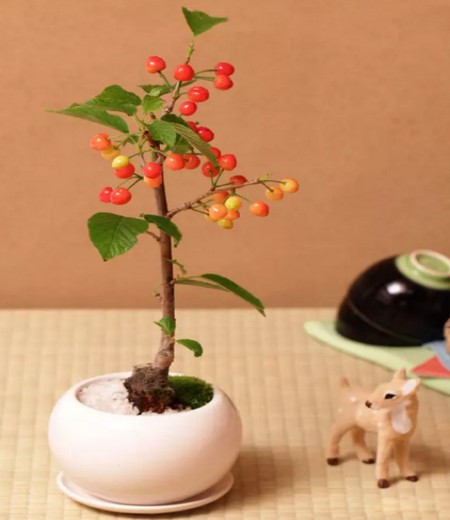
Detailed Explanation of Cherry Bonsai Planting Methods and Techniques
Cherry seedlings should be cultivated in loose, fertile, well-drained sandy loam soil. For pot cultivation, the growing medium is prepared by mixing 4 parts leaf mold, 3 parts garden soil, and 1 part each of fine coal cinder granules, sawdust, and fine sand particles. Place some decomposed organic fertilizer at the bottom of the pot as a base fertilizer. Spring is the best time for planting.
-
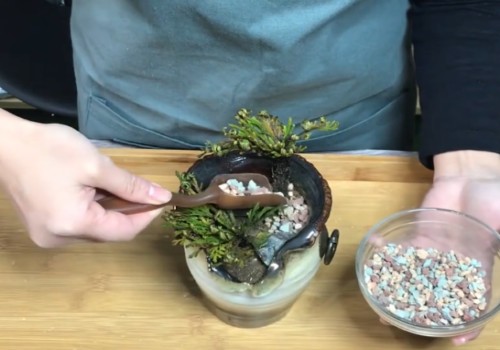
What are the methods for making a Selaginella bonsai?
Selaginella, also known as the "nine-death resurrection grass," has extremely tenacious vitality, yet its branches and leaves stay evergreen and its plant form is low-growing, making it an excellent material for making bonsai. So how do you make a Selaginella bonsai? Today, the editor will share with you the methods for making a Selaginella bonsai, and hopes it will be helpful to everyone
-
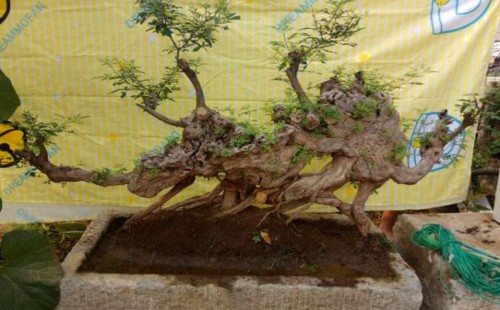
Detailed Explanation of the Production Methods and Steps of Vitex Bonsai
Vitex (Vitex negundo) has characteristics such as liking sunlight but tolerating shade, liking warmth but tolerating cold, liking moisture but not tolerating waterlogging, and liking fertile soil but tolerating poor soil. It is an evergreen tree species. It has peculiar forms, and can be appreciated both for its leaves and its shape, so it is a bonsai tree species with extremely high ornamental value. Moreover, this vitex has strong vitality
-
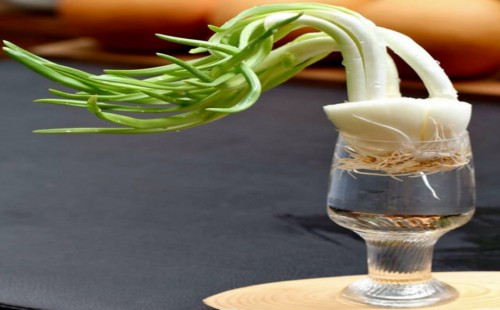
How to Make a Hydroponic Onion Bonsai: Methods and Steps
Onions have a strong, pungent smell, but the food made from them is quite tasty and delicious. At the same time, regularly eating onions can also help promote excretion, regulate blood lipids and blood pressure, and prevent thrombosis. Eating onions regularly can bring many benefits. Not only that
-
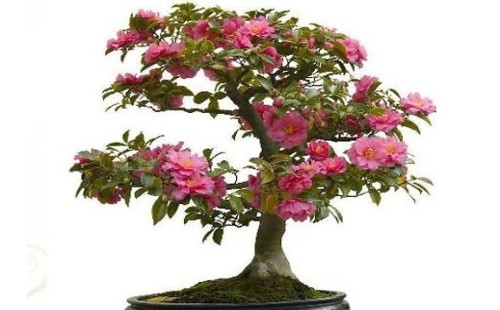
How to make a flowering almond bonsai? Detailed methods and steps
The flowering almond (Prunus triloba) is a common landscaping tree species, often serving to improve the ecology and beautify the environment. Not only that, the flowering almond can also be made into a bonsai for viewing! If you place a pot of flowering almond bonsai in your home, it can often bring a unique charm to the environment. So
-
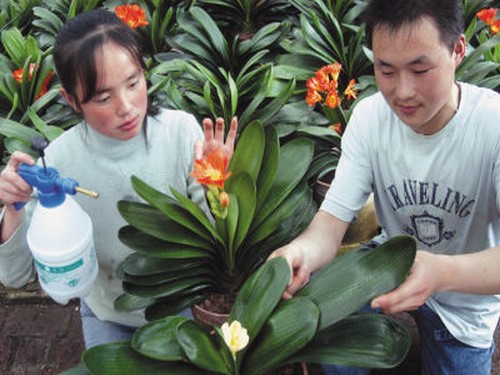
A Detailed Guide to Clivia Bonsai Cultivation Techniques and Care Methods
Many customers actually love keeping green plants at home, as they improve indoor air quality and beautify the indoor environment, but many are troubled because they do not know the correct care methods. Below is an introduction to Clivia bonsai cultivation techniques. Propagation: Clivia is mainly propagated by sowing seeds
-
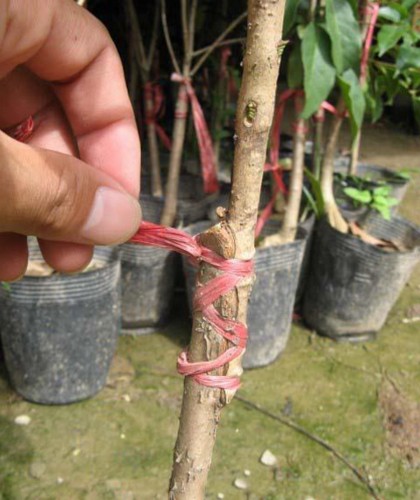
A Detailed Guide to Grafting Techniques and Methods for Potted Osmanthus
There are many methods for grafting osmanthus, among which the approach grafting method is a commonly used one, and in China potted osmanthus is mostly grafted by the approach grafting method. Its advantages are: a long suitable grafting period, easy survival, quick shaping, and early flowering. The key points of the osmanthus approach grafting technique are introduced as follows: 1. Cultivate the rootstock
-
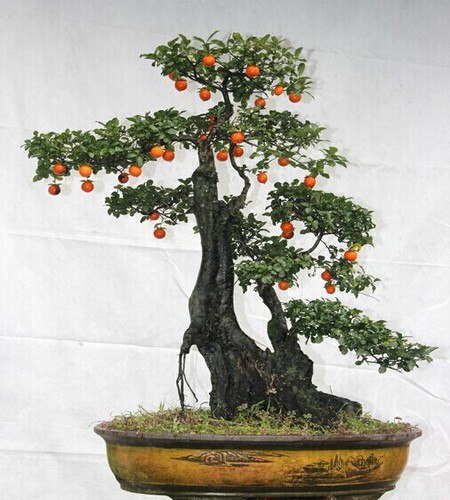
How to grow a Diospyros cathayensis bonsai so it flowers and fruits? A detailed guide to care methods
Several years ago I dug up a Diospyros cathayensis stump from the mountain that had already borne fruit, but in recent years it has not flowered or fruited. What is causing it to no longer flower and fruit? How can I encourage the Diospyros cathayensis to flower and fruit? According to experts, the fact that the Diospyros cathayensis stump I dug up had already borne fruit shows that it is undoubtedly a female plant
条件筛选