-
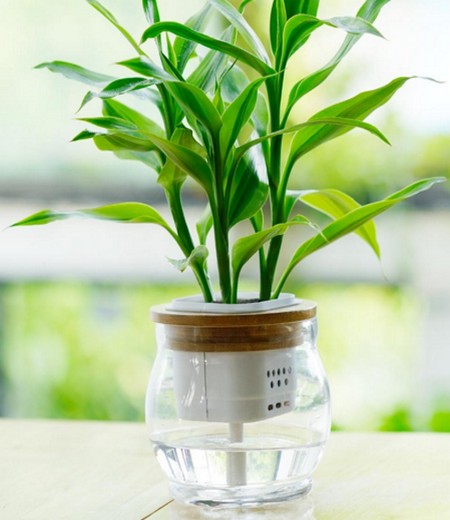
Lucky Bamboo Planting Methods and Steps Explained in Detail
If lucky bamboo is grown as a commercial ornamental, a cultivation height of 80-100 cm is appropriate. It is mostly cultivated in gardens and nurseries, prefers shade and humidity, and has thick stems and leaves. Its varieties include green leaves, green leaves with white edges (called silver edge), green leaves with yellow edges (called golden edge), and green leaves with a silver center (called silver heart). It is mainly used as a potted ornamental plant, and its stem nodes resemble bamboo but it is not bamboo.
-
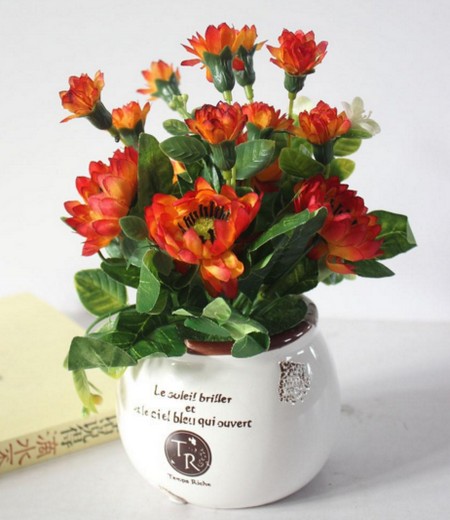
How to grow potted carnations? A detailed guide to planting methods
Carnation, also known as clove pink, is a perennial herbaceous plant of the genus Dianthus in the family Caryophyllaceae. Its flowers are delicate and fragrant, with a long blooming period, making it an important cut flower plant worldwide, widely cultivated in many countries. Today the editor recommends the following growing techniques: 1. Soil: requires well-drained, humus-rich
-
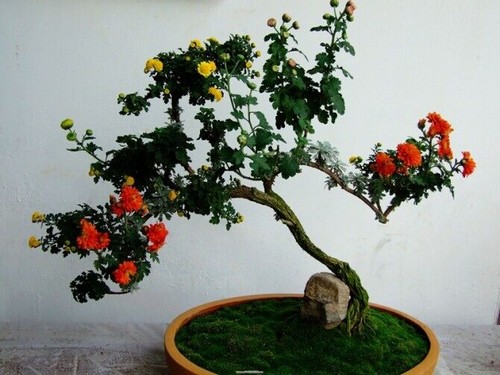
Detailed Guide to Potted Chrysanthemum Planting Techniques and Care Methods
Chrysanthemums are cultivated throughout the country, among which the famous ones include Boju from Anhui, Hangbaiju from Zhejiang, Huaijuhua from Henan, and Qijuhua from Hebei, which are important export Chinese medicinal materials, sold as far away as Hong Kong, China, Macao, China, and Taiwan, China. Chrysanthemums prefer a warm and humid climate. They are cold-resistant, and the flowers can tolerate light frost. The underground roots and rhizomes can overwinter in North China
-
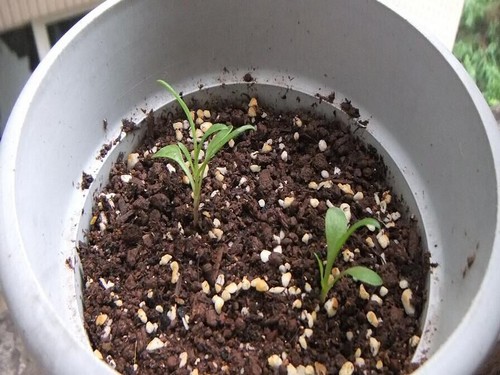
How to Grow Cornflower? A Detailed Guide to Practical Cultivation Methods
Cornflower is a herbaceous plant of the Asteraceae family, with straight stems that are entirely white, branching from the middle section, leaves growing opposite each other in a lanceolate shape, basal leaves generally pinnately lobed, stem leaves with thin spider-silk hairs, and the lower part with fine down. The top inflorescence is paniculate or corymbose, with flower colors including blue, pale red, white, pale purple, and more
-
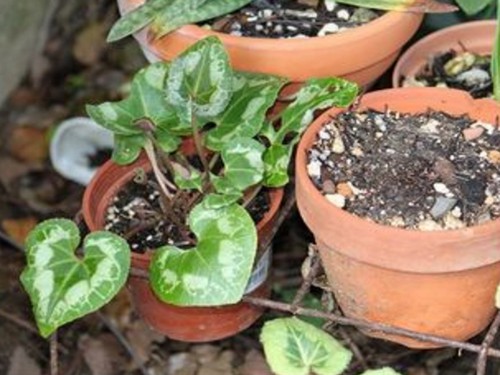
Detailed Explanation of Cyclamen Planting Techniques and Methods
Cyclamen, a perennial bulbous flower of the genus Cyclamen in the family Primulaceae, is currently mostly grown as an annual in pot flower production. Because of its wide variety of cultivars, unique flower shape, brilliant colors, and long flowering period that coincides with Christmas, New Year's Day, and Spring Festival, it is deeply loved by people and has become an enduring Spring Festival pot flower
-
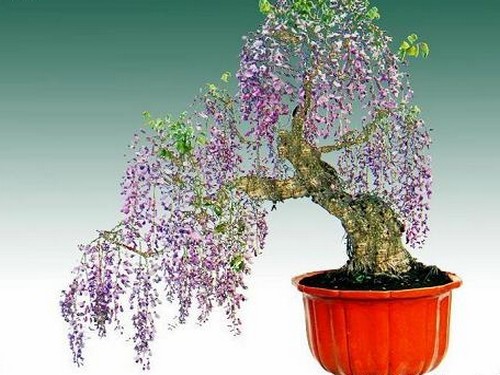
How to Grow Wisteria: A Complete Guide to Wisteria Planting Methods
Wisteria is a large woody deciduous climbing vine in the genus Wisteria of the Fabaceae family. Its stems twine, its branches and leaves are dense, and in early summer its purple flower clusters hang down, abundant and fragrant; in the height of summer its thick foliage covers the trellis, laden with seed pods. It is an excellent flowering climbing plant. It can be propagated by seed, cuttings, grafting, layering, and division.
-
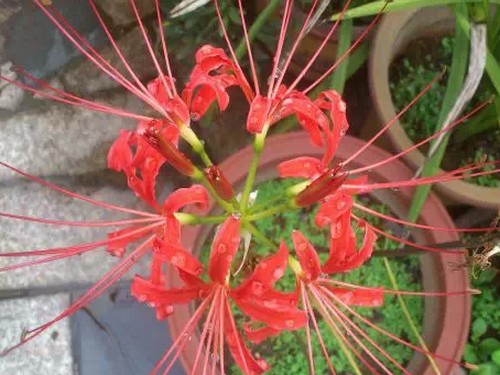
Detailed Explanation of the Planting Methods and Steps for Red Spider Lily
For a long time, Chinese decorative styles have mainly emphasized dignity and elegance, with a stress on the beauty of symmetry. In terms of color, red and black are the most prominent, and these two colors give a rich and mature feeling full of substance. Placing red spider lilies in the home creates a distinctive charm.
-
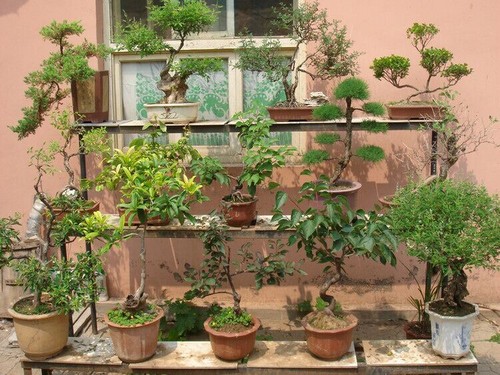
How to grow Chinese trumpet creeper in pots? Planting methods and points to note
Chinese trumpet creeper (Campsis grandiflora) is one of the famous garden flowers. Its flowers are funnel-shaped, bright red or golden yellow, and vividly colored. When in bloom, the branch tips continue to spread and grow, and the new shoots bloom in succession, so the flowering period is relatively long. Chinese trumpet creeper is a vine, fond of climbing, and an excellent plant for greening courtyards; with thin bamboo supports it can be trained into various patterns.
-
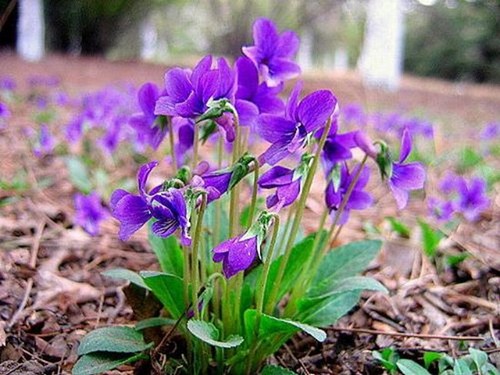
Detailed Guide to Planting Techniques and Management Methods for Viola mandshurica (Chinese violet)
After autumn, the stems and leaves of Viola mandshurica remain as green as ever, with small needle-like fruits beside the flowers, and the above-ground parts do not wither until early winter. Therefore, it is an excellent ground cover plant, and can also be planted in gardens to decorate flower borders or nestle into lawns. Viola mandshurica is a common ground cover plant, a perennial herb with a plant height of 10-15 cm. Because its flowers are purple
-
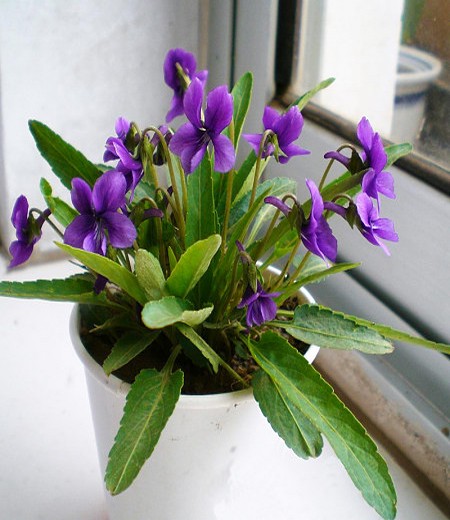
What are the cultivation methods for growing Viola mandshurica (purple-flowered violet) at home?
In spring, there is an inconspicuous little flower on the ground called Viola mandshurica. It is not particular about soil, is extremely adaptable, and easy to propagate. Although it is not as prestigious as the rose, Viola mandshurica has great value. Viola mandshurica blooms early and in a concentrated period; the plant is low-growing, grows neatly, and the clumps are compact.
条件筛选