-
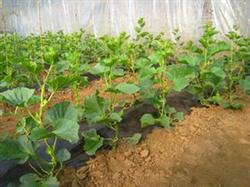
Control Methods for Major Diseases and Pests of Melons
Melon, also known as oriental melon, is one of the high-grade fruits that people love. It belongs to the Cucurbitaceae family, Cucumis genus, melon species, and is an annual herbaceous plant. I. Variety Types and Selection of Improved Varieties Melons are generally divided into two types: thin-skinned melons and thick-skinned melons. Thin-skinned melons, also known as Chinese melons, have thin skin, crisp flesh, and small fruits with a single fruit...
-
Detailed Guide to Seed Treatment Methods Before Sowing Melons
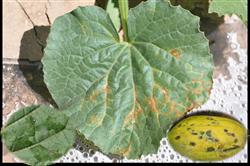
■Symptoms: The symptoms of bacterial fruit blotch on the leaves of common melons and Hami melons are similar to those of angular leaf spot of cucumber on cucumber leaves, but this disease infects the leaf veins and spreads along them. Leaf spots are round to polygonal, with the edges initially V-shaped and water-soaked, later becoming thin in the middle, and the spots dry up. The underside of the spots...
-
What to Do About Split Melons? A Full Guide to Prevention and Control Methods
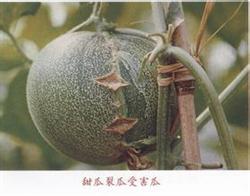
1. Scientific fertilization. According to the fertilizer and water requirements of melons during their growth period, supply fertilizer and water in a balanced way, and do not blindly water and fertilize. When fertilizing, not only should sufficient base fertilizer be applied to meet the needs of the melon's early growth, but also timely topdressing should be done in the later stage of melon growth to meet the fertilizer requirements of the melon's later growth. 2. ...
-
How to prevent muskmelon fruit cracking? Mastering these methods is key
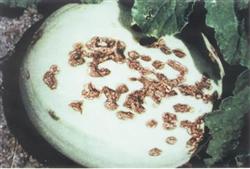
The pathogenic bacteria of bacterial fruit blotch of muskmelon overwinter in seeds and on the soil surface, and can spread through wind and rain, insects, and farming operations, infecting through wounds and stomata. After contaminated seeds germinate, the pathogen invades from the cotyledons, causing disease in the seedlings. At the same time, the pathogenic bacteria can also infect crops such as zucchini, pumpkin, watermelon, and cucumber. Greenhouse...
-
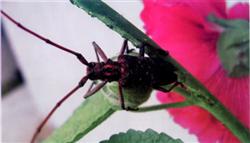
Control Methods and Key Technical Points for the Mango Stem Borer
The mango stem borer belongs to the order Coleoptera, family Cerambycidae, and occurs in mango-producing areas throughout southern China. Its larvae bore into and feed on branches and trunks, weakening the affected plants; in severe cases, the plants can die, and infested branches are easily broken by wind. The pest has 1 generation per year, overwintering mainly as larvae, while a small number of pupae or adults can also overwinter inside the bore holes. The following year...
-
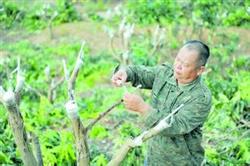
Detailed Explanation of Mango Top-Grafting and Re-Varietying Methods and Technical Points
I. Pre-Grafting Preparation Before re-varietying, strengthen fertilizer and water management for the trees to be re-varietyed. Prune the above-ground part appropriately, removing diseased branches, dead branches, shaded branches, overly dense branches, and crossing branches; for large perennial trees, saw off the main and side branches in spring or autumn at 1.2-1.5 m above the ground (saw in spring and graft in autumn, or saw in autumn and graft the following spring)...
-
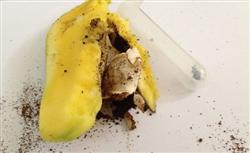
How to prevent early flowering in mango? These methods are worth mastering
1. The mango leaf-cutting weevil is widely distributed. Adult beetles feed on young mango leaves, causing the leaves to dry up; or the female beetles lay eggs on the young leaves and bite the young leaves off at the base, affecting plant growth. Control methods: ① During the growth period of young shoots, pick up the bitten-off fallen leaves from affected plants once every 3 days, dry them in the sun and burn them to kill the larvae;...
-
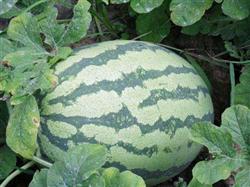
What are the control methods for stiff fruit in spring watermelons?
The causes of stiff fruit fall into the following categories: 1. Dry soil and insufficient fertilizer and water: if fertilizer and water are insufficient during the fruit enlargement period, stiff fruit is easily formed. Therefore, the melon field should be irrigated, with the amount of water increasing from small to large, and the water should not cover the bed surface. The water should not remain in the field for too long, and irrigation should be done in the evening or at night to avoid burning the roots at high temperatures...
-
What are the control methods for watermelon fruit hardening in spring
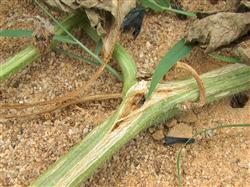
In recent years, protected cultivation of watermelon has developed rapidly in the Jiangsu area. Due to the many rainy days during the growing period, favorable conditions have been provided for the occurrence of watermelon gummy stem blight, and the disease has worsened year by year. Watermelon gummy stem blight mainly damages the stems and vines, and also damages leaves and fruits. When the vines are affected, the disease mostly occurs at the stem nodes near the ground, first appearing as dark green...
-
Control Methods for Sunscald in Spring Watermelons
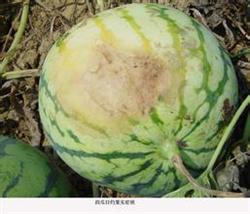
Symptoms: Watermelon fruits exposed to the blazing sun have a very high surface temperature, and the fruit tissue is scorched and necrotic, forming a dry scar. Causes: Sunscald is related to variety; varieties with dark rind color are prone to it. Secondly, in hilly areas the soil is relatively poor, plant vegetative growth is weak, there are few vines and leaves, and it occurs more often when the fruit is exposed...
条件筛选