-
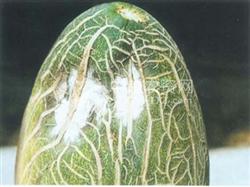
Symptoms and Control Methods of Fusarium Fruit Rot in Hami Melon
Fusarium fruit rot of Hami melon, also known as white mold disease, is an important disease on Hami melon, mostly occurring during storage and transportation, and Hami melon and honeydew melon are susceptible. The symptoms mainly affect the fruit. Initially, circular slightly sunken light brown lesions appear at the fruit stalk, 10-30mm in size, then the surrounding area becomes water-soaked, and some diseased parts crack slightly, with...
-
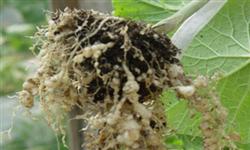
Symptoms and Control Methods of Root-Knot Nematode Disease in Hami Melon
Root-knot nematode disease is an important disease of Hami melon, occurring and distributed in some areas. It can develop both in protected cultivation and in open fields, with more severe incidence in autumn. Infection at the seedling stage has a great impact on production, and after onset the diseased plant rate often reaches more than 60%, significantly affecting Hami melon production. The symptoms mainly damage the root system, producing on the main root and lateral roots...
-
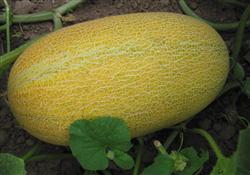
Main Disease Control Methods and Technical Key Points for Hami Melon
**The main diseases of Hami melon are Phytophthora rot and downy mildew, and powdery mildew. Bacterial leaf spot, gummy stem blight, viral disease and broomrape. The main control measures and pesticides are as follows: 1. Phytophthora rot (dead vines, wilt, rotten melons) (1) Select disease-resistant varieties (2) Use a middle furrow (15-20cm) with high beds (0....
-
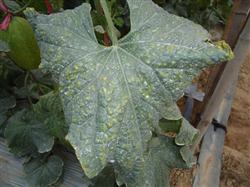
How to treat bacterial leaf spot in Hami melon? Detailed guide to chemical control methods
Bacterial leaf spot is a major disease of Hami melon. It can occur in both protected and open-field cultivation. In severely affected fields or greenhouses, the diseased plant rate can reach over 80%, and severely diseased plants die from the disease, significantly affecting production. The symptoms mainly affect the leaves, and in severe cases also infect the stems, vines and fruit. When leaves are infected, initially dark green oil-soaked small spots appear, with...
-
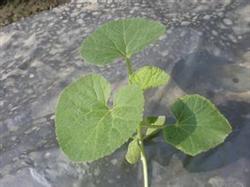
How to grow cantaloupe with soilless cultivation? Detailed explanation of methods and technical key points
In recent years, the area of off-season cultivation of cantaloupe using economical greenhouses in Hainan has gradually expanded. Compared with open-field cultivation, it is a high-input, high-output cash crop. Cantaloupe seeds are expensive, and seedling-stage diseases are relatively serious. The causes of cantaloupe seedling death are described separately below, and control methods are proposed....
-
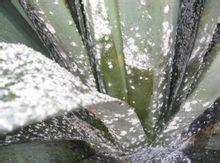
Identification and Control Methods for Pineapple Mealybugs
Pineapple mealybugs belong to the order Homoptera, family Pseudococcidae. Dysmicoccus brevipes is the most commonly seen species. The damage symptoms are caused by adults and nymphs feeding on the sap of pineapple rhizomes, leaves, fruits and seedlings. Affected leaves first show symptoms starting from the lower part, gradually fading upward to yellow and finally turning red-purple; in severe cases all leaves soften and droop...
-
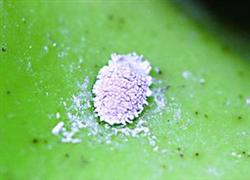
How to control pineapple mealybug? Detailed control methods
The pineapple mealybug, scientific name Dysmicoccus brevipes (Cockerell), belongs to the order Homoptera, family Pseudococcidae. Dysmicoccus brevipes is the most commonly seen species. Damage symptoms: adults and nymphs damage pineapple rhizomes, leaves, fruits and seedlings by sucking their sap. On affected leaves, symptoms first appear on the lower leaves, gradually fading upward to yellow and finally...
-
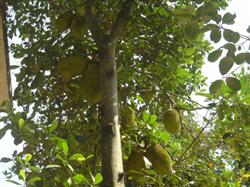
Methods and Technical Key Points for Pest and Disease Control in Jackfruit
In hot and humid regions, pests and diseases of jackfruit can sometimes be quite serious, but current research and control measures are limited. The main ones include longhorn beetles, stink bugs, aphids, scarab beetles, cottony cushion scale, as well as leaf spot disease, sooty mold, and soft rot of flowers and fruits. Longhorn beetles are the most widespread and serious, damaging branches and trunks, causing gummosis, branch dieback, tree decline, and hollow or even rotting and death of the trunk...
-
Occurrence and Control Methods of Jackfruit Stem-End Rot and Fruit Rot
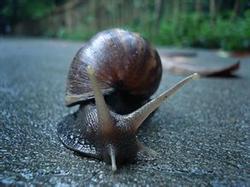
The African giant snail, also known as the French snail, is a pest that harms pineapple. It mainly bites the base of the fruit from June to August when the fruit is ripe, leaving holes of varying depths, which makes the pineapple prone to infection by pathogens and rot, thereby reducing the commercial value of the fruit and even making it inedible. Control methods: (1) Manual capture. In the African giant snail...
-
What are the seed treatment methods for cherry tomatoes?
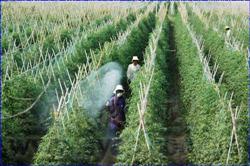
1. Aphids. Aphids, also known as greenflies and honeydew aphids, are found all over the country. They gather in groups on the undersides of cherry tomato leaves and the tender stem tips and heart leaves, piercing and sucking sap while secreting honeydew, which affects photosynthesis, causing severe 4, nutritional deficiency, leaf curling and yellowing, making normal growth difficult. In addition, aphids can also...
条件筛选